Why Does My Face Get Tanned Even After Applying Sunscreen?
You apply sunscreen before leaving home, carry it in your bag and try to follow your skincare routine. Yet after a few weeks of travelling to work, spending time outdoors or running errands, you notice that your face looks darker than before.
If this sounds familiar, you may be wondering: why does my face get tanned even after applying sunscreen?
You are not alone. Facial tanning despite sunscreen use is a common concern, especially for people who commute outdoors, spend time in hot weather or live in areas with substantial year-round sunlight.
The answer is not necessarily that your sunscreen is ineffective. The amount you apply, when you apply it, how often you reapply it, the protection it offers and the amount of time you spend outdoors can all influence the results.
Sunscreen reduces UV exposure, but it does not block every ray of sunlight. Even correctly used sunscreen cannot guarantee that tanning will never occur.
In this guide, we will explore the most common reasons your face may still tan, practical ways to improve sun protection, and how to build a daily skincare routine suited to Indian conditions.
Why Does Your Face Get Tanned Even After Applying Sunscreen?
Several factors may contribute to tanning despite sunscreen use. Often, more than one factor is involved.
1. You may not be applying enough sunscreen
One of the most common problems is applying too little product.
Many people spread a small amount of sunscreen across the face because they dislike a heavy or sticky feeling. However, sunscreen is tested at a specified application amount. Using less than the tested amount can significantly reduce the protection you actually receive.
A sunscreen labelled SPF 50 will not necessarily provide SPF 50 protection if you apply only a small fraction of the recommended amount.
What to do: Follow the manufacturer’s application instructions and use enough product to cover all exposed skin evenly. Do not forget the ears, hairline, sides of the face and neck.
If a sunscreen feels uncomfortable, consider trying a different formulation rather than consistently applying too little.
2. Your sunscreen may not provide adequate UVA protection
Sunlight contains different types of ultraviolet radiation. UVA and UVB both matter for skin protection, although they have different effects.
- UVA: Contributes to tanning, photoageing and other forms of skin damage.
- UVB: Is strongly associated with sunburn and also contributes to skin damage.
SPF primarily indicates protection against sunburn-related UV effects under standardised testing conditions. To help protect against tanning and other UVA-related effects, choose a sunscreen labelled broad-spectrum.
Depending on the product and market, you may also see a PA rating. A higher PA rating indicates greater UVA protection under the relevant testing system.
What to do: Look for a broad-spectrum sunscreen with SPF 30 or higher. If the product displays a PA rating, consider one with a high UVA protection rating, such as PA++++, where available.
Remember that no sunscreen provides complete protection from UV radiation.

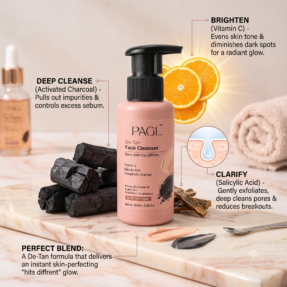
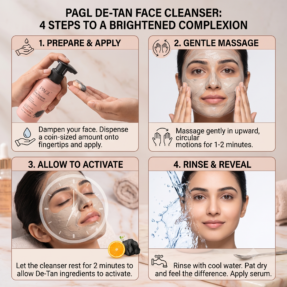
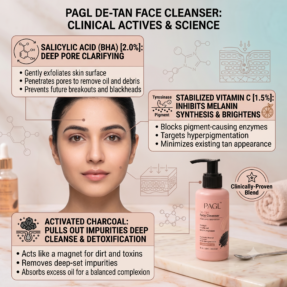
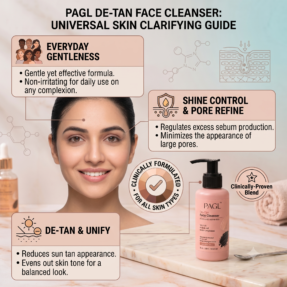
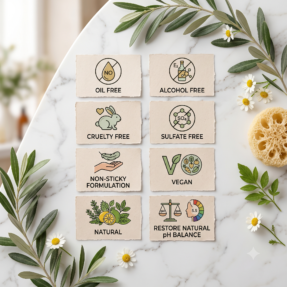

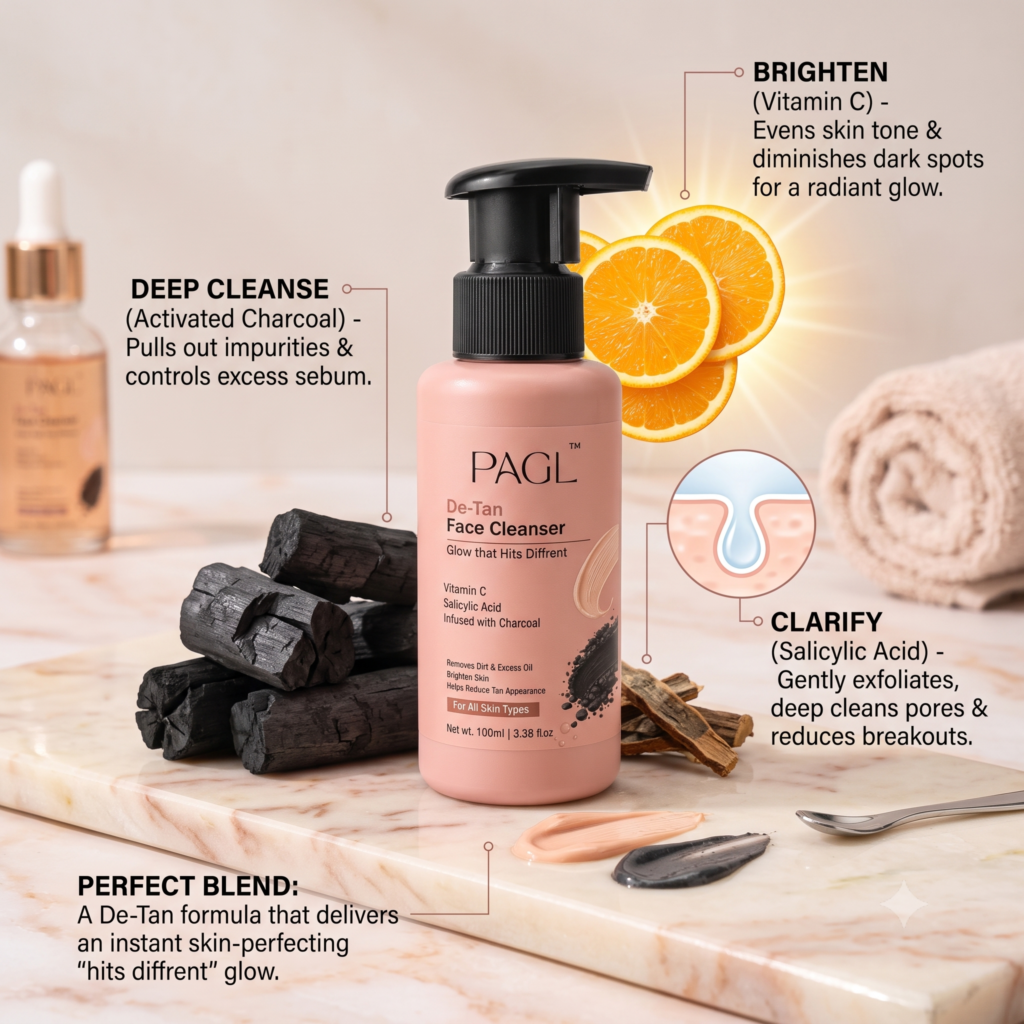
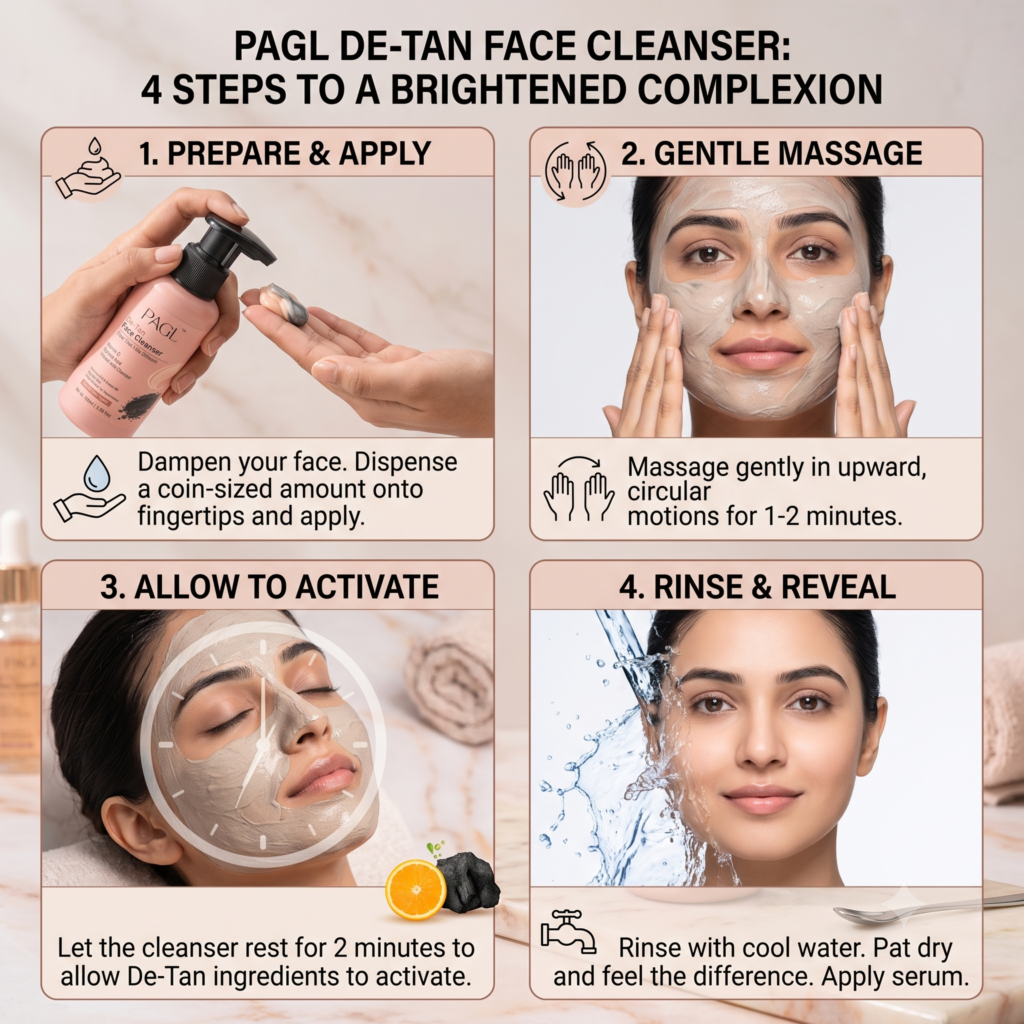
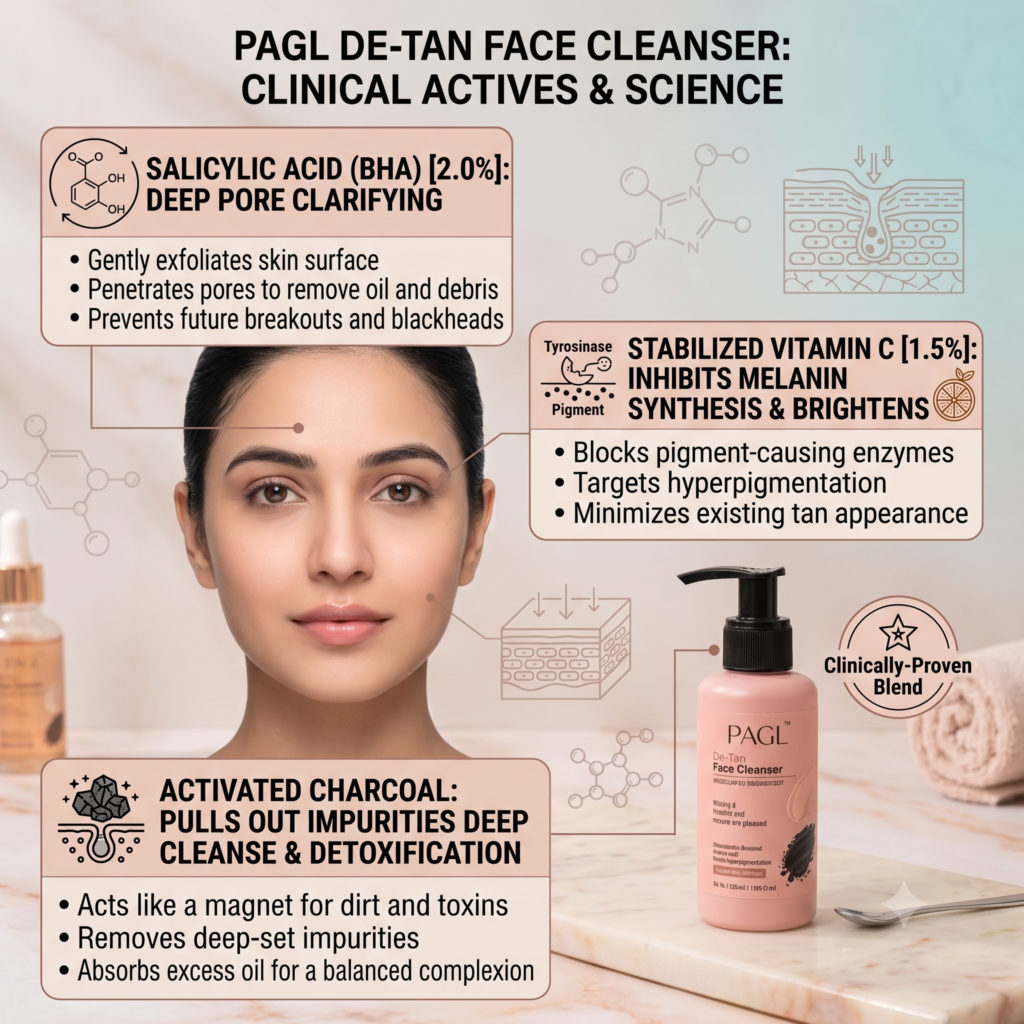
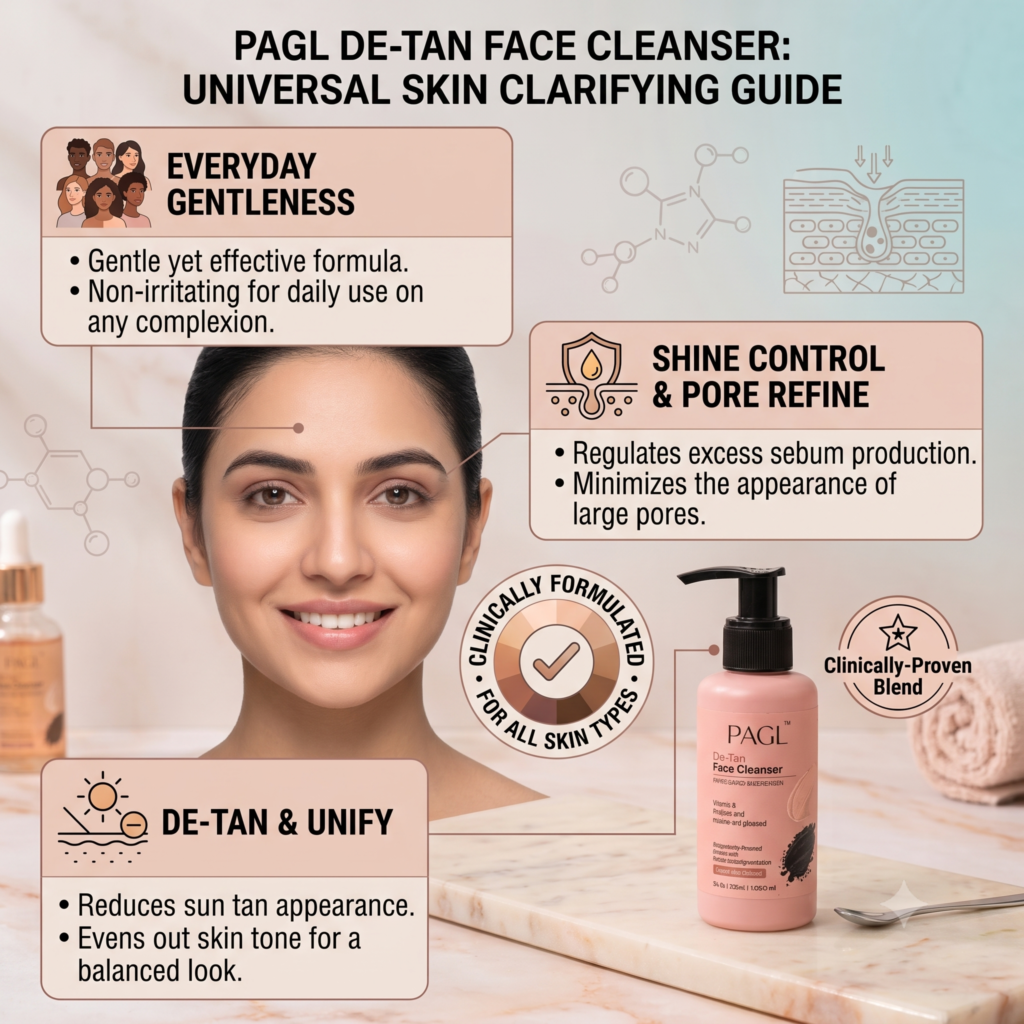
De-Tan Face Cleanser with Vitamin C, Salicylic Acid & Charcoal
De-Tan Face Cleanser helps restore your skin’s natural radiance with every wash. The advanced formula works to brighten skin, improve texture, and leave your face feeling fresh, clean, and revitalized.
3. You are not reapplying sunscreen often enough
Applying sunscreen in the morning may not be sufficient if you spend hours outdoors.
Sweating, swimming, wiping your face and prolonged outdoor exposure can reduce the protection remaining on your skin.
For example, sunscreen applied before leaving home may no longer provide the same practical protection after a long commute, an outdoor lunch and several hours of activities.
What to do: When outdoors for prolonged periods, reapply approximately every two hours and after swimming or heavy sweating, following the product directions.
If you work in an office, your needs may differ from those of someone working outdoors all day. Consider your actual exposure, time outside and the product’s instructions.
4. You are exposed to sunlight for long periods
Even when sunscreen is applied correctly, spending many hours outdoors increases cumulative UV exposure.
A daily commute, outdoor meetings, weekend shopping, sports and travel can all contribute to exposure.
Sunscreen is one component of sun protection, not a licence to remain in strong sunlight indefinitely.
What to do: Combine sunscreen with shade, protective clothing, sunglasses and a wide-brimmed hat. When possible, limit prolonged exposure during periods of strong sunlight.
These measures are especially useful if you regularly travel by two-wheeler or walk outdoors in Indian weather.
5. You miss areas of your face
It is easy to apply sunscreen to the centre of the face while overlooking the hairline, ears, jawline, sides of the nose or neck.
These areas may then receive less protection.
What to do: Apply sunscreen evenly to every exposed area. Pay attention to the hairline, ears and neck, and reapply to exposed skin as directed.
If you use makeup, plan how you will reapply sunscreen without leaving areas unprotected.
6. You apply sunscreen immediately before going outside
Sunscreen products have different directions for application. Many recommend applying them before sun exposure rather than waiting until you are already outdoors.
If you apply sunscreen at the last moment and leave immediately, you may not be following the product’s recommended timing.
What to do: Read the label and follow its instructions. Build sunscreen into your morning routine so that you are not rushing to apply it at the door.
7. Your sunscreen may not suit your daily routine
A sunscreen that feels greasy, stings your eyes or leaves a heavy residue can be difficult to use consistently.
You may apply less than you need, skip reapplication or stop using it altogether.
The best sunscreen for everyday use is one that offers appropriate protection and that you can apply adequately and consistently.
What to do: Explore formulations designed for your preferences and skin type. If your skin is sensitive, consider fragrance-free options and patch-test new products according to their directions.
8. The darkening may not be ordinary tanning
Not every dark patch is caused by a sun tan.
Other possibilities include:
- Melasma: Often appears as brown or grey-brown patches, particularly on the cheeks, forehead or upper lip.
- Post-inflammatory hyperpigmentation: Dark marks that develop after acne, irritation or another inflammatory skin condition.
- Uneven pigmentation: May have several causes and can require a different approach from ordinary tanning.
Some pigmentation conditions may be influenced by visible light as well as UV exposure. For certain people with pigmentation concerns, a dermatologist may recommend a tinted sunscreen containing iron oxides.
What to do: If dark patches persist, worsen or repeatedly return despite consistent sun protection, consult a dermatologist rather than simply increasing the strength of your skincare products.
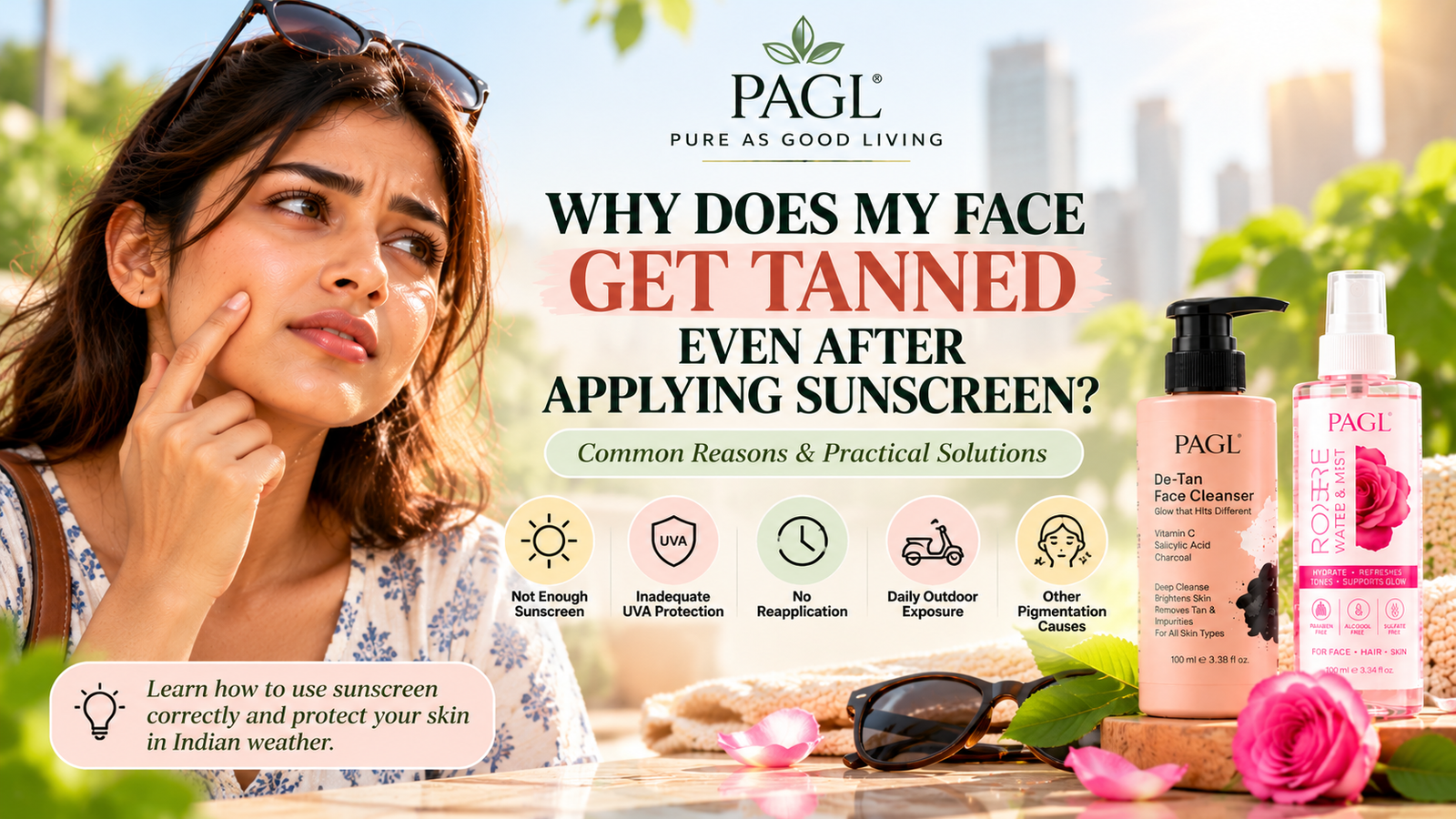
How to Choose Sunscreen to Help Prevent Facial Tanning
Choosing a suitable sunscreen is an important part of managing tanning.
Look for broad-spectrum protection
Choose a sunscreen labelled broad-spectrum with SPF 30 or higher. Broad-spectrum products are designed to protect against both UVA and UVB radiation.
If you are concerned about pigmentation, consider the product’s UVA protection rating as well as its SPF.
Choose a comfortable formulation
Different formulations may suit different people.
- Oily skin: You may prefer a lightweight, non-greasy formulation.
- Dry skin: A more moisturising sunscreen may feel more comfortable.
- Sensitive skin: Consider a fragrance-free product and check the ingredients.
- Outdoor activities: Look for water-resistant sunscreen when appropriate, and follow its reapplication instructions.
These are general guidelines, not strict rules. Your skin’s tolerance and the product’s tested protection matter more than marketing terms alone.
Check the expiry date and storage instructions
An expired sunscreen or a product stored outside its recommended conditions may not perform as expected.
Check the expiry date, follow the storage instructions and replace products that have expired or changed noticeably in texture, colour or smell.
Do not rely on SPF alone
SPF is important, but your application amount, UVA protection, reapplication and overall sun exposure also matter.
A high SPF does not eliminate the need for other sun-protection measures.
How to Apply Sunscreen Correctly Every Day
A consistent application routine can help you get closer to the protection indicated on the product label.
Step 1: Start with clean skin
Cleanse your face gently and apply any skincare products you normally use.
If you are looking for an everyday cleanser, you can explore the PAGL De-Tan Face Cleanser with Vitamin C, Salicylic Acid and Charcoal.
Follow the product directions and consider your skin’s tolerance. The cleanser is intended for cleansing and should not be expected to replace sunscreen or prevent tanning on its own.
Step 2: Moisturise if needed
Apply a suitable moisturiser if your skin needs it. Allow your products to settle according to their directions.
Step 3: Apply sunscreen generously and evenly
Cover all exposed areas, including your face, ears and neck. Follow the quantity and application instructions on the sunscreen label.
Do not mix sunscreen with moisturiser or other products in your hand to make it feel lighter unless the manufacturer specifically instructs you to do so. Mixing products may interfere with the intended application and coverage.
Step 4: Follow the recommended timing
Apply sunscreen according to its label before going outdoors. Do not wait until your skin already feels hot or appears darker.
Step 5: Reapply when necessary
Reapply approximately every two hours during prolonged outdoor exposure and after swimming or heavy sweating, following the product directions.
If you wipe your face frequently, consider whether sunscreen needs to be reapplied.
Step 6: Add physical protection
Wear a hat, seek shade and use protective clothing where practical. These measures help reduce exposure that sunscreen alone may not fully prevent.

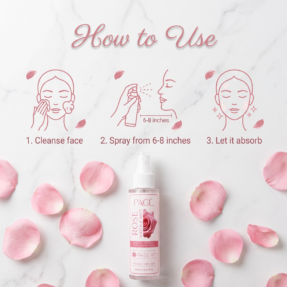
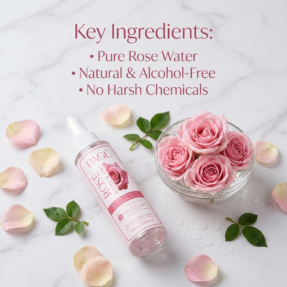
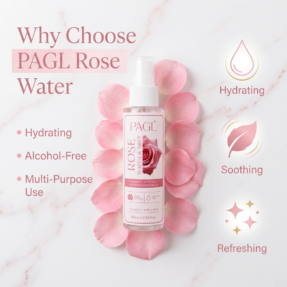
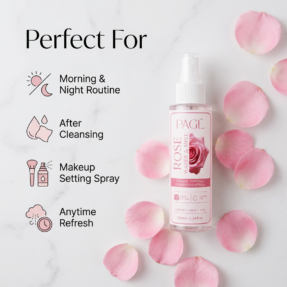


Rose Water Face Mist Spray | Natural Toner for Face, Skin & Hair | Hydrating, Refreshing & Alcohol-Free
Refresh and hydrate your skin with every spray. Alcohol-free rose water for a naturally radiant glow.
Instantly soothe, tone, and revitalize your skin with pure rose water. Perfect for everyday hydration.
Does Your Skincare Routine Affect Tanning?
Your skincare routine can influence how comfortable your skin feels and how well you maintain sun protection.
However, a cleanser, toner or face mist should not be treated as a substitute for sunscreen.
Cleanse without over-washing
Cleansing removes daily impurities, sweat and excess oil. Repeatedly washing your face will not remove a genuine tan and may irritate your skin.
If you use the PAGL De-Tan Face Cleanser, follow its directions and avoid excessive use.
Use a face mist only if you enjoy it
A face mist can be an optional refreshing step. It does not prevent tanning unless a product is specifically formulated, tested and labelled for sun protection.
You can explore the PAGL Rose Water Face Mist if you want to include a refreshing mist in your routine.
Check the ingredient list and discontinue use if irritation develops. A face mist does not replace sunscreen or a moisturiser.
Avoid harsh brightening treatments
Using several exfoliating acids, scrubs or unfamiliar brightening products together may irritate your skin. Irritation can contribute to additional dark marks in some people.
If you want to address persistent pigmentation, seek advice about appropriate treatments rather than trying to force rapid changes in skin colour.
A Practical Daily Sun-Protection Routine for Indian Weather
The following routine can help you maintain a consistent approach to skincare and sun protection.
Morning
- Cleanse with a suitable face wash.
- Apply a moisturiser if needed.
- Apply broad-spectrum SPF 30 or higher according to the product directions.
- Wear a hat or protective clothing if you will be outdoors.
During your commute
If you travel by bike or scooter, remember that sunscreen should cover exposed areas of the face and neck. Sunglasses and suitable protective clothing can provide additional protection.
Keep sunscreen available so that you can reapply it when needed.
During the workday
If you spend time outdoors during breaks or meetings, consider your total exposure and reapply sunscreen according to the label.
Office workers who spend most of the day away from windows may have different exposure patterns from people who work outside. Adapt your routine to your actual circumstances.
Evening
Cleanse gently to remove sunscreen, sweat and daily residue. Apply a moisturiser if needed.
If you use a face mist such as the PAGL Rose Water Face Mist, treat it as an optional skincare step, not as a tanning treatment.
Weekly habits
Check whether your sunscreen is still within its expiry date and stored correctly. Review whether your current product feels comfortable enough for regular use.
If you are experiencing persistent pigmentation, track changes without relying solely on daily mirror checks or photographs taken in different lighting.
How Long Does It Take for Tanning to Fade?
The timeline depends on the cause and extent of the pigmentation, continued UV exposure and your skin’s response.
Some tanning gradually fades over several weeks. Other pigmentation conditions can persist longer.
If you continue to receive substantial UV exposure, your skin may darken again. This is why improving sun protection is important even if you already have a tan.
Do not expect sunscreen to remove an existing tan immediately. Its main role is to help prevent further UV damage while your skin recovers.
If pigmentation persists or appears in distinct patches, a dermatologist can help determine whether you are dealing with tanning, melasma or another condition.
Common Sunscreen Mistakes to Avoid
Before changing your skincare products, check whether any of these habits apply to you.
Applying too little
Using less sunscreen than recommended can reduce the protection you receive.
Forgetting to reapply
One morning application may not be sufficient during prolonged outdoor exposure.
Choosing SPF without checking UVA protection
SPF is important, but broad-spectrum protection matters when considering both UVA and UVB.
Missing exposed areas
The ears, hairline, jawline and neck are easy to overlook.
Treating sunscreen as complete protection
Shade, protective clothing and limiting prolonged exposure are still important.
Using sunscreen past its expiry date
Check the expiry date and follow the manufacturer’s storage instructions.
Expecting a cleanser to prevent tanning
A cleanser removes surface impurities. It does not replace sunscreen.
Ignoring persistent dark patches
If pigmentation continues despite improved sun protection, the cause may need professional assessment.
Frequently Asked Questions
1. Why does my face get tanned even after applying sunscreen?
Tanning may occur if you apply too little sunscreen, miss areas, do not reapply during prolonged exposure or use a product without adequate UVA protection. Some darkening may also be caused by pigmentation conditions other than ordinary tanning.
2. Which SPF is best to help prevent face tanning?
Choose a broad-spectrum sunscreen with SPF 30 or higher. Consider the UVA protection rating, your skin’s tolerance and the conditions in which you will use it.
3. Should I reapply sunscreen if I work indoors?
Your needs depend on your exposure. Reapply according to the product directions when you spend prolonged periods outdoors, sweat heavily or swim. People who spend time near sunny windows may also need to consider their exposure.
4. Can sunscreen remove an existing tan?
Sunscreen does not instantly remove an existing tan. It helps reduce further UV exposure while the tan may gradually fade.
5. Does a de-tan face wash prevent tanning?
A de-tan cleanser may be part of an everyday cleansing routine, but it does not replace sunscreen or guarantee that tanning will be prevented.
6. Does rose water protect the face from tanning?
Ordinary rose water or a rose water mist should not be assumed to provide sun protection. Use a sunscreen specifically labelled for UV protection.
7. Why is my face darker than my neck despite using sunscreen?
Possible reasons include differences in exposure, uneven sunscreen application, missed areas, pigmentation conditions or other skin changes. If the difference persists or worsens, consult a dermatologist.
8. When should I consult a dermatologist for facial tanning?
Seek professional advice if pigmentation persists, worsens, repeatedly returns or appears as distinct patches. A dermatologist can assess the cause and recommend appropriate treatment.
Final Thoughts
If your face gets tanned even after applying sunscreen, the solution may not be to buy more skincare products. Start by checking how much sunscreen you apply, whether it offers broad-spectrum protection, whether you reapply it and how much time you spend outdoors.
Combine sunscreen with shade, protective clothing and a consistent routine. Cleanse gently and moisturise according to your skin’s needs.
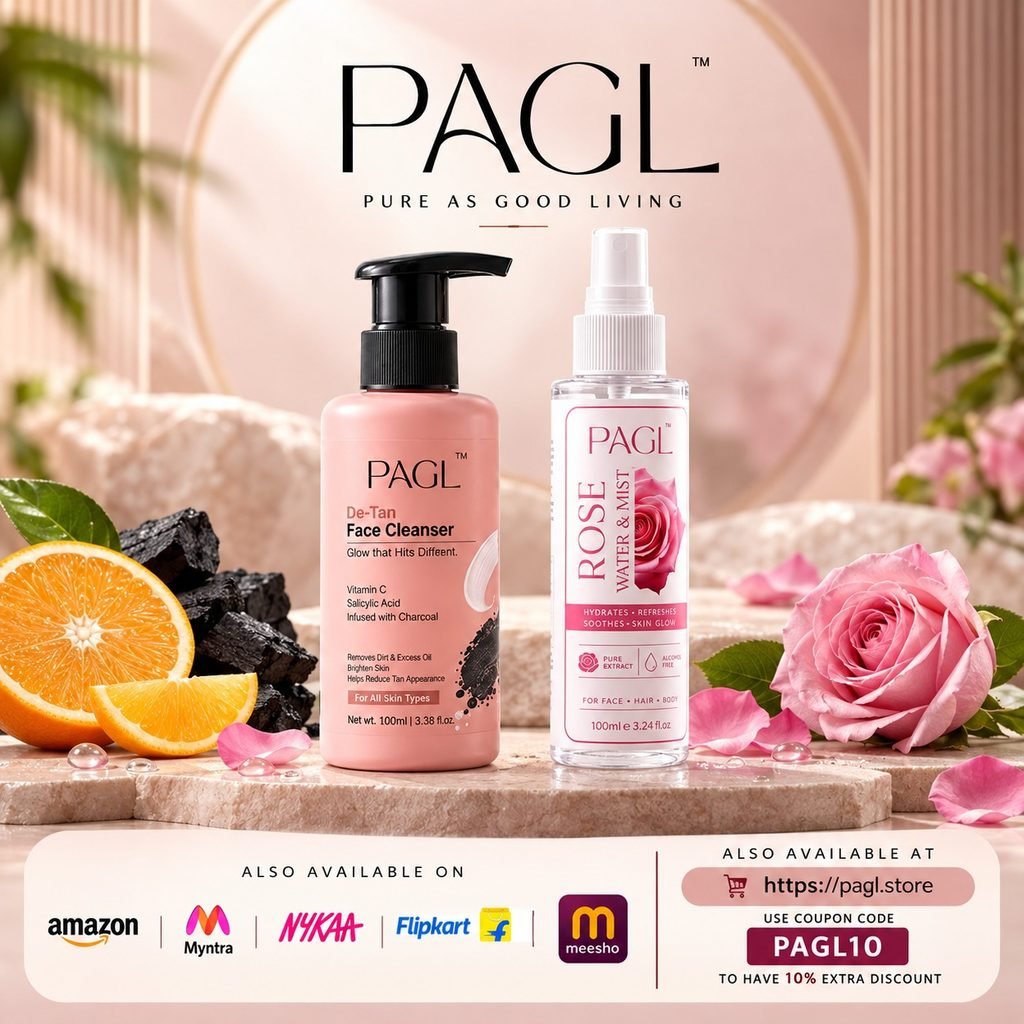
PAGL De-Tan Face Cleanser can be considered for everyday cleansing, while PAGL Rose Water Face Mist is an optional refreshing step. Neither product replaces sunscreen or guarantees that tanning will disappear.
The goal is consistent protection and healthy skin care, not overnight changes in natural skin colour. If dark patches persist despite good sun-protection habits, seek advice from a dermatologist.
References
- American Academy of Dermatology: Sunscreen FAQs
- American Academy of Dermatology: How to select a sunscreen
- NHS: Sunscreen and sun safety