
If you have spent any time researching acne, oily skin or clogged pores, you have almost certainly come across salicylic acid. It shows up in cleansers, spot treatments, toners and serums, and for good reason, it is one of the most well-studied and widely trusted ingredients in skincare.
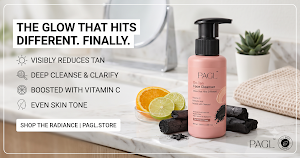
But what does it actually do, and is a salicylic acid face cleanser the right choice for your skin? This guide breaks down exactly how salicylic acid works, its real benefits, who should be using it, and how it fits into a product like the PAGL De-Tan Face Cleanser with Vitamin C, Salicylic Acid and Charcoal.
What Is Salicylic Acid?
Salicylic acid is a beta-hydroxy acid, often shortened to BHA, derived originally from willow bark, though most skincare formulations today use a lab-synthesized version for consistency and stability. It is oil-soluble, which is what makes it particularly effective at penetrating into pores rather than just working on the surface of the skin, unlike water-soluble exfoliants that primarily address surface-level dead skin cells.
This oil-soluble property is the key reason salicylic acid is so commonly recommended for oily and acne-prone skin, since it can reach into pores where oil and debris tend to build up.
How Does Salicylic Acid Work on the Skin?
Salicylic acid works primarily as a chemical exfoliant. Instead of physically scrubbing away dead skin cells like a granular scrub would, it works by loosening the bonds between dead skin cells on the surface of your skin, allowing them to shed more easily and evenly.
Because it is oil-soluble, it can also travel into your pores and help break down the buildup of oil, dead skin and debris that leads to clogged pores, blackheads and breakouts. This dual action, surface exfoliation plus deeper pore-clearing, is what sets it apart from many other exfoliating ingredients.
Key Benefits of a Salicylic Acid Face Cleanser
1. Helps Reduce Acne and Breakouts
Since salicylic acid can penetrate into pores and help clear out the buildup that leads to breakouts, it is widely used as part of acne management routines. Regular use can help reduce the frequency and severity of breakouts over time.
2. Clears and Minimizes the Appearance of Blackheads
Blackheads form when oil and dead skin cells oxidize inside an open pore. Salicylic acid’s ability to break down this buildup makes it one of the more effective ingredients for reducing the appearance of blackheads with consistent use.
3. Controls Excess Oil
By helping clear pores of built-up oil and keeping them from becoming clogged, salicylic acid supports better oil balance on the skin’s surface, which is particularly helpful for those with oily or combination skin types.
4. Gently Exfoliates Without Physical Scrubbing
For people who find physical scrubs too harsh or abrasive, salicylic acid offers a gentler, chemical alternative that still delivers effective exfoliation, helping skin look smoother and more even over time.
5. Supports Tan and Dullness Reduction
This is where salicylic acid becomes especially relevant for tan removal. Since tanned skin often involves a buildup of dead, pigmented skin cells, salicylic acid’s exfoliating action helps clear these away, supporting brighter, more even-looking skin when paired with brightening ingredients like Vitamin C.
6. Helps Refine the Appearance of Pores
While it cannot physically shrink pore size, regularly clearing out the buildup that stretches pores visually can make them appear smaller and less noticeable over time.
Who Should Use a Salicylic Acid Face Cleanser?
Salicylic acid is versatile, but it works especially well for certain skin types and concerns:
- Oily and combination skin, due to its oil-controlling and pore-clearing properties
- Acne-prone skin, for its ability to reduce breakouts and clear clogged pores
- Skin dealing with blackheads, since it directly targets the buildup that causes them
- Tanned or dull skin, when paired with brightening ingredients like Vitamin C
- Normal skin looking for gentle, regular exfoliation, without the harshness of physical scrubs
If you fall into any of these categories, a salicylic acid cleanser can be a genuinely useful addition to your routine, rather than just another trending ingredient.
Is Salicylic Acid Safe for Sensitive or Dry Skin?
Salicylic acid can generally be used by sensitive or dry skin types, but the concentration and formulation matter significantly. A gentle, well-balanced cleanser with a moderate concentration of salicylic acid, combined with hydrating or soothing ingredients, tends to work better for these skin types than a high-strength, standalone treatment.
If you have particularly reactive or very dry skin, it is worth starting with less frequent use, such as every other day, and observing how your skin responds before committing to a full twice-daily routine.
Salicylic Acid in a Complete Formula: Why Combination Matters
While salicylic acid on its own is effective, it works even better as part of a combination formula that also addresses brightening and deep cleansing, rather than relying on exfoliation alone to solve every skin concern.
This is exactly how the PAGL De-Tan Face Cleanser is formulated, combining Salicylic Acid with two other complementary ingredients:
- Vitamin C, which brightens skin tone and helps reduce dullness, working alongside salicylic acid’s exfoliating action to reveal fresher, more even-looking skin
- Activated Charcoal, which deep-cleans pores of dirt, oil and pollution, supporting salicylic acid’s work by clearing surface buildup first
Together, this combination addresses tan, dullness, oil control and clogged pores in one formula, rather than requiring separate products for each concern.
How to Use a Salicylic Acid Cleanser Correctly
Getting good results from a salicylic acid cleanser comes down to consistent, correct use rather than aggressive, occasional application.
- Wet your face with room-temperature water.
- Apply a small, coin-sized amount of the cleanser to your palm.
- Massage gently in circular motions for 30 to 60 seconds, giving the salicylic acid time to work on pores and dead skin cells.
- Rinse thoroughly with lukewarm water.
- Follow with a toner and moisturizer, since salicylic acid can be slightly drying, and proper hydration afterward helps maintain your skin’s barrier.
- Use twice daily, unless you have very sensitive or dry skin, in which case starting with once daily is a safer approach.
Potential Side Effects and How to Avoid Them
Salicylic acid is generally well tolerated, but like any active ingredient, it can cause mild side effects if used incorrectly or too frequently:
- Dryness or tightness, especially if not followed by a moisturizer
- Mild irritation, particularly with overuse or very high concentrations
- Increased sun sensitivity, making daily sunscreen especially important while using it
- Purging, a temporary increase in breakouts as your skin adjusts, which typically settles within a few weeks
Most of these effects can be avoided or minimized simply by using a well-formulated, moderate-strength cleanser correctly, twice daily, followed by proper hydration and daily sunscreen.

Salicylic Acid vs Other Exfoliating Ingredients
It is common to see salicylic acid mentioned alongside other acids like glycolic acid or lactic acid, which are alpha-hydroxy acids, or AHAs. The key difference is that AHAs are water-soluble and work primarily on the skin’s surface, while salicylic acid, being oil-soluble, can penetrate into pores.
This makes salicylic acid generally more suitable for oily, acne-prone or congested skin, while AHAs are often preferred for dry skin or concerns focused purely on surface texture and tone. For tan removal specifically, salicylic acid’s ability to clear both surface buildup and pore congestion makes it a particularly well-rounded choice.
Making Salicylic Acid Part of a Complete Skincare Routine
A salicylic acid cleanser works best as the foundation of a complete routine rather than a standalone fix. After cleansing, following up with a gentle, hydrating toner such as the PAGL Rose Water Face Mist helps rebalance your skin and prevent the dryness that active ingredients can sometimes cause.
You can explore more products in the PAGL Face Care collection to build a complete routine that pairs well with a salicylic acid cleanser and addresses your specific skin concerns.
Conclusion – A Well-Researched Ingredient Worth Understanding
Salicylic acid has earned its popularity in skincare for good reason. Its ability to exfoliate the skin’s surface while also clearing out clogged pores makes it genuinely effective for acne, blackheads, oily skin and, when paired with brightening ingredients, tan and dullness as well. Understanding how it works, and using it correctly, is what turns it from just another ingredient on a label into a real driver of visible results.
If you are looking for a cleanser that puts salicylic acid to work alongside brightening and deep-cleansing ingredients, the PAGL De-Tan Face Cleanser with Vitamin C, Salicylic Acid and Charcoal brings this combination together in one daily formula.
Frequently Asked Questions
A salicylic acid face cleanser gently exfoliates the skin’s surface and penetrates into pores to clear out oil, dead skin cells and debris. This helps reduce acne, blackheads, clogged pores and, when paired with brightening ingredients, tan and dullness.
Yes, salicylic acid is particularly well suited to oily and combination skin since it is oil-soluble and can help clear excess oil and buildup from within the pores, supporting better overall oil balance.
Yes, salicylic acid helps exfoliate away dead, tanned skin cells, which supports the fading process. It works especially well when combined with brightening ingredients like Vitamin C, as found in the PAGL De-Tan Face Cleanser.
Salicylic acid can generally be used by sensitive or dry skin types in a gentle, well-formulated cleanser, though starting with less frequent use, such as every other day, is a safer approach for very reactive skin.
Yes, salicylic acid can increase your skin’s sensitivity to the sun, making daily sunscreen especially important while using it, both for protection and to support the tan-reducing benefits of your cleanser.
Ready to experience the benefits for yourself? Shop PAGL De-Tan Face Cleanser today.















Leave a Reply