
Salicylic Acid and Niacinamide are two of the most recommended ingredients in skincare today, and they often show up in the same conversations, sometimes even in the same product. This overlap can make it confusing to figure out which one your skin actually needs, or whether you need both at all.
This guide breaks down exactly what each ingredient does, how they differ, and which one is the better fit depending on your specific skin concern, whether that is acne, oiliness, pigmentation or overall texture.
What Is Salicylic Acid?
Salicylic Acid is a beta-hydroxy acid, or BHA, known for its oil-soluble properties, which allow it to penetrate into pores rather than working only on the skin’s surface. It functions primarily as a chemical exfoliant, gently loosening dead skin cells and clearing out the buildup of oil and debris that leads to clogged pores, blackheads and breakouts.
Because of this pore-penetrating ability, Salicylic Acid is widely considered one of the most effective ingredients specifically for acne-prone and oily skin.
What Is Niacinamide?
Niacinamide is a form of Vitamin B3, valued in skincare for its versatility. It supports a more even skin tone, helps visibly reduce the appearance of pigmentation and dark spots, assists in regulating oil production, and is generally recognized for being very gentle, even on sensitive or reactive skin.
Unlike Salicylic Acid, Niacinamide does not work by exfoliating. Instead, it supports the skin’s overall function and appearance from a different angle, focusing more on tone, texture and barrier support.
Key Differences Between Salicylic Acid and Niacinamide
| Aspect | Salicylic Acid | Niacinamide |
|---|---|---|
| Primary function | Chemical exfoliant, clears pores | Tone-evening, barrier-supporting |
| Best for | Acne, blackheads, clogged pores | Pigmentation, oil regulation, sensitive skin |
| How it works | Loosens dead skin cells, penetrates oil-clogged pores | Supports skin function and pigment regulation |
| Skin type fit | Oily, combination, acne-prone | Nearly all skin types, including sensitive |
| Common irritation risk | Can cause dryness if overused | Very low, well tolerated |
| Typical format | Cleansers, toners, spot treatments | Serums, moisturizers |
Salicylic Acid vs Niacinamide for Acne
For active acne and frequent breakouts, Salicylic Acid generally has the edge, since its ability to penetrate into pores directly addresses the oil and debris buildup that leads to breakouts in the first place. Niacinamide can still play a supporting role here, particularly by helping calm inflammation and regulate the oil production that contributes to acne, but it is not typically the primary acne-fighting ingredient on its own.
Salicylic Acid vs Niacinamide for Oily Skin
Both ingredients offer real benefits for oily skin, just through different mechanisms. Salicylic Acid works by clearing pores of the oil and debris that make skin look shiny and congested, while Niacinamide works more on regulating how much oil your skin produces in the first place. Many oily skin routines actually benefit from using both, Salicylic Acid in a cleanser to manage daily buildup, and Niacinamide in a serum or moisturizer for longer-term oil regulation.
Salicylic Acid vs Niacinamide for Pigmentation and Tan
This is where Niacinamide tends to be more directly effective on its own, given its specific role in supporting a more even skin tone and reducing the appearance of pigmentation. That said, Salicylic Acid still plays a meaningful supporting role for tan specifically, since tan involves a layer of pigmented, dead skin cells that Salicylic Acid helps clear away, allowing brightening ingredients to work more visibly on the fresher skin underneath.
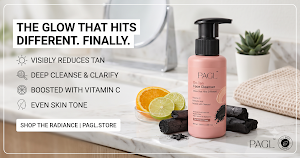
This is exactly why a formula like the PAGL De-Tan Face Cleanser pairs Salicylic Acid with Vitamin C rather than relying on exfoliation alone, since brightening and exfoliation work best together for tan specifically.
Can You Use Salicylic Acid and Niacinamide Together?
Yes, and for many skin concerns, using both is actually more effective than relying on just one. Since they work through different mechanisms, exfoliation versus tone and barrier support, they generally complement rather than compete with each other.
A practical approach is to use a Salicylic Acid cleanser as your daily foundation, clearing pores and dead skin cells with every wash, and layering a Niacinamide serum on top for more targeted, ongoing support with tone and oil regulation. This combination addresses both surface-level buildup and deeper, longer-term skin concerns.
Featured Products
-
De-Tan Face Cleanser with Vitamin C, Salicylic Acid & Charcoal
Original price was: ₹599.00.₹540.00Current price is: ₹540.00. -
Rose Water Face Mist Spray | Natural Toner for Face, Skin & Hair | Hydrating, Refreshing & Alcohol-Free
Original price was: ₹199.00.₹180.00Current price is: ₹180.00.


Which One Should You Choose First?
If you are only ready to introduce one active ingredient into your routine, here is a simple way to decide:
- Choose Salicylic Acid first if: you are dealing with active breakouts, blackheads, visibly clogged pores, or excess surface oil
- Choose Niacinamide first if: your main concern is pigmentation, uneven tone, or you have sensitive skin that needs a gentler introduction to actives
- Consider both if: you are managing multiple concerns at once, such as oily, acne-prone skin that is also dealing with tan or dullness, a common combination, especially during Indian summers
How to Introduce These Ingredients Without Irritation
- Start with one ingredient at a time, rather than adding both to your routine simultaneously
- Use a cleanser-based formula first, like the PAGL De-Tan Face Cleanser, since a rinse-off product is generally gentler than a leave-on serum
- Follow with a hydrating toner, such as the PAGL Rose Water Face Mist, to support your skin barrier as it adjusts
- Watch how your skin responds for one to two weeks before adding a second active ingredient
- Always follow with sunscreen, since both ingredients can increase skin’s sensitivity to sun exposure
Common Mistakes When Choosing Between These Ingredients
- Assuming one is universally “better”, when in reality they serve different purposes depending on your specific concern
- Using high concentrations of both at once, which can lead to irritation rather than faster results
- Ignoring your primary skin concern, choosing an ingredient based on trends rather than what your skin actually needs
- Expecting overnight results, when both ingredients typically need four to six weeks of consistent use to show visible change
- Skipping sunscreen, undermining the benefits of either ingredient
Building a Routine Around the Right Choice
Once you know which ingredient, or combination, suits your skin, building a consistent routine around it matters more than the ingredient itself. You can explore the complete PAGL Face Care collection to find products that fit your specific skin concern, whether that leans toward Salicylic Acid, Niacinamide, or a thoughtful combination of both.
Conclusion – There Is No Single Winner, Only the Right Fit for Your Skin
Salicylic Acid and Niacinamide are not competitors, they are tools suited to different jobs. Salicylic Acid excels at clearing pores and managing acne and oiliness, while Niacinamide shines when it comes to evening out tone and supporting sensitive skin. Understanding your primary concern, rather than chasing whichever ingredient is trending, is what actually leads to visible results.
If your main concern is tan, dullness and daily buildup, the PAGL De-Tan Face Cleanser with Vitamin C, Salicylic Acid and Charcoal gives you a well-balanced starting point that already puts Salicylic Acid to work alongside brightening support.
Frequently Asked Questions
Salicylic Acid is generally more effective for active acne, since it penetrates into pores to clear the oil and debris buildup that causes breakouts. Niacinamide can play a supporting role by calming inflammation and regulating oil production.
Yes, they work through different mechanisms and generally complement each other well. A common approach is using a Salicylic Acid cleanser daily and layering a Niacinamide serum for more targeted, ongoing support.
Both help with oily skin, but through different means. Salicylic Acid clears pores of existing oil and buildup, while Niacinamide helps regulate how much oil your skin produces over time. Many oily skin routines benefit from using both.
Niacinamide is generally more directly effective for pigmentation and uneven tone. However, Salicylic Acid still supports tan reduction specifically by clearing away pigmented, dead skin cells, working well alongside brightening ingredients like Vitamin C.
Choose Salicylic Acid first if you are dealing with active breakouts or clogged pores, and Niacinamide first if your main concern is pigmentation or you have sensitive skin. Starting with one ingredient in a gentle, rinse-off cleanser is a safe way to introduce either.
For more skincare ingredient comparisons, explore the PAGL blog section.
Ready to find the right fit for your skin? Shop PAGL De-Tan Face Cleanser today.















Leave a Reply