
Have you spent a day travelling, shopping, commuting to work or enjoying time outdoors, only to notice that your face looks darker or more uneven than usual? Facial tanning is a common concern in India, where strong sunlight, outdoor commutes and hot weather can make sun protection difficult to maintain.
You may search for how to remove tan from face immediately because you have a family function, wedding, office event or weekend plan coming up. It is tempting to try a strong face scrub, lemon juice, a DIY bleaching mixture or several brightening products together.
However, there is no safe skincare method that can completely remove a genuine sun tan instantly. A tan develops when the skin responds to ultraviolet radiation. The appearance of tanning usually fades gradually as the skin renews itself, although the timeline varies. Persistent dark patches may have another cause, such as melasma or post-inflammatory hyperpigmentation.
The good news is that you can take practical steps to soothe sun-exposed skin, prevent additional tanning and support a more even-looking complexion without damaging your skin barrier.
This guide explains what you can do immediately, which home-care methods to avoid, how to build a simple routine for Indian skin and how to choose skincare products sensibly.
What Is Facial Tanning?
A tan is a change in skin colour associated with exposure to ultraviolet radiation. UV exposure stimulates processes involving melanin, the pigment that gives skin its colour.
Melanin helps protect the skin to some extent, but a tan is also a sign of UV-related skin damage. It does not mean your skin is healthier or that you have developed complete protection against further sun exposure.
The American Academy of Dermatology explains that tanning from UV exposure contributes to skin damage and recommends sun protection to reduce the risk of premature skin ageing and skin cancer.
Read more from the American Academy of Dermatology’s sun-protection guidance.
Why does your face tan more visibly?
Your face is frequently exposed to sunlight, often for longer periods than areas covered by clothing. The forehead, cheeks, nose and upper lip can receive repeated exposure during everyday activities.
Some people also notice uneven pigmentation around the mouth, on the cheeks or across the forehead. This is not always a simple tan. Melasma, acne marks and other pigmentation conditions can look similar, so persistent patches should not automatically be treated as sun tan.
How to Remove Tan from Face Immediately: What You Can Do Today
If your face looks darker after a day in the sun, focus on comfort and preventing further exposure rather than trying to strip away the colour.
1. Move away from direct sunlight
The first step is to reduce additional UV exposure. Spend time indoors or in shade and avoid further direct sun while your skin feels hot or irritated.
If you have been outdoors for a long time, allow your skin to cool before starting your skincare routine.

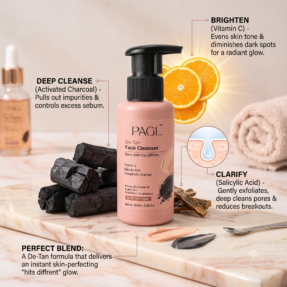
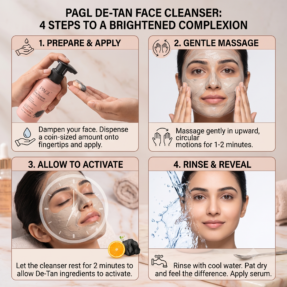
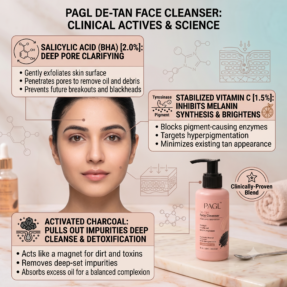
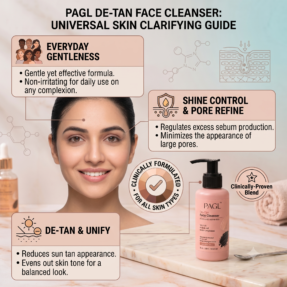
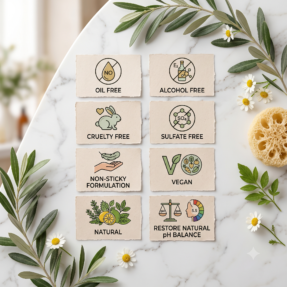

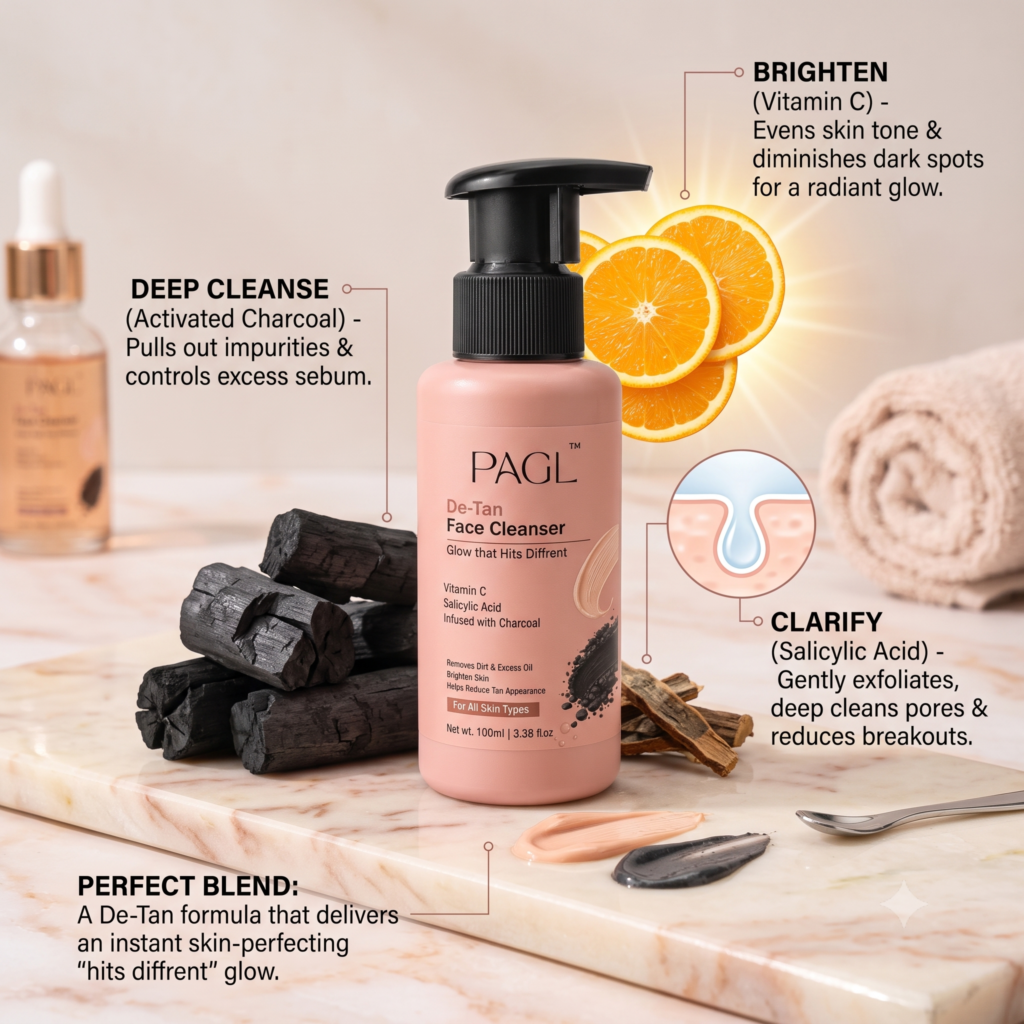
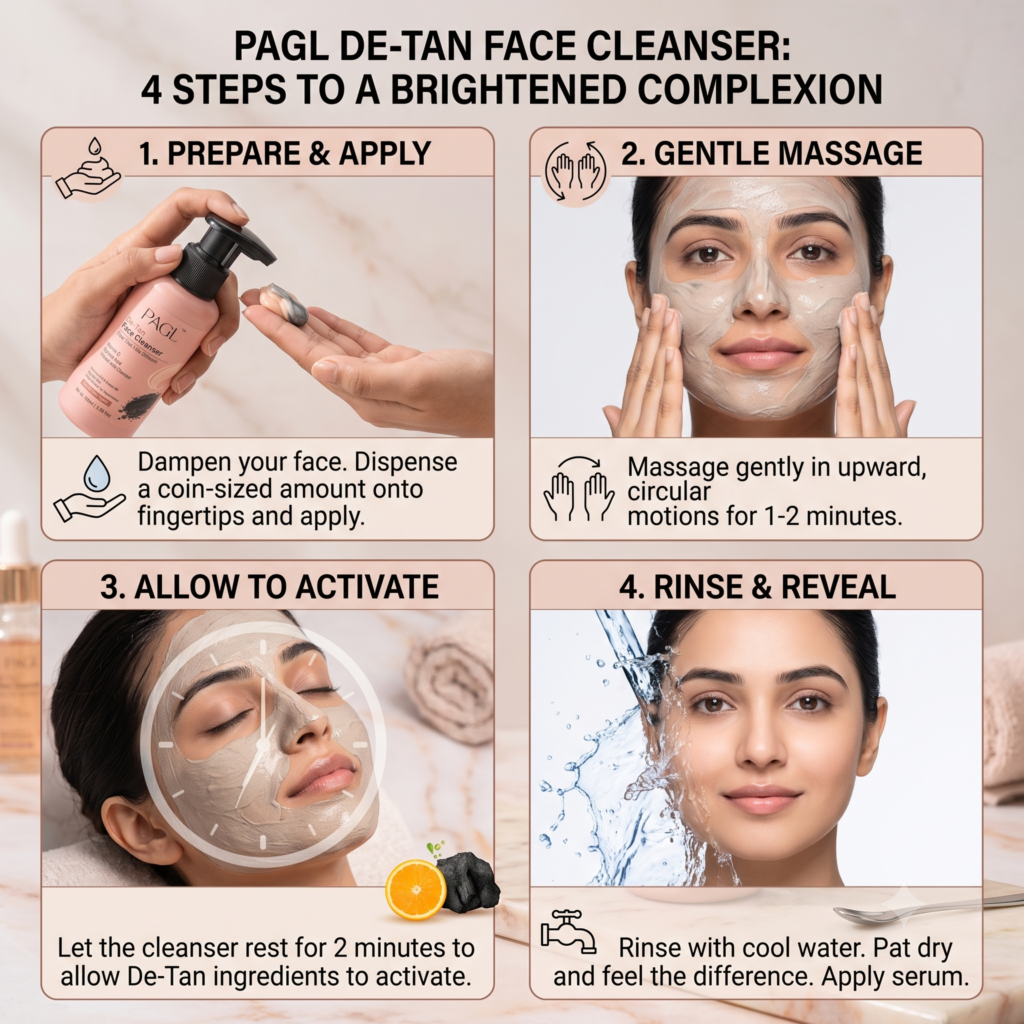
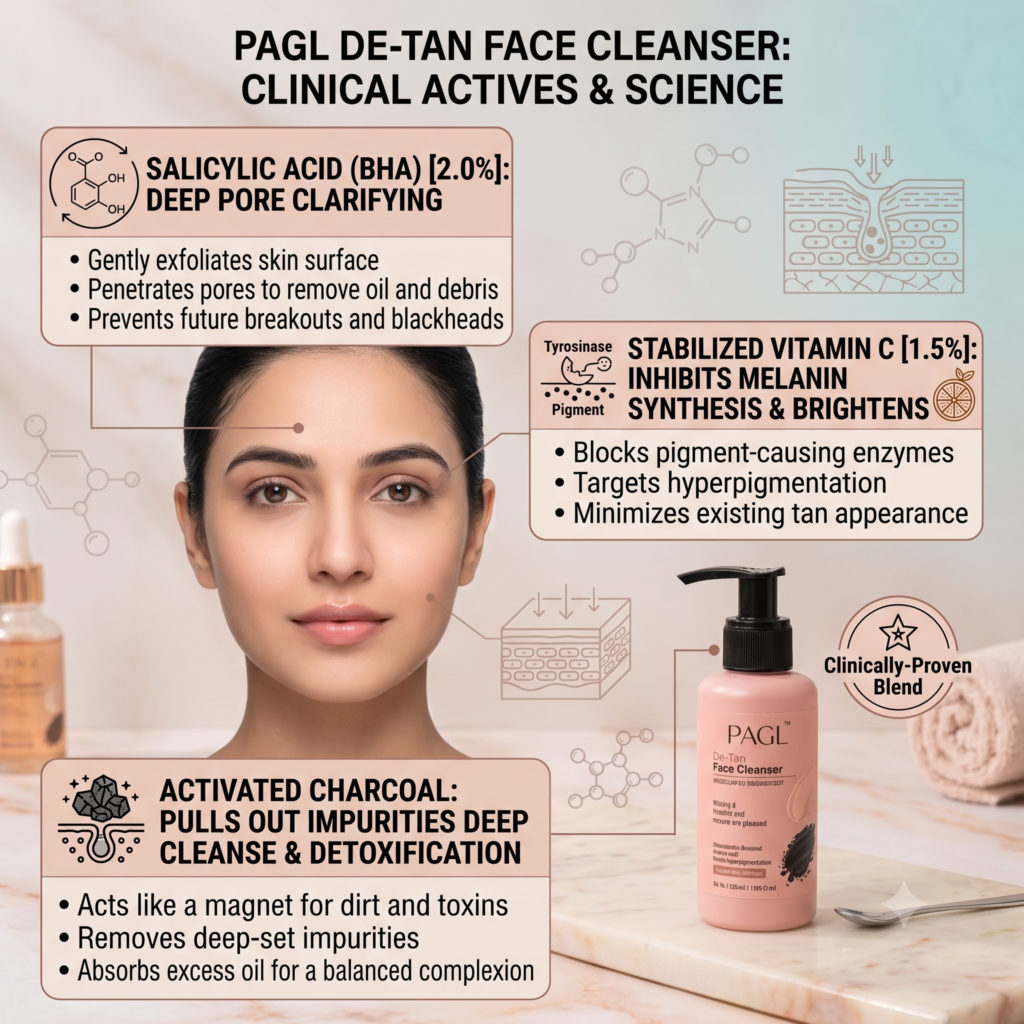
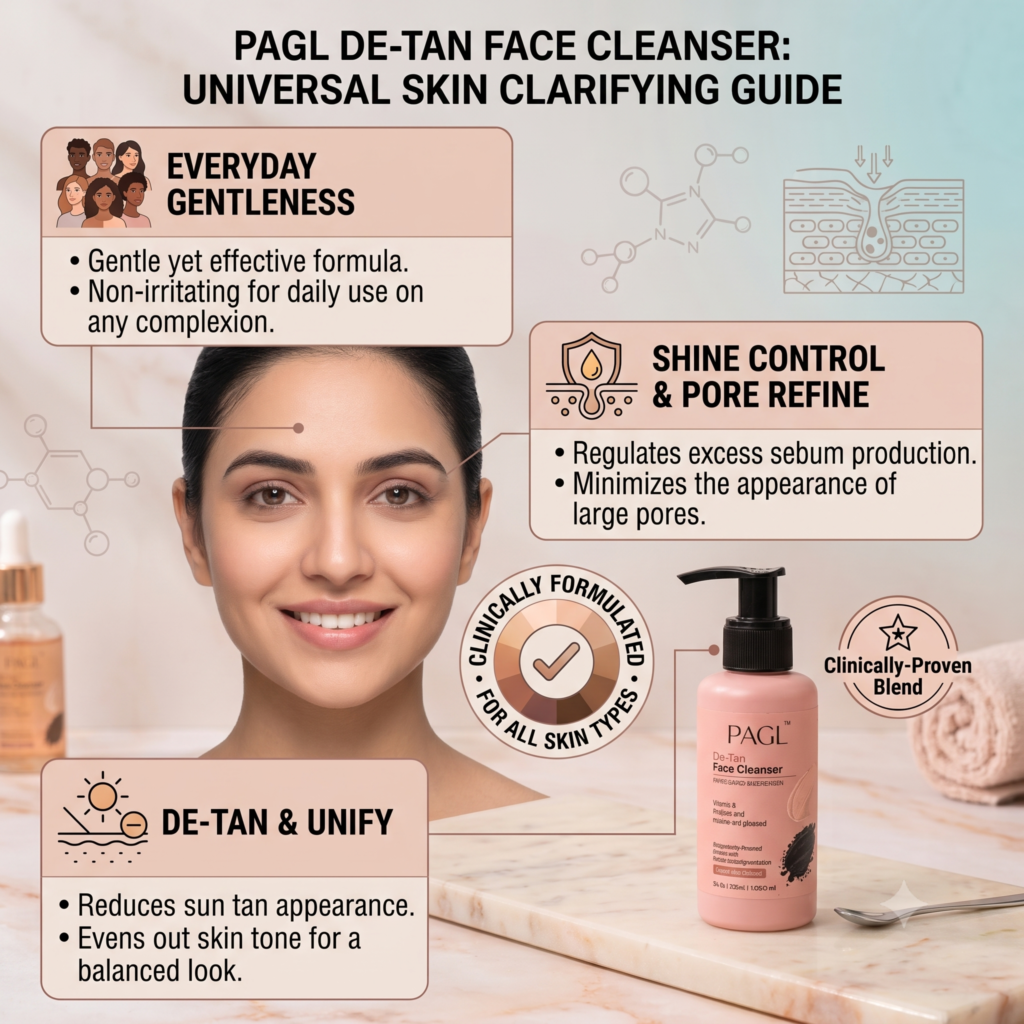
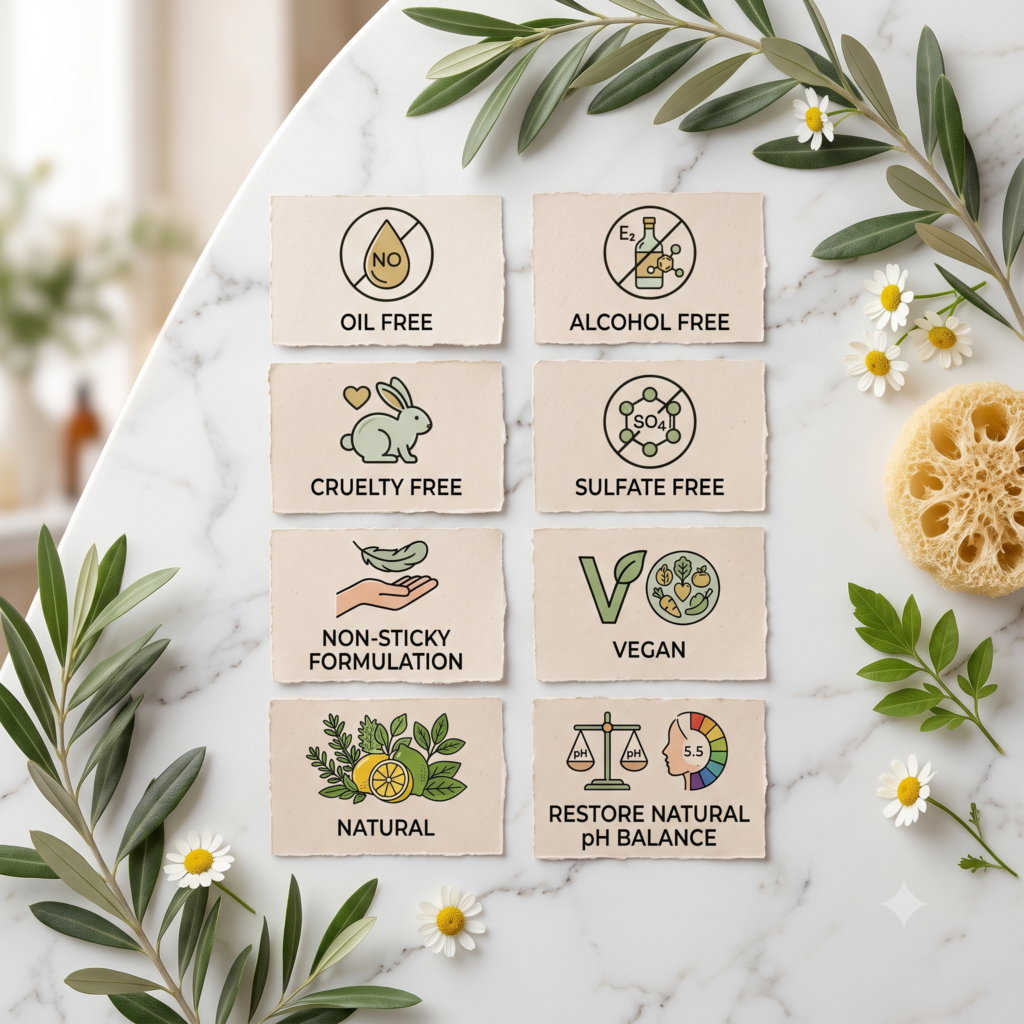
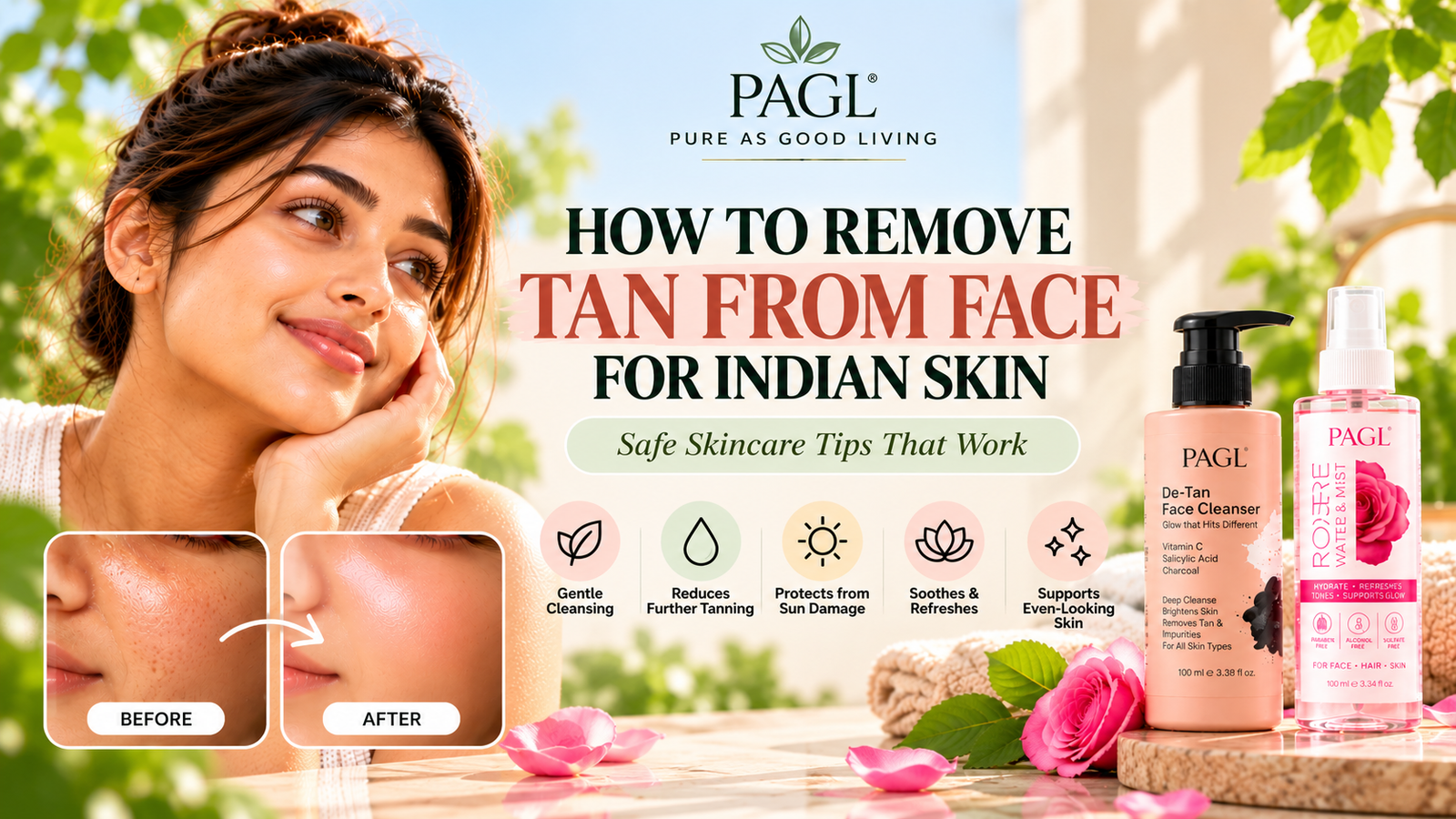
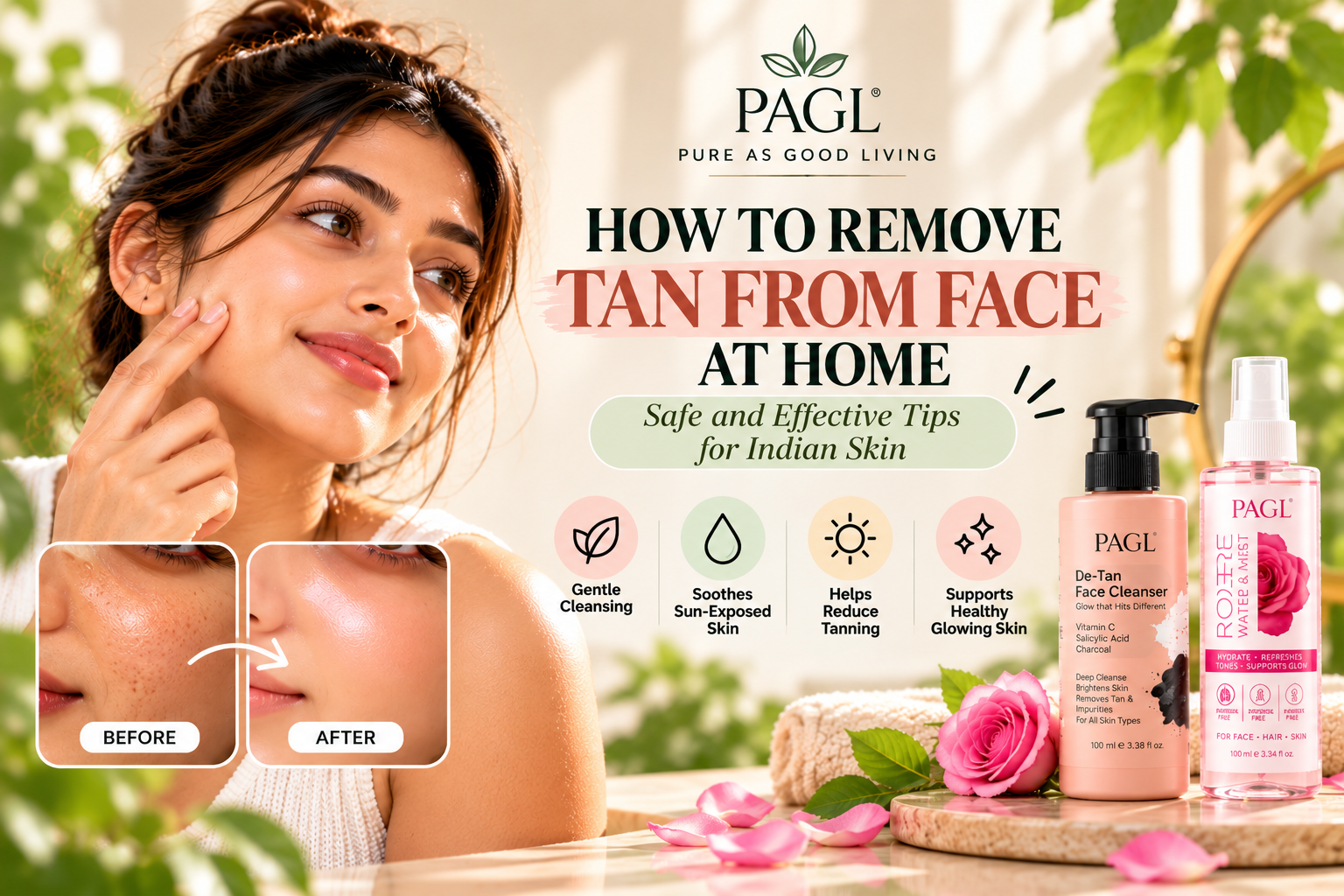
De-Tan Face Cleanser with Vitamin C, Salicylic Acid & Charcoal
De-Tan Face Cleanser helps restore your skin’s natural radiance with every wash. The advanced formula works to brighten skin, improve texture, and leave your face feeling fresh, clean, and revitalized.
2. Wash your face gently
Use lukewarm or cool water and a gentle cleanser to remove sweat, oil, sunscreen and everyday residue.
Avoid scrubbing your face with a rough towel, cleansing brush or abrasive exfoliant. These methods do not instantly remove a tan and can irritate the skin.
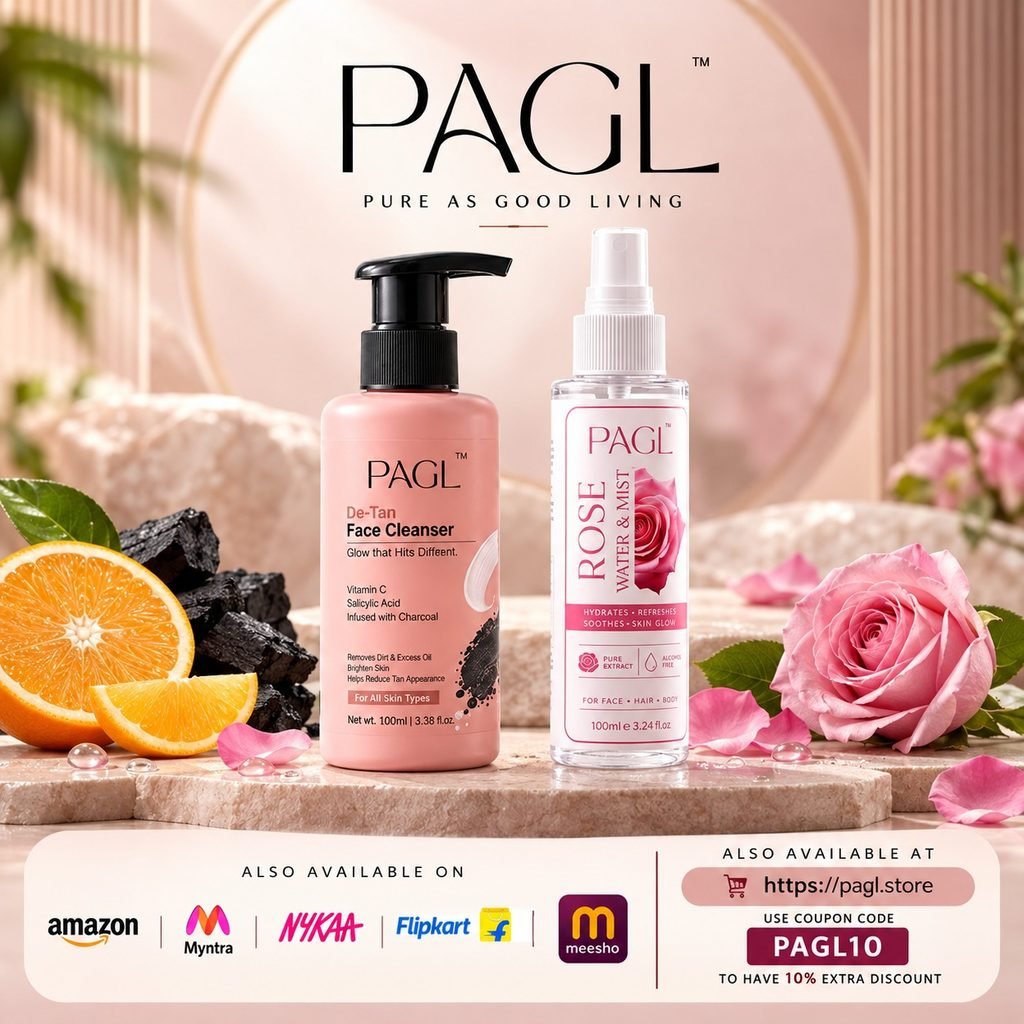
If you are looking for a cleanser for your routine, explore the PAGL De-Tan Face Cleanser with Vitamin C, Salicylic Acid and Charcoal. Check its full ingredient list and directions before use, particularly if your skin is sensitive or already irritated.
A cleanser can help with cleansing, but it should not be expected to erase a sun tan in one wash.
3. Soothe skin that feels hot or uncomfortable
If your face feels warm after sun exposure, use a clean, cool, damp cloth for a short period. Avoid applying ice directly to your skin.
For mild sunburn, the American Academy of Dermatology recommends cooling the skin and applying a suitable moisturiser while the skin is still slightly damp.
If your skin is painful, swollen or blistered, do not use exfoliating acids, scrubs or strong brightening products. Stay out of the sun and seek medical advice if the reaction is severe.
4. Apply a gentle moisturiser
A suitable moisturiser can help reduce dryness and support the skin barrier. Choose a formula that feels comfortable and does not cause stinging.
If your skin is sensitive after sun exposure, keep the rest of your routine simple. Avoid introducing multiple new products on the same day.
5. Protect your skin from more sun exposure
Apply a broad-spectrum sunscreen with SPF 30 or higher to exposed skin. Reapply approximately every two hours outdoors and after swimming or heavy sweating, following the product directions.
Use shade, a hat and protective clothing as additional measures. Sunscreen is important even when you are trying to fade existing tanning because repeated exposure can keep the skin darkened.
For detailed advice, see the AAD guide to preventing sun damage.
How to Remove Tan from Face Naturally at Home
Home care can support your skin, but natural ingredients are not automatically safe or effective. The goal is to maintain comfortable skin and reduce further sun damage, not to bleach your natural complexion.
1. Use a gentle cleansing routine
Cleanse your face without excessive rubbing. For most people, gentle cleansing in the morning and evening, plus cleansing after heavy sweating, is a reasonable starting point.
Avoid repeatedly washing your face in an attempt to remove pigmentation. Over-cleansing can leave the skin dry and irritated.
2. Try a cool compress after outdoor exposure
A clean, cool, damp cloth can help soothe skin that feels warm. It is a comfort measure, not a treatment that removes melanin or erases a tan.
Do not use a compress that is extremely cold, and do not apply ice directly to the face.
3. Moisturise consistently
A suitable moisturiser helps support the skin barrier and can make dry or rough skin feel smoother. It will not remove a tan immediately, but comfortable skin is better able to tolerate a consistent skincare routine.
4. Keep your routine simple
Avoid experimenting with several homemade mixtures at once. If a product or ingredient causes burning, itching or redness, wash it off and discontinue use.
Natural ingredients such as lemon juice, undiluted essential oils and abrasive powders can irritate skin. Irritation may also lead to darker marks, particularly in skin tones prone to post-inflammatory pigmentation.
5. Do not rely on rose water to remove tan
Rose water face mist can be an optional refreshing step if your skin tolerates it. It is not a proven treatment for removing a sun tan.
If you enjoy using a face mist, see the PAGL Rose Water Face Mist. Review the ingredients, patch-test before regular use and stop if you notice irritation.
Use it for refreshment rather than expecting it to lighten your complexion or reverse UV damage.
Can You Remove Tan from Face in One Day?
A genuine sun tan generally cannot be safely removed in one day. Cleansing, moisturising and using a face mask may temporarily change how your skin feels or looks, but they do not instantly reverse the biological changes caused by UV exposure.
Be cautious of products or treatments that promise dramatic whitening overnight.
What can improve within a day?
Depending on your skin’s condition, you may be able to:
- Remove sweat, dirt, makeup and sunscreen residue.
- Reduce discomfort from mild heat exposure with cool compresses.
- Improve the appearance of dryness by moisturising.
- Prevent additional UV exposure by using sunscreen, shade and protective clothing.
These steps can help your skin look and feel more comfortable. They are not the same as removing a tan.
How long does a tan take to fade?
The timeline depends on the depth of pigmentation, the amount of sun exposure, your skin’s response and whether you continue to receive UV exposure. Some changes may fade gradually over several weeks, while persistent pigmentation can last longer.
If the darkening does not improve, has an unusual pattern or develops into persistent patches, a dermatologist can help identify the cause and recommend suitable treatment.
Which Ingredients Can Help Improve Uneven Skin Tone?
Some skincare ingredients may help improve the appearance of certain forms of uneven pigmentation over time. The right choice depends on the cause of the darkening and your skin’s tolerance.

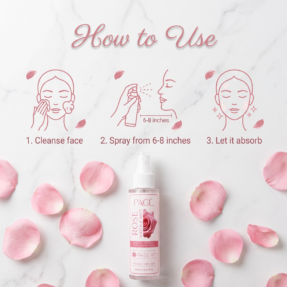
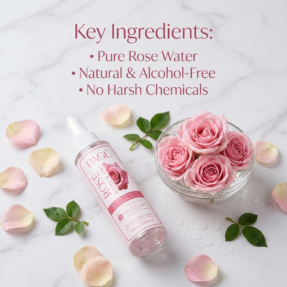
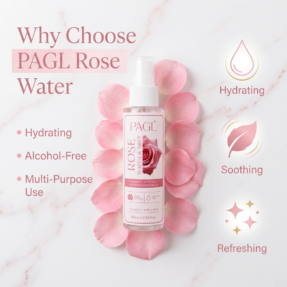
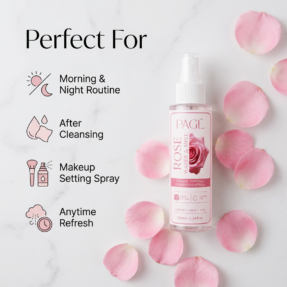


Rose Water Face Mist Spray | Natural Toner for Face, Skin & Hair | Hydrating, Refreshing & Alcohol-Free
Refresh and hydrate your skin with every spray. Alcohol-free rose water for a naturally radiant glow.
Instantly soothe, tone, and revitalize your skin with pure rose water. Perfect for everyday hydration.
Vitamin C
Vitamin C is an antioxidant used in skincare formulations. Some products containing vitamin C may help improve the appearance of uneven tone with consistent use, but results vary by formulation and individual skin.
It is not an instant tan remover. Introduce it carefully, especially if your skin is sensitive.
Niacinamide
Niacinamide is used in skincare to support the skin barrier and improve the appearance of uneven tone in some people. Choose a well-formulated product and follow its directions.
Retinoids
Certain topical retinoids may help with some forms of pigmentation and acne, but they can also cause dryness and irritation. They are not appropriate for everyone. Retinoids should generally be avoided during pregnancy or when trying to conceive unless specifically advised by a clinician.
Exfoliating acids
Ingredients such as glycolic acid and salicylic acid are used for different skincare purposes. They should not be layered indiscriminately or applied to sunburned, broken or irritated skin.
Over-exfoliation can worsen irritation and pigmentation. If you are unsure which active ingredient is suitable, ask a dermatologist.
Is a De-Tan Face Wash Enough to Remove Tan?
A de-tan face wash can be part of a cleansing routine, but the term “de-tan” does not guarantee that a product can remove pigmentation or reverse UV damage.
A cleanser is a rinse-off product. Its primary purpose is to remove oil, sweat, sunscreen residue and impurities. The results depend on the formulation, how it is used and your skin’s needs.
When choosing a cleanser:
- Read the complete ingredient list.
- Follow the manufacturer’s instructions.
- Avoid products that leave your skin persistently tight or irritated.
- Do not use a cleanser more frequently than directed to speed up results.
- Pair your routine with moisturiser and sunscreen.
You can explore the PAGL De-Tan Face Cleanser as an option for everyday cleansing. Its suitability depends on your skin and tolerance, and it should not be treated as a guaranteed tan-removal treatment.
If you use a cleanser containing exfoliating or acne-focused ingredients, be particularly careful about combining it with other active products. Too many strong ingredients may cause irritation.
A Simple Morning and Evening Routine for Indian Skin
You do not need a long routine to care for skin exposed to Indian weather. Consistency and sun protection are more important than using many products.
Morning routine
Step 1: Cleanse. Use a gentle cleanser suitable for your skin type.
Step 2: Moisturise. Apply a comfortable moisturiser. Oily skin can also need moisturising.
Step 3: Use sunscreen. Choose broad-spectrum SPF 30 or higher. Apply enough to cover exposed areas and reapply as directed, especially outdoors.
Step 4: Add optional refreshment. If your skin tolerates it, a face mist such as PAGL Rose Water Face Mist can be an optional step. It does not replace sunscreen or moisturiser.
Evening routine
Step 1: Cleanse gently. Remove sunscreen, makeup, sweat and daily residue without scrubbing.
Step 2: Use targeted skincare only if needed. If you are addressing persistent pigmentation, choose an appropriate product and introduce it gradually. Do not apply strong active ingredients to irritated or sunburned skin.
Step 3: Moisturise. Support the skin barrier and avoid adding unnecessary products.
Step 4: Be consistent. Give a suitable routine time to work rather than changing products every few days.
If your pigmentation is persistent, a dermatologist can determine whether it is tanning, melasma or another condition and help you select a more targeted treatment.
How to Prevent Your Face from Tanning Again
Preventing repeated sun exposure is an essential part of managing tanning.
Use sunscreen correctly
Choose a broad-spectrum sunscreen with SPF 30 or higher. Apply it to the face, ears, neck and other exposed areas. Reapply approximately every two hours outdoors and after sweating or swimming, following the product label.
Wear a hat and protective clothing
A wide-brimmed hat and clothing that covers exposed skin can reduce direct sun exposure. These measures are especially useful during long commutes or outdoor activities.
Seek shade where possible
Plan outdoor activities with shade breaks when practical. Remember that reflected sunlight can also contribute to exposure.
Avoid harsh tan-removal hacks
Frequent scrubbing, unregulated bleaching products and aggressive at-home peels can irritate skin. They may make pigmentation more noticeable rather than less noticeable.
Keep expectations realistic
Your natural skin tone does not need to be changed. The aim is to care for your skin, prevent sun damage and address unwanted uneven pigmentation safely.
Common Mistakes to Avoid When Trying to Remove Tan
Using lemon juice on the face
Lemon juice is acidic and can irritate the skin. Citrus on skin followed by sunlight may also cause a phototoxic reaction in some circumstances. It is not a recommended method for removing facial tan.
Scrubbing until the skin feels raw
Scrubbing does not safely erase melanin. Excessive friction can damage the skin barrier and contribute to irritation and dark marks.
Applying multiple brightening products together
Using several exfoliating or brightening products at once can increase the risk of dryness, burning and peeling. Introduce products gradually.
Expecting overnight results
A product that makes the skin feel temporarily smoother has not necessarily removed pigmentation. Be wary of guaranteed instant or permanent claims.
Skipping sunscreen after using brightening products
Sun exposure can worsen some forms of pigmentation. Sunscreen and protective habits remain important while working on uneven skin tone.
Ignoring persistent dark patches
Not all facial darkening is a simple tan. If patches persist, recur or change, consult a dermatologist rather than repeatedly trying stronger products.
When Should You Consult a Dermatologist?
Seek professional advice if:
- Your face develops painful redness, swelling or blisters after sun exposure.
- Dark patches persist or continue to worsen.
- Pigmentation is concentrated around the cheeks, forehead or upper lip and keeps returning.
- Your skin becomes irritated after a tan-removal product.
- You notice an unusual or changing dark spot.
- You have tried consistent, gentle care without improvement.
A dermatologist can assess the cause and advise whether targeted treatment is appropriate. Do not use prescription-strength bleaching creams or strong chemical peels without professional guidance.
Frequently Asked Questions
1. How can I remove tan from my face immediately?
You cannot safely erase a genuine sun tan instantly. You can gently cleanse, soothe uncomfortable skin, moisturise and prevent further UV exposure. The tan usually fades gradually, and persistent pigmentation may need professional assessment.
2. How do I remove tan from my face naturally at home?
Start with gentle cleansing, moisturising and sun protection. Avoid lemon juice, abrasive scrubs and harsh DIY mixtures. Home care supports the skin but cannot guarantee rapid removal of a tan.
3. Can I remove tan from my face in one day?
No home remedy or cleanser can reliably remove a genuine tan in one day. You may improve the appearance of dryness or residue, but pigmentation takes time to fade.
4. Which face wash is best for tan removal?
Choose a cleanser that suits your skin and does not cause irritation. A cleanser may remove everyday residue, but it cannot be guaranteed to remove a tan. Check the ingredient list and follow the directions.
5. Does rose water remove facial tan?
Rose water may be used as a refreshing skincare step if your skin tolerates it, but it is not a proven standalone treatment for removing sun tan.
6. Does sunscreen help fade an existing tan?
Sunscreen helps reduce further UV exposure, which can otherwise maintain or worsen tanning and pigmentation. It does not instantly remove existing colour, but sun protection is an important part of managing it.
7. Can tan be removed permanently?
A tan may fade, but future sun exposure can cause the skin to tan again. Consistent sun protection helps reduce repeated tanning. Persistent pigmentation may have causes other than a simple tan and should be assessed appropriately.
8. Is facial tanning the same as pigmentation?
Not always. Tanning is associated with UV exposure, while pigmentation can also result from hormonal changes, inflammation, acne marks and other causes. Persistent or unusual dark patches should be assessed by a dermatologist.
Final Takeaway
If you are searching for how to remove tan from face immediately, avoid treatments that promise instant whitening. A safer approach is to cleanse gently, soothe irritated skin, moisturise and protect your face from additional sun exposure.
A suitable cleanser can support everyday hygiene, while a face mist can provide optional refreshment. Neither should be presented as a guaranteed treatment for pigmentation. For persistent darkening, a dermatologist can identify the cause and recommend appropriate care.
PAGL’s approach to everyday skincare should focus on consistent habits, realistic product expectations and protecting your skin rather than trying to change your natural complexion overnight.
References
- American Academy of Dermatology: How to prevent skin cancer and protect your skin from the sun
- American Academy of Dermatology: Sunscreen and sun-protection guidance
- NHS: Sunscreen and sun safety












Leave a Reply