
Waking up and finding a new pimple on your face can be frustrating, especially when you feel like you are already doing everything right.
You wash your face, try different skincare products, avoid touching your skin and still another breakout appears.
The truth is that acne is not simply caused by having a dirty face. Acne can develop because of clogged pores, excess oil, inflammation, bacteria, hormones and several other factors. That is why aggressively washing or scrubbing your face is usually not the answer.
The good news is that acne can often be managed with a consistent and appropriate skincare routine. For mild acne, certain over-the-counter ingredients can help. More persistent, painful or severe acne may require treatment from a dermatologist.
In this guide, we will explain how to stop face acne, what you can do at home, which skincare habits can help, which mistakes to avoid and when it is time to see a dermatologist.
What Causes Acne on the Face?
Acne develops when hair follicles and pores become clogged with oil, dead skin cells and other material. Inflammation can then contribute to the formation of pimples.
Several factors can influence acne, including:
- Excess sebum or oil production
- Dead skin cell buildup
- Clogged pores
- Inflammation
- Acne-associated bacteria
- Hormonal changes
- Certain medications
- Genetics
- Some cosmetic or skincare products
- Stress and lifestyle factors in some people
This is why simply washing your face more often does not necessarily stop acne.
In fact, repeatedly washing or aggressively scrubbing your skin can irritate it and make your skincare routine harder to tolerate.
Can You Completely Stop Acne?
There is no guaranteed way to prevent every single pimple.
Acne is a common skin condition and can be influenced by factors that you cannot completely control.
The realistic goal is to reduce breakouts, manage existing acne and prevent acne from becoming worse.
With the right routine, many people can significantly improve their skin. However, moderate or severe acne may require professional treatment.
If you have deep, painful acne, nodules, cysts or acne that is leaving scars, do not rely only on home skincare.
How to Stop Face Acne: 10 Practical Steps
1. Wash Your Face Gently
Start with the basics.
Cleanse your face gently, generally up to twice a day and after heavy sweating.
Use your fingertips rather than a rough washcloth, brush or scrub.
The objective is to remove excess oil, sweat and impurities without damaging the skin barrier.
A cleanser should leave your skin feeling clean, not painfully tight or stripped.
Washing your face many times throughout the day will not necessarily make acne disappear faster.
In fact, excessive cleansing can irritate acne-prone skin.
2. Choose an Acne-Friendly Cleanser
If you frequently experience clogged pores or breakouts, the ingredients in your cleanser matter.
Salicylic acid is one ingredient commonly used in acne skincare. It can help unclog pores and remove dead skin cells.
Another commonly used acne-fighting ingredient is benzoyl peroxide, which can help reduce acne-causing bacteria and inflammation.
However, not every acne-prone person needs every active ingredient.
Start with a product that addresses your primary concern rather than combining multiple strong products immediately.
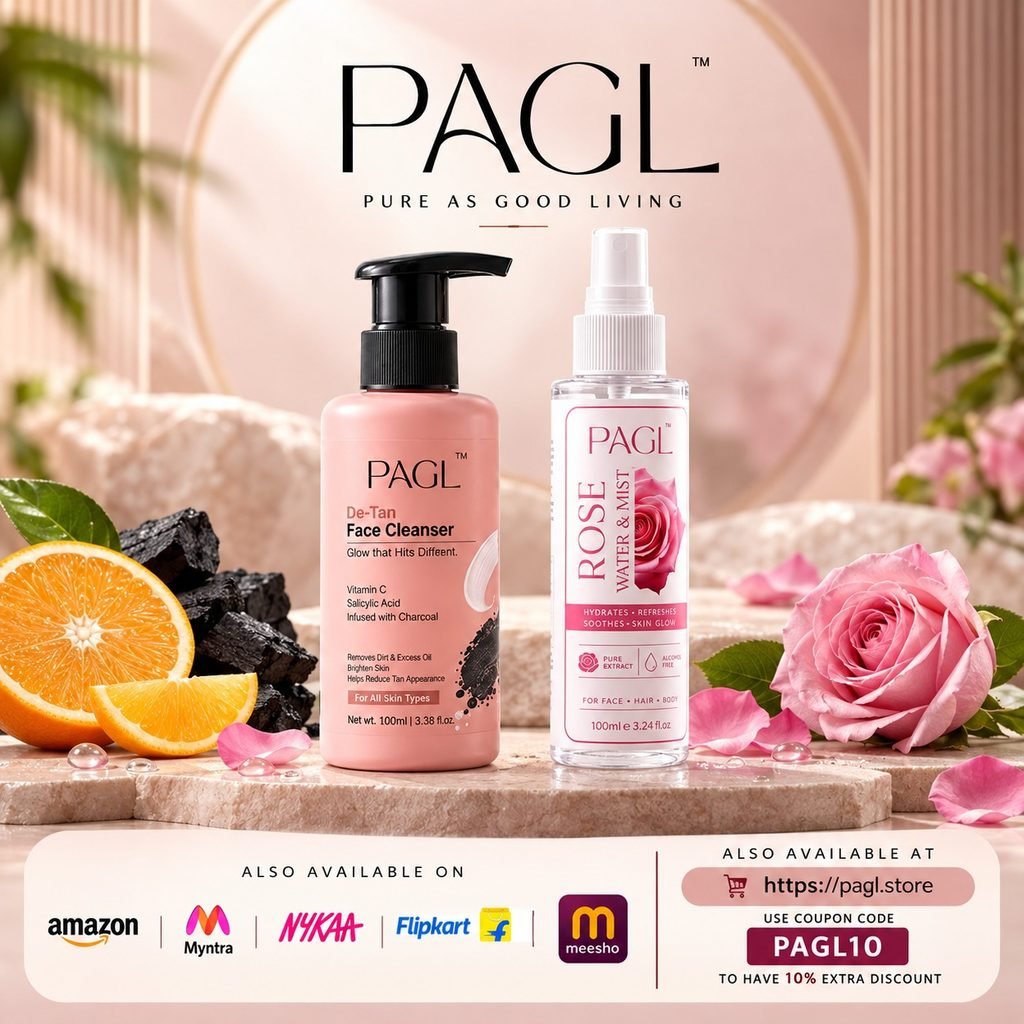
For a cleanser containing salicylic acid, you can consider the PAGL De-Tan Face Cleanser with Vitamin C and Salicylic Acid as one cleansing option within a broader skincare routine.
It is important to understand that a cleanser is only one part of acne management. It should not be treated as a complete acne treatment on its own.
3. Do Not Scrub Your Pimples
One of the most common mistakes people make when they notice acne is scrubbing harder.
You may think:
“Maybe my pores are dirty, so I need to clean them more aggressively.”
But acne is not dirt that can simply be scrubbed away.
Rough scrubs and excessive exfoliation can irritate already-inflamed skin.
Instead:
- Use gentle movements
- Avoid rough face scrubs
- Avoid abrasive brushes
- Do not scrub active pimples
- Rinse with comfortable-temperature water
- Pat your skin dry with a clean towel
Gentle skincare is usually a better approach for acne-prone skin.
4. Stop Picking and Popping Pimples
This can be difficult.
You see a whitehead or pimple in the mirror and instinctively want to squeeze it.
Try not to.
Picking, squeezing or popping acne can increase inflammation and raise the risk of scarring and dark marks.
This is particularly important if your skin tends to develop post-inflammatory hyperpigmentation after breakouts.
Instead of squeezing the pimple, allow an appropriate acne treatment to work.
If you have a deep, painful pimple, professional treatment may be a better option than trying to drain it yourself.
5. Keep Your Skincare Routine Simple
When acne appears, it is tempting to buy everything.
You might add:
- Face scrub
- Acne serum
- Toner
- Face mask
- Exfoliating acid
- Spot treatment
- Multiple cleansers
- Home remedies
Within a few days, your skin may become irritated and you may not know which product caused the problem.
A better approach is to keep your routine simple.
A basic routine can be:
Morning:
Cleanser → Moisturiser → Sunscreen
Night:
Cleanser → Acne treatment if required → Moisturiser
You can add other products based on your skin’s needs, but there is no requirement to use ten products just because they are trending online.
6. Use the Right Acne-Fighting Ingredient
Different acne ingredients work in different ways.
Salicylic Acid
Salicylic acid can help unclog pores and is particularly useful for blackheads and whiteheads.
It is commonly found in cleansers, gels and other acne products.
Benzoyl Peroxide
Benzoyl peroxide can reduce acne-causing bacteria and is commonly used for inflammatory acne.
It can cause dryness or irritation in some people, so follow the product directions carefully.
It can also bleach fabrics such as towels and pillowcases.
Adapalene
Adapalene is a topical retinoid that helps unclog pores and prevent new acne lesions.
It is commonly used for acne treatment, but it can initially cause irritation or dryness.
If you are pregnant or trying to become pregnant, speak with a healthcare professional before using acne treatments, particularly retinoid products.
Azelaic Acid
Azelaic acid can help with acne and may also help reduce the appearance of dark marks left after acne.
Which ingredient is most appropriate depends on your type and severity of acne.
If you are unsure, a dermatologist or pharmacist can help you choose an appropriate option.

7. Moisturise Even If Your Skin Is Oily
This may sound strange.
If your face already looks oily, why would you apply moisturiser?
Because acne treatments can sometimes dry or irritate the skin.
When the skin becomes excessively dry, your routine can become harder to tolerate.
Instead of completely skipping moisturiser, look for a lightweight product that suits acne-prone skin.
A product labelled non-comedogenic is designed to be less likely to clog pores.
A simple routine can therefore be:
Cleanser → Acne treatment → Moisturiser
You can then use sunscreen during the day.
8. Protect Your Skin From the Sun
Sun protection is important even when your main concern is acne.
Inflammation from acne can leave behind dark marks, and UV exposure can make pigmentation concerns more noticeable.
Use a broad-spectrum sunscreen with SPF 30 or higher when outdoors.
Choose a sunscreen that feels comfortable on your skin and is labelled non-comedogenic if you are concerned about clogged pores.
Do not skip sunscreen simply because your skin is oily.
Instead, choose a lightweight formula that you can apply consistently.
9. Keep Hair and Hair Products Away From Your Face
Sometimes acne around the forehead and hairline can be affected by hair products or oily hair.
Hair oils, styling products and other products can come into contact with facial skin.
If you notice breakouts around your forehead or hairline, consider whether your hair products could be contributing.
Simple habits can help:
- Keep oily hair away from your face
- Wash your hair regularly
- Avoid letting heavy hair products sit on facial skin
- Change pillowcases regularly
- Clean items that frequently touch your face
This does not mean hair products are always the cause of acne, but they can be one factor worth considering.
Featured Products
-
De-Tan Face Cleanser with Vitamin C, Salicylic Acid & Charcoal
Original price was: ₹599.00.₹540.00Current price is: ₹540.00. -
Rose Water Face Mist Spray | Natural Toner for Face, Skin & Hair | Hydrating, Refreshing & Alcohol-Free
Original price was: ₹199.00.₹180.00Current price is: ₹180.00.


10. Give Your Acne Treatment Time
One of the biggest reasons people struggle with acne routines is impatience.
You use a product for three days.
Nothing changes.
You switch products.
A week later, you try another serum.
Then another cleanser.
This constant switching can irritate your skin and makes it difficult to know what is actually helping.
Acne treatments generally require consistent use over several weeks.
Some people may begin noticing improvement after four to eight weeks, while clearer skin can take longer.
If a product is working and your skin tolerates it, consistency is important.
What Is the Best Face Wash for Acne?
There is no single face wash that works for every person with acne.
When choosing a cleanser, consider your skin type and the type of acne you experience.
For oily or acne-prone skin, ingredients such as salicylic acid may be useful.
However, if your skin is sensitive or already irritated from acne treatments, a gentle cleanser may be more appropriate.
Avoid assuming that a cleanser needs to leave your face extremely dry or “squeaky clean” to be effective.
A cleanser should clean your skin without unnecessarily irritating it.
If you want to include salicylic acid in your cleansing routine, you can explore the PAGL De-Tan Face Cleanser with Vitamin C and Salicylic Acid.
Remember:
A cleanser cleans your skin. It does not replace a complete acne treatment plan.
Can Rose Water Be Used on Acne-Prone Skin?
Rose water is often used as a refreshing skincare step.
If you enjoy using a face mist, you can include it after cleansing and before moisturiser.
For example:
Cleanser → Rose Water Face Mist → Moisturiser
The PAGL Rose Water Face Mist can be used as a refreshing step in a skincare routine.
However, rose water should not be considered an acne treatment.
If you have active acne, the most important thing is to use appropriate acne-friendly skincare and avoid irritating your skin.
Also, always check the ingredients of any product you use on acne-prone skin. A product that feels soothing for one person may irritate another.
What Should You Avoid If You Have Acne?
Sometimes preventing irritation is just as important as choosing the right products.
Avoid Harsh Face Scrubs
Scrubbing active acne can increase irritation.
Avoid Popping Pimples
This can increase the risk of scarring and dark marks.
Avoid Toothpaste on Pimples
Toothpaste is designed for teeth, not facial skin.
It may contain ingredients that irritate your skin and does not represent a reliable acne treatment.
Avoid Lemon Juice on Your Face
Lemon juice is a popular DIY skincare suggestion, but it can irritate facial skin.
Natural does not automatically mean safe for facial use.
Avoid Excessive Exfoliation
Using multiple acids, scrubs and exfoliating masks at the same time can damage the skin barrier.
Avoid Constantly Changing Products
Give an appropriate acne treatment enough time to work unless it causes significant irritation or another adverse reaction.
Can Diet Cause Acne?
People often search for specific foods that supposedly cause every breakout.
The reality is more complicated.
Acne is influenced by multiple factors, and there is no single food that can be blamed for every person’s acne.
The American Academy of Dermatology’s current acne guidelines note that evidence is insufficient to make broad recommendations for dietary changes as an acne treatment.
Instead of following extreme elimination diets because of social media trends, focus on an overall balanced eating pattern.
If you notice a consistent relationship between a particular food and your breakouts, discuss it with a healthcare professional rather than making major dietary restrictions on your own.
Does Stress Cause Face Acne?
Stress does not necessarily cause acne by itself, but it can be associated with worsening breakouts for some people.
Stress can affect sleep, daily habits and other factors that may influence your skin.
When you are stressed, you may also:
- Sleep less
- Touch your face more often
- Skip your skincare routine
- Eat differently
- Exercise less
- Pick at existing pimples
Instead of focusing only on skincare, consider your overall routine.
Adequate sleep, regular activity and stress-management habits can support your general wellbeing.
How to Stop Acne Without Damaging Your Skin
The goal should not be:
“How can I dry out my pimples as quickly as possible?”
A better goal is:
“How can I manage acne while keeping my skin healthy?”
This distinction matters.
If you use extremely strong products, scrub aggressively or apply multiple active ingredients at once, you may temporarily feel that your skin is “cleaner”, but irritation can make the situation worse.
A balanced routine is usually easier to maintain.
A Simple Anti-Acne Skincare Routine
Here is a simple starting framework.
Morning
1. Cleanser
Use a gentle cleanser or an acne-focused cleanser that suits your skin.
2. Hydrating Step
If you like using a face mist, you can use the [PAGL Rose Water Face Mist] after cleansing.
3. Moisturiser
Use a lightweight, non-comedogenic moisturiser if appropriate for your skin.
4. Sunscreen
Apply broad-spectrum SPF 30 or higher when outdoors.
Night
1. Cleanser
Remove sweat, oil, sunscreen and other products from your skin.
2. Acne Treatment
Use an appropriate acne treatment according to the product instructions or your dermatologist’s advice.
3. Moisturiser
Moisturise to help maintain skin comfort and reduce excessive dryness.
How Long Does It Take to Stop Face Acne?
Unfortunately, acne usually does not disappear overnight.
Depending on the treatment and severity of acne, improvement may take several weeks.
Dermatologists commonly recommend giving an acne treatment enough time to work rather than changing products every few days.
You may notice fewer breakouts before your skin becomes completely clear.
This is why consistency matters.
If you have been using an appropriate routine consistently and see no improvement after several weeks, it may be time to speak with a dermatologist.
When Should You See a Dermatologist?
Not every acne problem should be treated at home.
You should consider professional medical advice if:
- Your acne is severe
- You have large or painful pimples
- You have deep nodules or cysts
- Acne is leaving scars
- Your acne is spreading or becoming worse
- Over-the-counter treatments are not helping
- Acne is affecting your confidence or mental health
- You are unsure whether the bumps are actually acne
Deep nodules and cysts can cause permanent scarring and are more likely to require professional treatment.
Early treatment can also help reduce the risk of long-term marks and scars.
Acne and Dark Marks on Indian Skin
For many people with Indian or other darker skin tones, the pimple itself is only part of the problem.
After the inflammation disappears, a dark mark may remain.
This is called post-inflammatory hyperpigmentation, or PIH.
It can remain visible for weeks or months.
That is one reason why preventing acne from becoming severe is important.
Do not pick or squeeze pimples.
Use sunscreen consistently.
Treat active acne appropriately.
And avoid harsh DIY remedies that may cause additional irritation.
If dark marks are persistent, a dermatologist can recommend appropriate treatment.
Featured Products
-
De-Tan Face Cleanser with Vitamin C, Salicylic Acid & Charcoal
Original price was: ₹599.00.₹540.00Current price is: ₹540.00. -
Rose Water Face Mist Spray | Natural Toner for Face, Skin & Hair | Hydrating, Refreshing & Alcohol-Free
Original price was: ₹199.00.₹180.00Current price is: ₹180.00.
Common Mistakes That Can Make Acne Worse
Washing Your Face Too Many Times
More cleansing does not automatically mean clearer skin.
Scrubbing Hard
Acne-prone skin needs gentle treatment.
Using Too Many Active Ingredients
Combining multiple acids, retinoids, scrubs and acne treatments can increase irritation.
Picking Pimples
This increases the risk of scarring and dark marks.
Ignoring Moisturiser
Some acne treatments can dry your skin significantly.
Skipping Sunscreen
UV exposure can worsen pigmentation and damage the skin.
Expecting Overnight Results
Acne treatments need time.
Following Every Viral Skincare Hack
A trend on social media is not the same thing as evidence-based skincare.
A Beginner-Friendly PAGL Skincare Routine
If you are trying to keep your skincare routine simple, you can think about each product according to its role.
Morning
Cleanse → Hydrate → Moisturise → Sunscreen
A cleanser such as the [PAGL De-Tan Face Cleanser] can be used as the cleansing step according to your skin’s needs.
After cleansing, you can use the [PAGL Rose Water Face Mist] as an optional refreshing step.
Then apply moisturiser and finish with sunscreen.
Night
Cleanse → Acne Treatment if needed → Moisturise
The important point is that neither rose water nor a cleanser should be considered a standalone acne cure.
If you have persistent acne, choose an appropriate acne treatment or consult a dermatologist.
Frequently Asked Questions
1. How do I stop face acne?
Start with gentle cleansing, avoid picking or squeezing pimples, use non-comedogenic skincare, protect your skin from the sun and consider evidence-based acne ingredients such as salicylic acid or benzoyl peroxide when appropriate.
Persistent or severe acne may require treatment from a dermatologist.
2. How can I stop pimples from coming back?
The goal is not only to treat existing pimples but also to prevent new breakouts. Consistent acne treatment, gentle skincare and avoiding pore-clogging products can help.
Some acne treatments, such as topical retinoids, are specifically used to prevent new acne from forming.
3. Is salicylic acid good for acne?
Salicylic acid can help unclog pores and is commonly used for blackheads, whiteheads and some acne-prone skin. However, it can cause dryness or irritation in some people.
4. Should I wash my face more often if I have acne?
No. Washing excessively can irritate your skin. A gentle cleanse up to twice daily and after sweating is generally recommended.
5. Should I pop a pimple?
It is better not to pop or squeeze pimples. Doing so can increase inflammation and raise the risk of scars and dark marks.
6. Can rose water remove acne?
Rose water should not be considered an acne treatment. It can be used as a refreshing skincare step, but active acne generally requires appropriate acne-focused treatment.
7. Can moisturiser cause acne?
Some moisturisers may feel heavy or clog-prone for certain people. Look for a moisturiser labelled non-comedogenic if you have acne-prone skin.
8. Can sunscreen cause pimples?
Some sunscreen formulations may feel heavy or clog pores for certain individuals. If you are acne-prone, consider a sunscreen labelled non-comedogenic and choose a texture that suits your skin.
9. How long does acne treatment take to work?
Acne treatment usually takes several weeks to show meaningful improvement. Constantly changing products can irritate the skin and make it harder to judge whether a treatment is working.
10. When should I see a dermatologist for acne?
See a dermatologist if your acne is severe, painful, deep, scarring, persistent despite appropriate treatment or affecting your mental wellbeing.
Final Thoughts
Learning how to stop face acne is not about finding one magical product.
Acne is a complex skin condition, and what works for one person may not work for another.
The best starting point is usually a simple, consistent routine:
Cleanse gently → Treat appropriately → Moisturise → Protect from the sun
Avoid aggressive scrubbing, picking, squeezing and unproven DIY remedies.
If you have mild acne, evidence-based over-the-counter ingredients such as salicylic acid or benzoyl peroxide may help. If your acne is persistent, painful, deep or leaving scars, professional treatment is a better approach.
Most importantly, give your routine time.
Clearer-looking skin is usually the result of consistent care rather than an overnight transformation.
And remember that having acne does not mean you have dirty or unhealthy skin. Acne is common, manageable and treatable.
With the right approach, patience and professional help when necessary, you can work toward healthier-looking skin without constantly changing products or following every skincare trend online.












Leave a Reply