
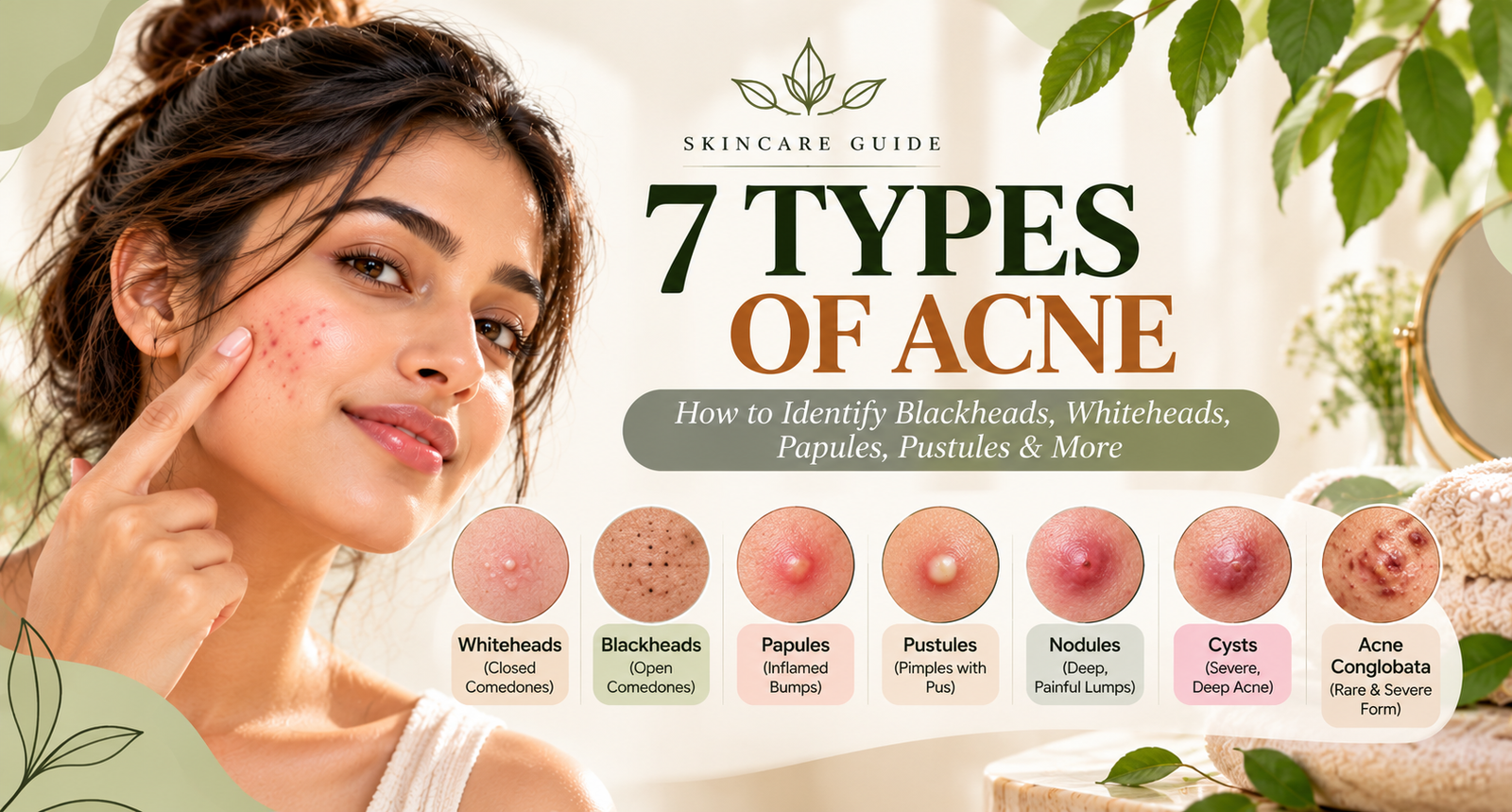
Not every pimple looks the same.
Some acne appears as tiny black dots on the nose. Some looks like small white bumps under the skin. Others are red, swollen and painful, while deeper breakouts can feel like hard lumps beneath the skin.
Understanding what type of acne you have can help you choose a more appropriate skincare approach and know when it is time to see a dermatologist.
Acne is a common skin condition that can affect the face, chest, back and other areas containing oil-producing glands. It develops when hair follicles become blocked with oil and dead skin cells, followed by inflammation and other processes that can produce different types of lesions.
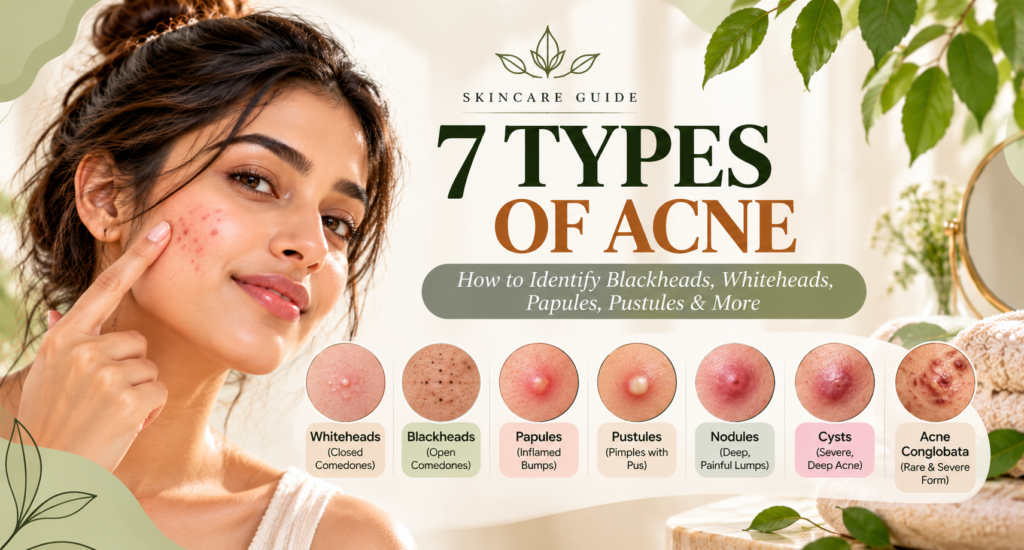
Dermatology and NHS resources generally identify six main acne spot types:
- Blackheads
- Whiteheads
- Papules
- Pustules
- Nodules
- Cysts
However, some discussions of the 7 types of acne include a severe form called acne conglobata as an additional category.
In this guide, we will explain all seven, how they look, what causes them, which ones are generally mild or severe, what you should avoid doing and when professional treatment may be necessary.
What Causes Different Types of Acne?
Before looking at the different types, it helps to understand how acne develops.
Your skin contains hair follicles connected to sebaceous glands. These glands produce sebum, an oily substance that helps lubricate the skin.
Acne can develop when a follicle becomes blocked with excess oil and dead skin cells.
Depending on what happens inside and around the follicle, the lesion can develop into a blackhead, whitehead, papule, pustule, nodule or cyst.
Inflammation plays an important role as acne progresses.
This is why a tiny clogged pore can sometimes develop into a large, painful lump.
Acne is not simply a result of having a dirty face.
In fact, aggressively scrubbing acne-prone skin can irritate it and potentially make the situation worse. The NHS recommends gentle cleansing and advises against squeezing or trying to “clean out” blackheads.

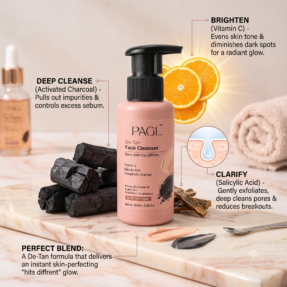
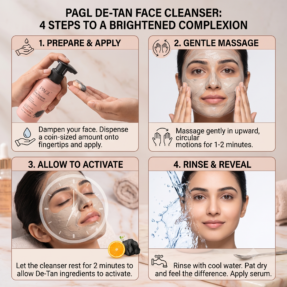
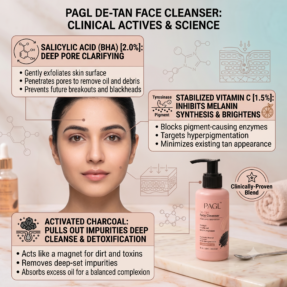
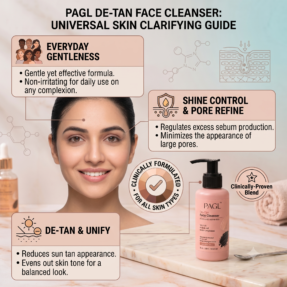
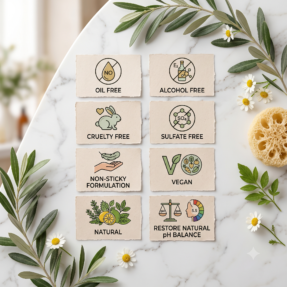

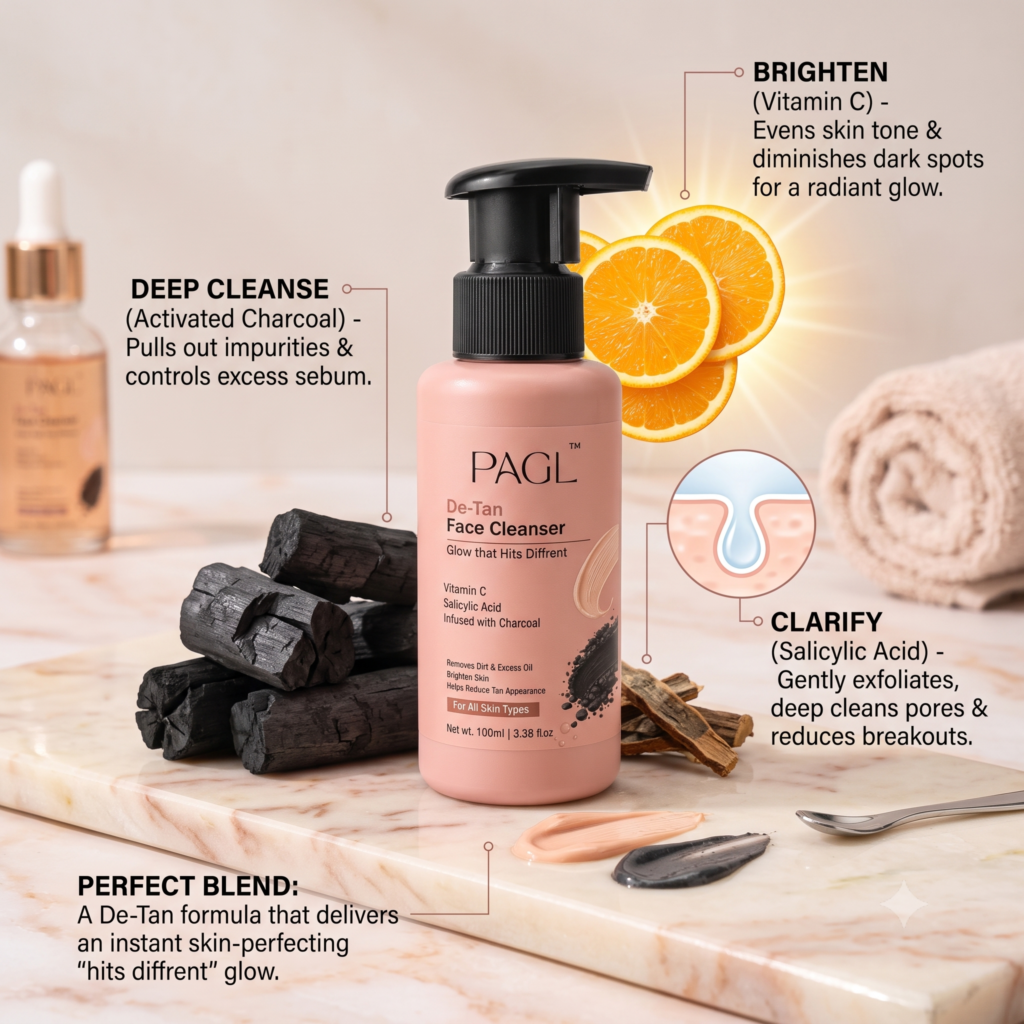
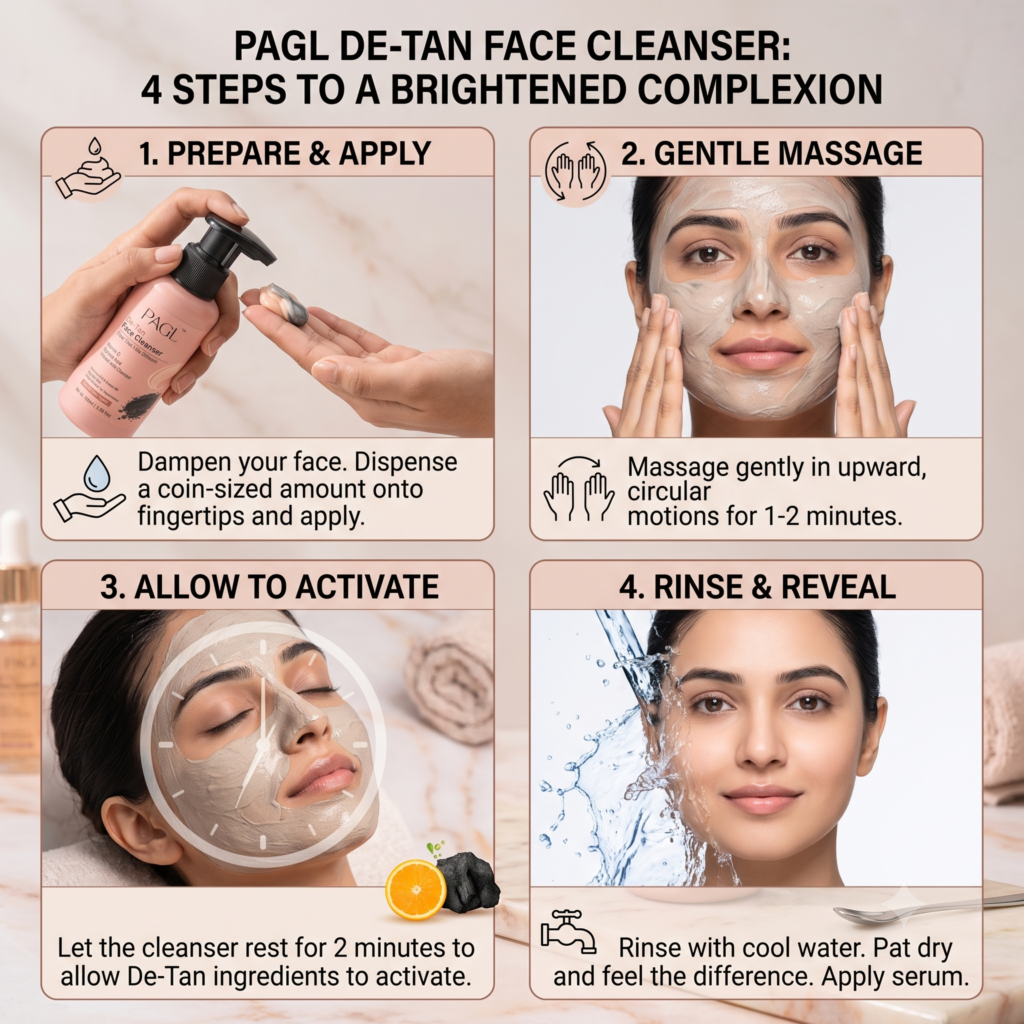
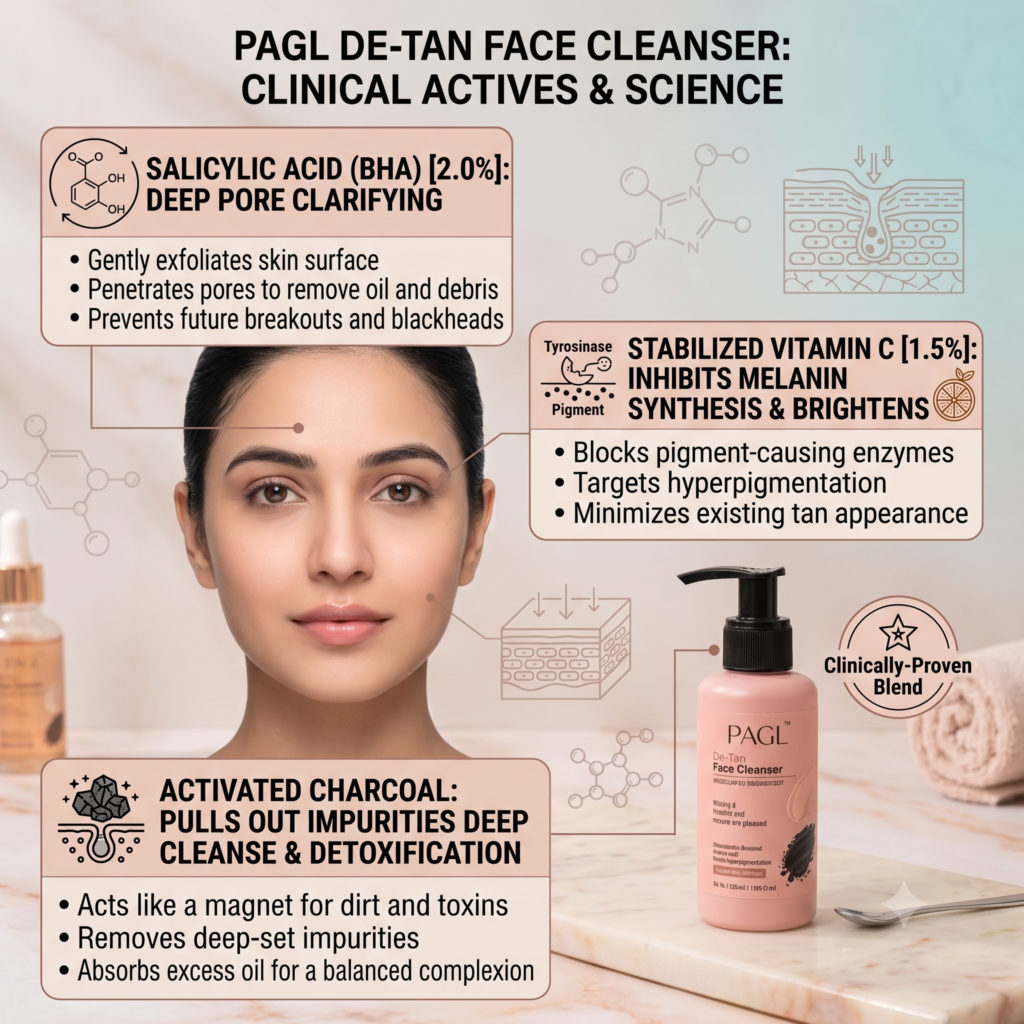
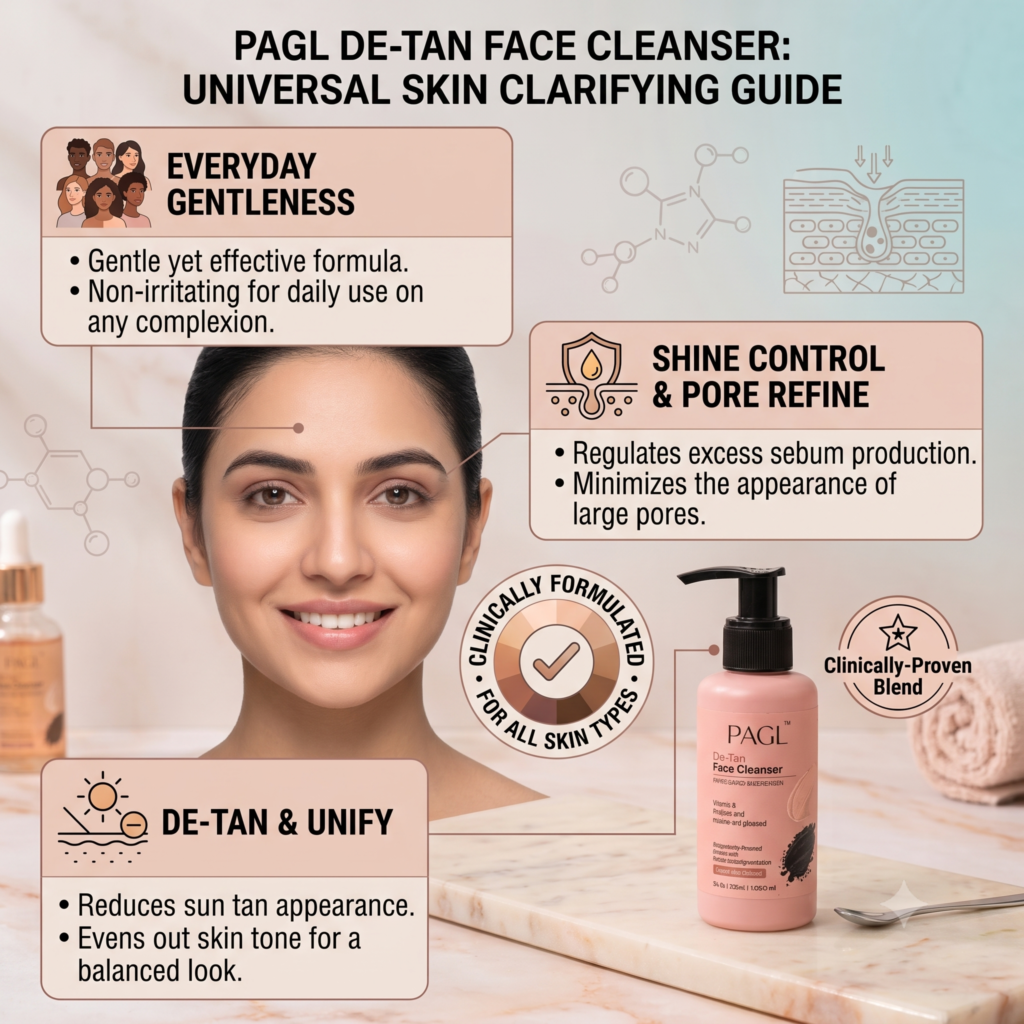
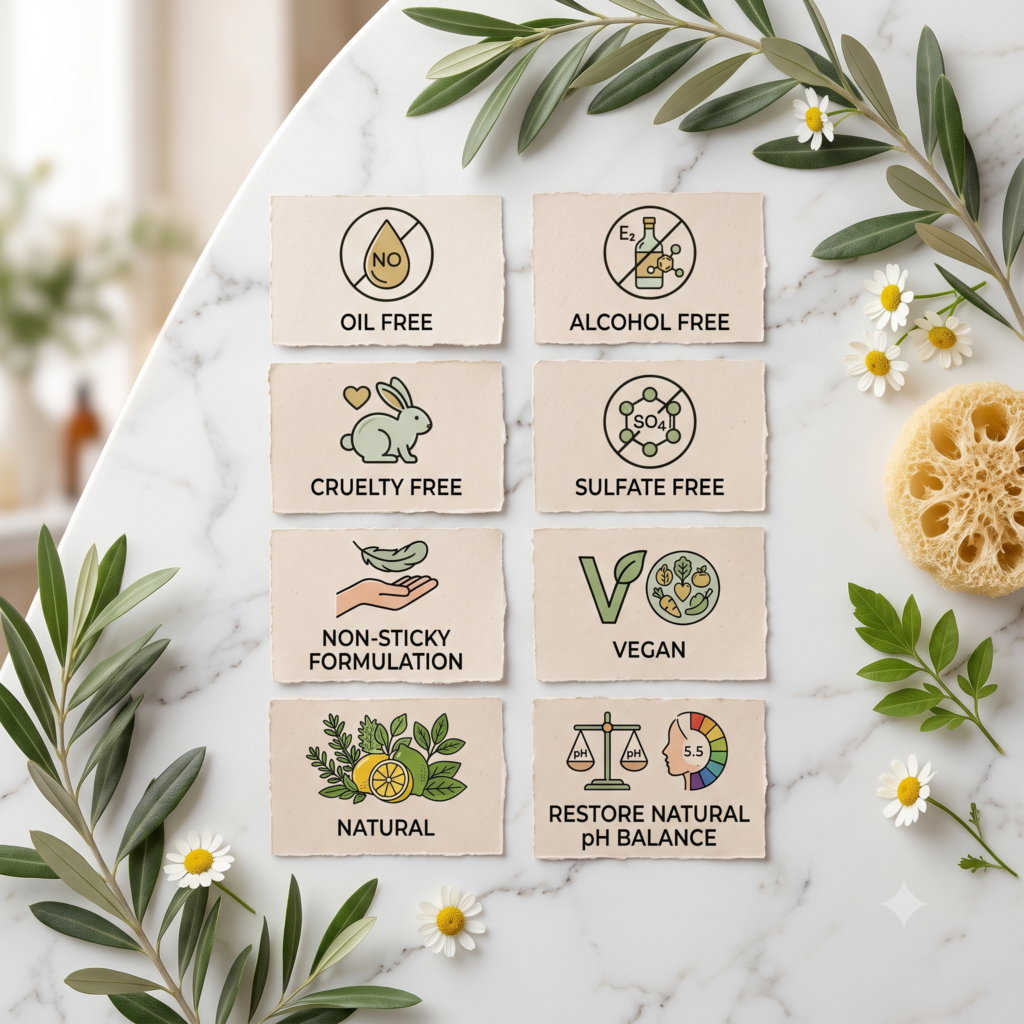
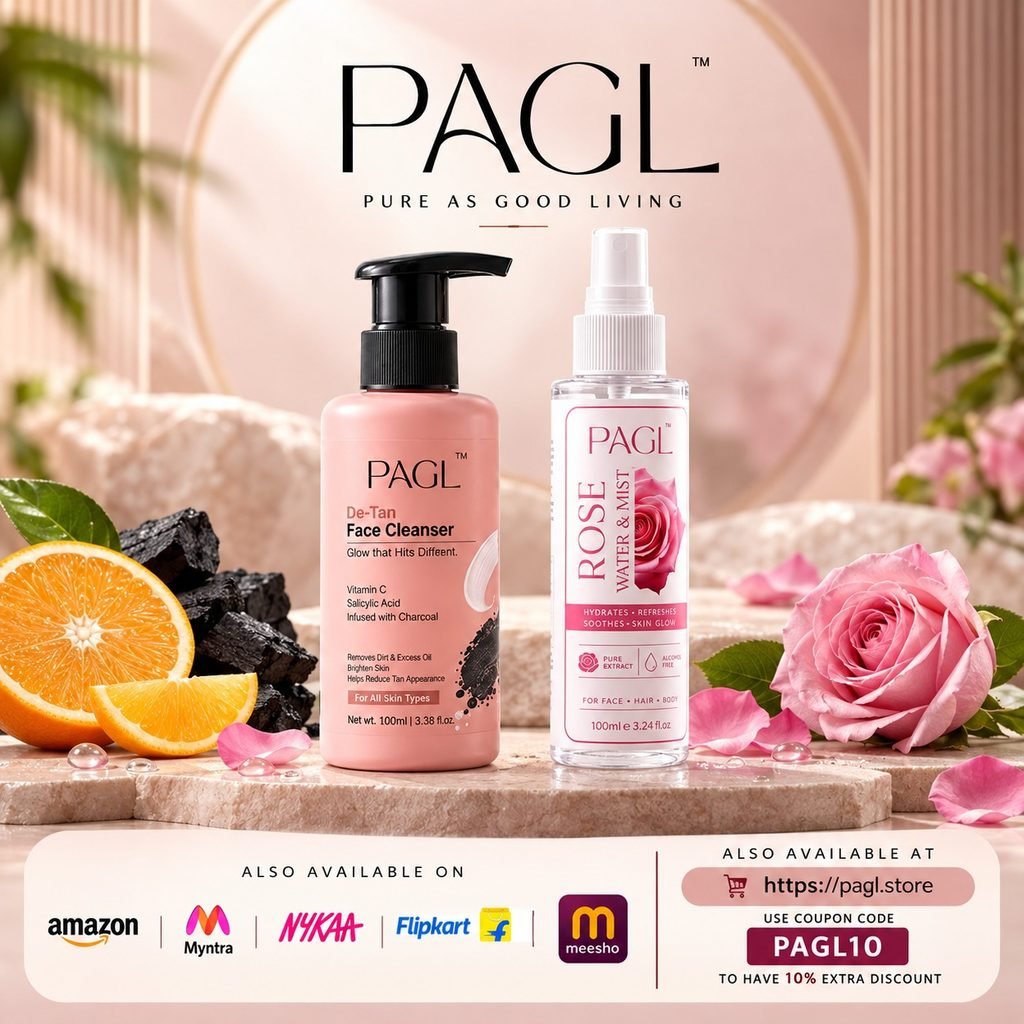
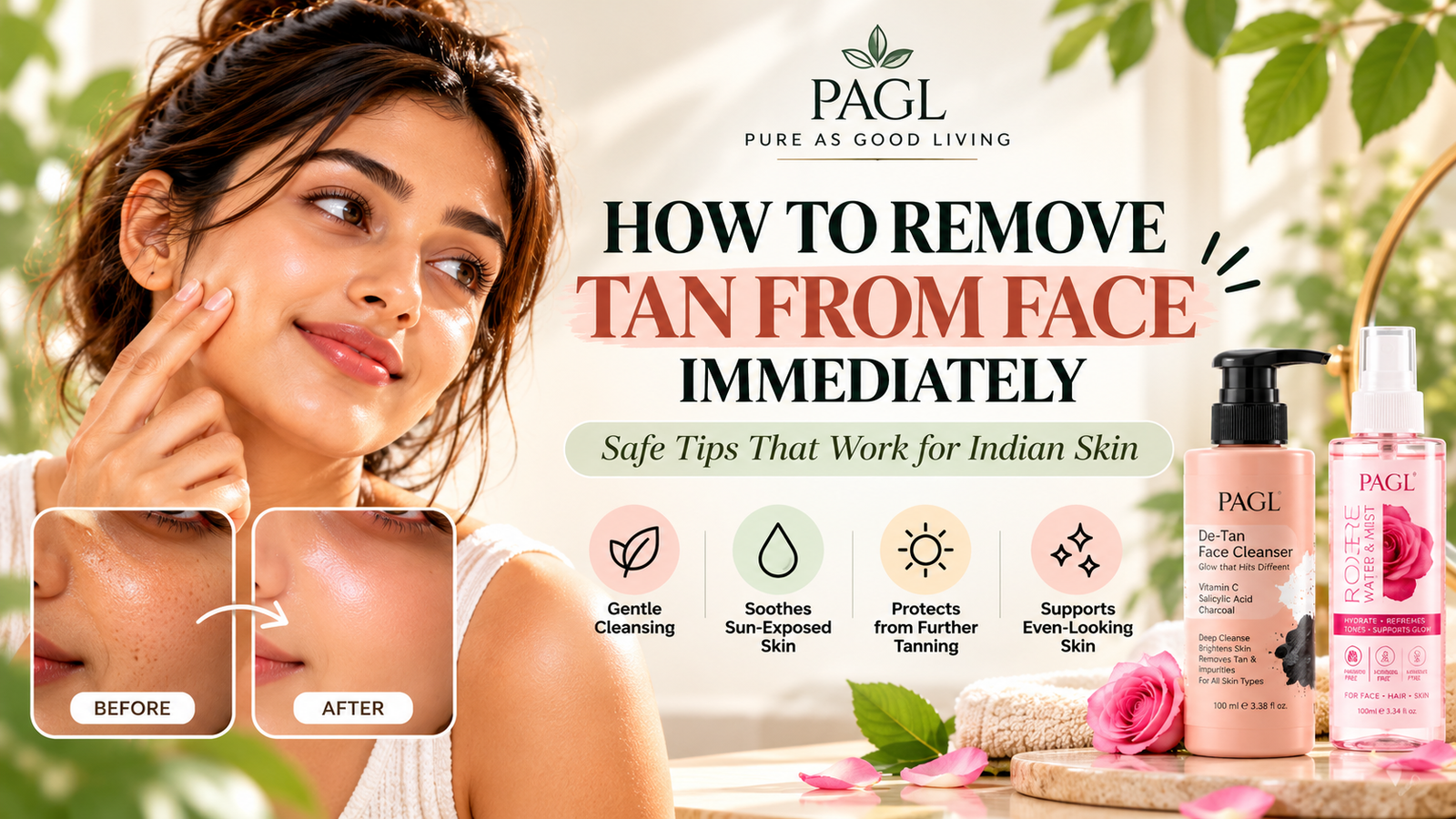
De-Tan Face Cleanser with Vitamin C, Salicylic Acid & Charcoal
De-Tan Face Cleanser helps restore your skin’s natural radiance with every wash. The advanced formula works to brighten skin, improve texture, and leave your face feeling fresh, clean, and revitalized.
The 7 Types of Acne
1. Whiteheads
Whiteheads are one of the most common forms of acne.
They are also called closed comedones.
A whitehead develops when a pore becomes clogged but remains closed at the surface.
You may notice:
- Small skin-coloured bumps
- Small white or pale bumps
- A rough or uneven texture
- Multiple tiny bumps across the forehead or cheeks
Whiteheads usually do not look dramatically inflamed.
They can be particularly noticeable under certain lighting or when you run your fingers over your skin.
Why Do Whiteheads Form?
Whiteheads can develop when excess oil and dead skin cells accumulate inside a hair follicle.
Hormonal changes can increase oil production, which is one reason acne is particularly common during adolescence.
Should You Squeeze Whiteheads?
It is better not to.
Trying to squeeze or dig out a whitehead can irritate the surrounding skin and increase the risk of inflammation and marks.
If you frequently have whiteheads, ingredients such as salicylic acid or topical retinoids may be useful depending on your individual situation. The American Academy of Dermatology notes that retinoids can help unclog pores and treat blackheads and whiteheads.

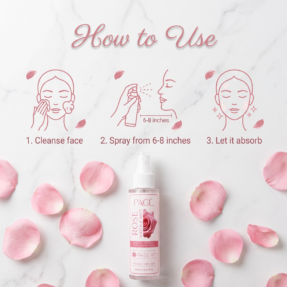
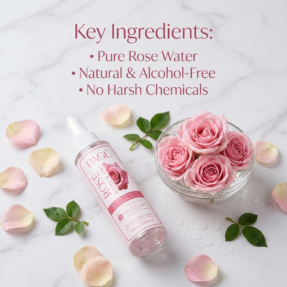


Rose Water Face Mist Spray | Natural Toner for Face, Skin & Hair | Hydrating, Refreshing & Alcohol-Free
Refresh and hydrate your skin with every spray. Alcohol-free rose water for a naturally radiant glow.
Instantly soothe, tone, and revitalize your skin with pure rose water. Perfect for everyday hydration.
2. Blackheads
Blackheads are also called open comedones.
They occur when a clogged pore remains open at the surface.
The material inside the pore reacts with air and becomes dark.
This leads to one of the biggest acne misconceptions:
Blackheads are not dirt.
The dark colour does not mean that your skin is dirty.
The NHS specifically notes that blackheads are not filled with dirt and that the colour develops from changes within the follicle.
Blackheads commonly appear on:
- Nose
- Forehead
- Chin
- Cheeks
- Other areas with more oil production
Why Should You Not Scrub Blackheads?
Many people use harsh scrubs because they think blackheads are dirt sitting on top of the skin.
But aggressive scrubbing does not solve the underlying blockage.
It can instead irritate the skin.
If blackheads are persistent, an appropriate acne treatment may be more useful than repeatedly scrubbing your face.
3. Papules
Papules are a type of inflammatory acne.
Unlike blackheads and whiteheads, papules are usually red or darker-coloured raised bumps caused by inflammation.
They may feel:
- Tender
- Sore
- Firm
- Swollen
Papules generally do not contain a visible pocket of pus.
They can appear individually or in groups.
If you have many papules, your skin may feel rough or uneven.
The AAD describes papules as small, red inflammatory bumps that can develop when excess oil, bacteria and dead skin cells contribute to inflammation deeper in the follicle.
What Should You Do With Papules?
Avoid squeezing them.
Picking at inflamed acne can increase inflammation and increase the likelihood of pigmentation and scarring.
Depending on the severity, acne treatments containing ingredients such as benzoyl peroxide or salicylic acid may be recommended.
If you have many inflamed lesions, a dermatologist can help determine the most appropriate treatment.
4. Pustules
Pustules are often what people mean when they say:
“I have a pimple with a white head.”
They are inflamed bumps containing pus.
You may notice:
- Red or inflamed skin around the lesion
- A white or yellow centre
- Tenderness
- A raised appearance
The white or yellow centre is what differentiates a pustule from a typical papule.
Should You Pop a Pustule?
It can be very tempting.
However, squeezing it yourself can increase inflammation and potentially contribute to scarring or pigmentation.
The AAD specifically advises against popping pustules because doing so can worsen acne.
If you frequently develop pustules, you may need a more structured acne treatment routine.
5. Nodules
Nodules are significantly deeper than ordinary pimples.
They develop deeper within the skin and can feel like hard, painful lumps.
Unlike a small whitehead or blackhead, a nodule may not have an obvious head.
You may primarily feel it beneath the skin.
Nodules are considered a more severe form of acne and can increase the risk of permanent scarring.
The AAD notes that acne nodules penetrate deeply into the skin and often require treatment from a dermatologist.
Why Are Nodules More Serious?
Because they develop deep within the skin, trying to squeeze them can cause significant inflammation and tissue damage.
If you have repeated painful nodules, do not rely only on home skincare.
A dermatologist can assess the severity and recommend appropriate treatment.

6. Cysts
Cysts are among the most severe acne lesions.
They are deep, inflamed and often painful.
They can look like large, swollen lumps and may contain pus.
According to the NHS, cysts are the most severe type of acne spot and carry a high risk of permanent scarring.
Cystic acne can affect:
- Face
- Jawline
- Neck
- Chest
- Back
What Should You Do If You Have Cystic Acne?
Do not attempt to pop or drain deep cysts yourself.
This can increase inflammation and scarring.
If you repeatedly develop cysts, consult a dermatologist.
Severe acne often requires treatment stronger than basic skincare products.
The sooner severe acne is appropriately treated, the better the opportunity to reduce ongoing inflammation and scarring.
7. Acne Conglobata
Acne conglobata is a rare and severe form of acne.
It is different from the six common lesion types discussed above.
It can involve:
- Numerous inflammatory nodules
- Cysts
- Deep interconnected lesions
- Extensive inflammation
- Significant scarring
Acne conglobata is not something that should be treated simply by changing your face wash.
If you suspect that you have a severe form of acne, professional dermatological assessment is important.
Why Is Acne Conglobata Different?
Ordinary blackheads and whiteheads can often be managed with appropriate skincare and over-the-counter treatments.
Severe forms of acne involving deep nodules, cysts and extensive inflammation require a different level of care.
This is why recognising the type and severity of your acne matters.
Are There Really 7 Types of Acne?
This is an important question because you may find different answers online.
The answer depends on whether you are talking about individual acne lesions or forms and subtypes of acne.
The NHS identifies six main types of acne spots:
- Blackheads
- Whiteheads
- Papules
- Pustules
- Nodules
- Cysts
Some articles discussing seven types add a severe subtype such as acne conglobata.
So if you search for “7 types of acne,” do not assume that every source is using the same classification system.
The more useful approach is to understand the individual lesions and their severity.
Non-Inflammatory vs Inflammatory Acne
Another simple way to understand acne is to divide lesions into two broad categories.
Non-Inflammatory Acne
This generally includes:
- Blackheads
- Whiteheads
These are known as comedonal acne.
They primarily involve clogged pores.
Inflammatory Acne
This includes:
- Papules
- Pustules
- Nodules
- Cysts
These lesions involve inflammation.
Nodules and cysts are deeper and are associated with a higher risk of scarring.
Understanding this difference can help explain why the same product does not necessarily work equally well for every type of acne.
Which Type of Acne Is the Mildest?
Blackheads and whiteheads are generally associated with milder, non-inflammatory acne.
However, the overall severity of acne depends on the number, type and distribution of lesions.
Someone may have a few blackheads and whiteheads, while another person may have widespread comedones along with inflammatory lesions.
The NHS describes mild acne as predominantly blackheads and whiteheads with a smaller number of papules or pustules. More widespread inflammatory acne may be classified as moderate, while severe acne can involve numerous papules, pustules, nodules or cysts and may include scarring.
Which Type of Acne Is Most Likely to Cause Scars?
Deep inflammatory acne, particularly nodules and cysts, carries a higher risk of permanent scarring.
However, picking and squeezing acne can also increase the risk of marks and scars.
The AAD warns that deep nodules and cysts often cause permanent acne scars when they heal.
This is one reason why severe acne should be treated early rather than repeatedly squeezed or ignored.
Acne Marks vs Acne Scars
These terms are often confused.
A dark or red mark left behind after a pimple is not necessarily a permanent scar.
Post-inflammatory marks can gradually fade.
An actual acne scar involves a change in the structure or texture of the skin.
Examples include:
- Depressed scars
- Ice-pick scars
- Rolling scars
- Raised scars
If your acne is repeatedly leaving textural changes, professional treatment may be appropriate.
Can Your Acne Type Change?
Yes.
A single person can experience different types of acne at different times.
For example, you may have:
Morning: Several blackheads
A few days later: An inflamed papule
Later: A pustule
You may also have multiple lesion types at the same time.
This is completely possible because acne can develop through different stages of follicular blockage and inflammation.
Acne on Different Parts of the Face
Different areas can experience different patterns.
Forehead Acne
Forehead bumps may include whiteheads, blackheads and small inflammatory lesions.
Hair products can sometimes contribute to breakouts around the hairline.
If you frequently experience forehead acne, consider whether oily hair or styling products are contacting your skin.
Nose Acne
The nose commonly develops blackheads because it contains many sebaceous glands.
However, not every dark dot on the nose is necessarily a blackhead.
Some may be sebaceous filaments, which are normal structures associated with hair follicles and sebum.
Trying to squeeze them repeatedly can irritate your skin.
Cheek Acne
Cheek acne can include comedones, papules and pustules.
Potential contributing factors vary and can include hormones, skincare products, friction and other individual factors.
Jawline Acne
Jawline acne is often discussed in connection with hormonal acne, particularly in adult women.
However, acne location alone cannot confirm a hormonal cause.
If acne suddenly develops in adulthood, especially alongside other hormonal symptoms, discuss it with a healthcare professional.
How Should You Treat Different Types of Acne?
Different acne lesions can respond differently to treatment.
The AAD notes that different acne treatments target different processes, including clogged pores, bacteria, oil and inflammation.
For Blackheads and Whiteheads
Ingredients such as topical retinoids can help unclog pores.
Salicylic acid may also help remove dead skin cells and unclog pores.
For Papules and Pustules
Treatments containing benzoyl peroxide or other acne-focused ingredients may be useful depending on the individual.
If you have numerous inflammatory lesions, professional advice can be helpful.
For Nodules and Cysts
Deep painful acne generally deserves professional assessment.
Do not attempt to squeeze or drain these lesions yourself.
The NHS recommends seeking medical advice for moderate or severe acne, while the AAD notes that nodules and cysts often require a dermatologist’s help.
Can a Cleanser Help Different Types of Acne?
A cleanser can be an important part of an acne-friendly skincare routine, particularly when it contains an appropriate active ingredient.
Salicylic acid is commonly used in acne skincare and can help unclog pores.
For example, the PAGL De-Tan Face Cleanser with Vitamin C and Salicylic Acid can be considered as a cleansing step if it suits your skin.
However, it is important to understand the role of a cleanser.
A cleanser is not a complete treatment for severe acne.
If you have nodules, cysts, extensive inflammation or scarring, speak with a dermatologist.
Can Rose Water Be Used on Acne-Prone Skin?
Rose water is commonly used as a refreshing skincare step.
If your skin tolerates it well, you can use a face mist after cleansing.
For example:
Cleanser → PAGL Rose Water Face Mist → Moisturiser
A face mist can make your routine feel refreshing, particularly in hot or humid weather.
However, rose water should not be considered a treatment for nodules, cysts, papules or pustules.
If you have active acne, focus on appropriate acne treatment.
A Simple Routine for Acne-Prone Skin
A complicated skincare routine is not necessary.
Morning
Step 1: Cleanse
Use a gentle or acne-appropriate cleanser.
The PAGL De-Tan Face Cleanser can be incorporated into your routine if it suits your skin.
Step 2: Hydrate
Use the PAGL Rose Water Face Mist as an optional refreshing step.
Step 3: Moisturise
Use a suitable moisturiser, particularly if your acne treatment causes dryness.
Step 4: Sunscreen
Apply broad-spectrum sunscreen with SPF 30 or higher during the daytime when appropriate.
Night
Step 1: Cleanse
Remove sunscreen, sweat, oil and other products.
Step 2: Acne Treatment
Use an appropriate evidence-based acne treatment if required.
Step 3: Moisturise
Keep your skin comfortable and avoid excessive dryness.
What You Should Not Do to Acne
Regardless of the type of acne you have, some habits can make your skin worse.
Do Not Pop Pimples
Popping acne can increase inflammation and increase the risk of scarring.
Do Not Scrub Aggressively
Acne is not dirt.
Harsh scrubbing can irritate the skin.
Do Not Use Too Many Active Ingredients
Combining several strong products can increase irritation.
Do Not Keep Changing Products
Give appropriate treatments time to work.
The AAD notes that acne treatments can take several weeks to show improvement.
Do Not Ignore Deep Acne
Nodules and cysts can scar.
Professional treatment is often the better option.
How Long Does Acne Treatment Take?
There is no universal timeline.
Some acne treatments can take several weeks before meaningful improvement becomes visible.
The NHS notes that acne treatment can take several months before symptoms improve.
This is why changing your entire skincare routine every few days can be counterproductive.
If your treatment is not irritating your skin and you have been using it correctly, give it enough time.
If your acne continues to worsen or does not respond, speak with a dermatologist.
When Should You See a Dermatologist?
Consider professional medical advice if you have:
- Painful nodules
- Cysts
- Severe inflammation
- Widespread acne
- Acne scars
- Acne that is worsening
- Acne that does not improve with appropriate over-the-counter treatment
- Acne that is affecting your confidence or wellbeing
Deep acne can cause permanent scarring, so early treatment is important.
You should also seek medical advice if you are unsure whether your skin condition is actually acne.
Not every bump, rash or spot is acne.
Frequently Asked Questions
1. What are the 7 types of acne?
The six commonly recognised acne lesion types are blackheads, whiteheads, papules, pustules, nodules and cysts. Some classifications add severe acne conglobata as a seventh category. The exact classification can vary depending on whether a source is describing individual lesions or broader acne subtypes.
2. What is the most common type of acne?
Blackheads, whiteheads and inflammatory pimples are all common acne lesions. Many people experience more than one type at the same time.
3. What is the difference between a blackhead and a whitehead?
A blackhead is an open clogged pore, while a whitehead is a closed clogged pore. The dark colour of a blackhead is not simply dirt.
4. What is the difference between a papule and a pustule?
A papule is a small inflamed bump without a visible pus-filled centre. A pustule is also inflamed but typically has a white or yellow centre containing pus.
5. What is the most painful type of acne?
Nodules and cysts are typically among the most painful acne lesions because they develop deeper in the skin.
6. Which type of acne causes scars?
Deep inflammatory lesions, particularly nodules and cysts, have a higher risk of causing permanent acne scars. Picking or squeezing acne can also increase the risk of scarring.
7. Can blackheads turn into pimples?
Yes. A clogged pore can become inflamed and develop into an inflammatory acne lesion.
8. Can I pop a pustule?
It is better not to pop it yourself. Squeezing acne can worsen inflammation and increase the risk of scarring and pigmentation.
9. Is salicylic acid good for acne?
Salicylic acid can help unclog pores and is commonly used for acne-prone skin. It may be particularly useful for comedonal acne, although individual skin tolerance varies.
10. Can rose water cure acne?
No. Rose water should not be considered a cure for acne. It can be an optional refreshing skincare step, but active acne may require evidence-based treatment.
11. Can a face cleanser remove acne?
A cleanser can help remove oil, sweat and impurities and some cleansers contain acne-focused ingredients. However, a cleanser alone may not be sufficient for moderate or severe acne.
12. When should I see a dermatologist for acne?
See a dermatologist if you have painful nodules or cysts, severe acne, scarring, widespread inflammation or acne that does not improve with appropriate treatment.
Final Thoughts
Understanding the different types of acne can make skincare much less confusing.
The six main acne lesions are:
Blackheads → Whiteheads → Papules → Pustules → Nodules → Cysts
Some sources also include acne conglobata when discussing seven types or forms of acne.
The important thing is not simply memorising the names.
Learn to recognise whether your skin is dealing mainly with clogged pores, inflammation or deeper lesions.
Blackheads and whiteheads may often be managed with an appropriate skincare routine and acne treatments.
Papules and pustules require more attention to inflammation.
Nodules and cysts are deeper and carry a greater risk of scarring, so professional treatment may be necessary.
For your daily skincare routine, keep things simple.
Cleanse → Treat → Moisturise → Protect
If you want to include salicylic acid in your cleansing routine, you can explore the PAGL De-Tan Face Cleanser with Vitamin C and Salicylic Acid based on your skin’s needs.
For an optional refreshing step, you can use the PAGL Rose Water Face Mist after cleansing if your skin tolerates it.
Neither product should be considered a standalone cure for acne.
And if you are dealing with painful nodules, cysts, severe acne or scarring, do not wait for skincare experiments to solve the problem.
A dermatologist can identify the type and severity of your acne and recommend appropriate treatment.
Healthy-looking skin is not about having zero pores or never experiencing a pimple.
It is about understanding your skin, treating it appropriately and being consistent with your routine.












Leave a Reply