
Waking up with a new pimple just before an office meeting, college day, family function or special occasion can be frustrating. If pimples keep appearing on your face, changing your face wash every few days or trying random home remedies may not solve the problem.
The key to managing recurring pimples is understanding what contributes to breakouts and following a consistent skincare routine that suits your skin.
If you are wondering how to stop pimples coming on your face, this guide explains practical steps for Indian skin, including how to cleanse correctly, choose skincare products, manage sweat and humidity, and understand when acne treatment may be necessary.
Pimples can develop because of excess oil, blocked hair follicles, inflammation, hormonal changes and genetic factors. Good skincare can help, but persistent or painful acne may require medical treatment.
Why Do Pimples Keep Coming on Your Face?
Before choosing products, it helps to understand why new pimples develop.
1. Excess oil production
Your skin naturally produces sebum, an oily substance that helps maintain the skin barrier. When excess oil combines with dead skin cells inside a hair follicle, the pore can become blocked and a pimple may develop.
People with oily skin may notice more frequent breakouts, but acne can also occur in people with normal or dry skin.
2. Blocked pores
Dead skin cells can accumulate inside hair follicles, contributing to blackheads, whiteheads and inflammatory pimples.
Using heavy products that do not suit your skin may also contribute to clogged pores. Look for products labelled non-comedogenic when possible.
3. Hormonal changes
Hormonal changes during puberty and adulthood can influence oil production. Some people experience recurring pimples around the chin and jawline or notice breakouts at particular times of their menstrual cycle.
If breakouts are persistent or accompanied by other hormonal symptoms, a healthcare professional can help assess possible causes.
4. Sweat, heat and humidity
Indian weather can make skincare challenging, especially during summer and the monsoon. Sweat, sunscreen, makeup and friction from helmets or masks may leave the skin feeling uncomfortable.
Sweat alone does not cause every pimple, but friction, trapped moisture and irritating products can contribute to breakouts in some people.
After heavy sweating, gently cleanse your skin when practical instead of rubbing it with a towel.
5. Picking and squeezing pimples
Popping a pimple may seem like a quick solution, but squeezing can increase inflammation and delay healing. It can also increase the risk of dark marks and permanent scars.
Avoid repeatedly touching your face throughout the day.
6. Skincare products that irritate your skin
Using several exfoliating acids, scrubs, strong cleansers and acne treatments together may damage the skin barrier and cause irritation.
A burning or excessively tight feeling after cleansing is not proof that a product is working. It may mean the product is too harsh for your skin.
How to Stop Pimples Coming on Your Face: 10 Practical Tips
There is no guaranteed way to prevent every pimple, but these habits can help reduce common triggers and support acne treatment.
1. Wash your face gently twice a day
Cleanse your face in the morning and evening, and after heavy sweating when needed. Use lukewarm water and a gentle cleanser.
Apply the cleanser with your fingertips. Avoid rough washcloths, harsh brushes and aggressive scrubbing.
Washing your face repeatedly throughout the day can irritate your skin and may make breakouts appear worse.
If you are choosing a cleanser, consider your skin type and existing routine. A product containing salicylic acid may help some people with clogged pores, but it can also cause dryness or irritation.
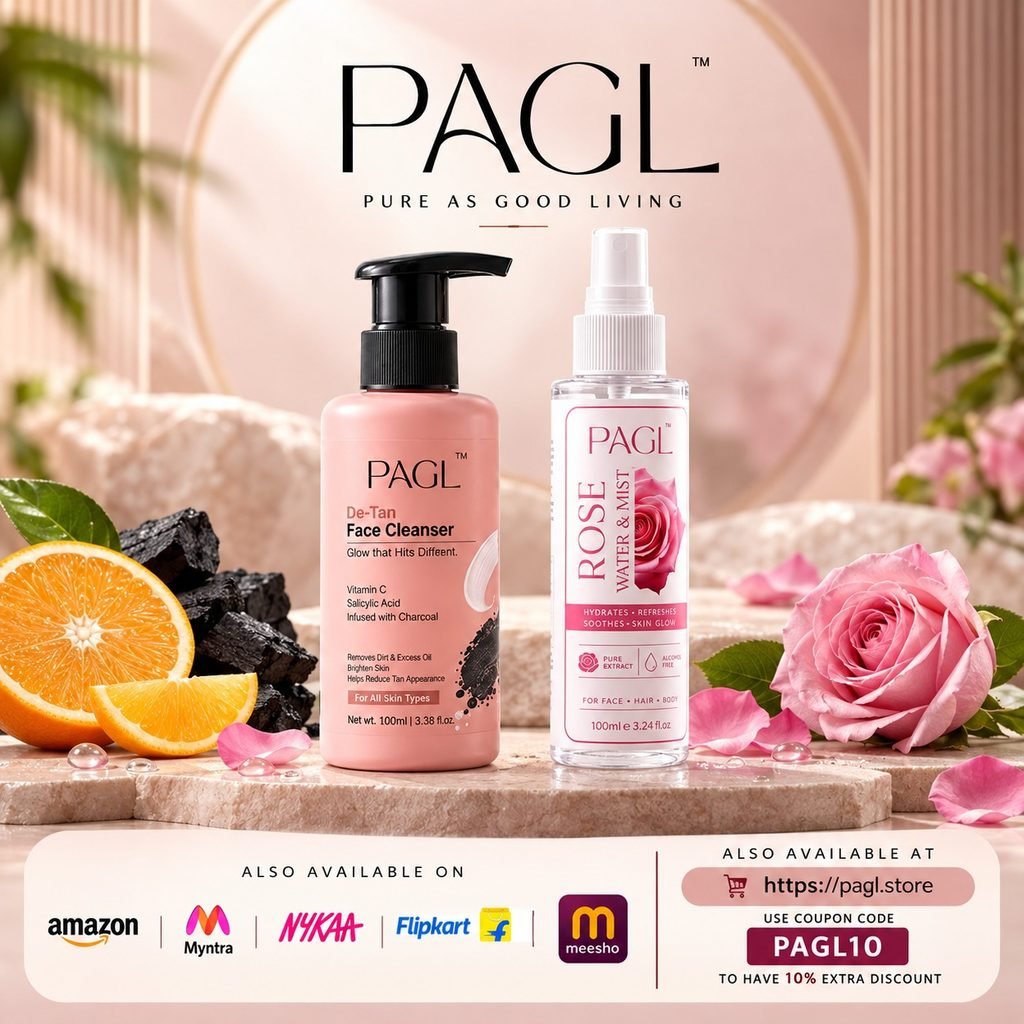
For example, the PAGL De-Tan Face Cleanser with Vitamin C, Salicylic Acid and Charcoal may be considered as a cleansing option if its formulation suits your skin. It should not be treated as a cure for acne.
2. Use a lightweight moisturiser
Many people with oily skin skip moisturiser because they worry it will make their face greasy. However, acne treatments can dry out the skin, and moisturising may help support the skin barrier.
Choose a lightweight, non-comedogenic moisturiser that feels comfortable on your skin.
If your face feels tight, flaky or irritated after washing, review your cleanser and moisturiser rather than increasing exfoliation.
3. Apply sunscreen every morning
Sun protection is an important part of a skincare routine, particularly if you have acne marks.
Choose a broad-spectrum sunscreen with SPF 30 or higher. A non-comedogenic formula may be preferable for acne-prone skin.
Reapply according to the product directions, especially when spending extended time outdoors or sweating.
Sunscreen does not directly prevent every pimple, but it helps protect skin from UV damage and can reduce the chance of post-acne marks becoming darker.

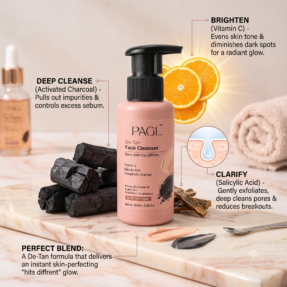
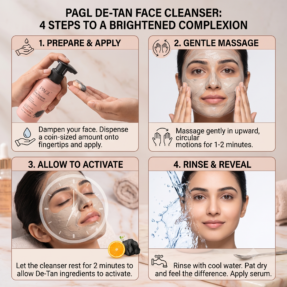
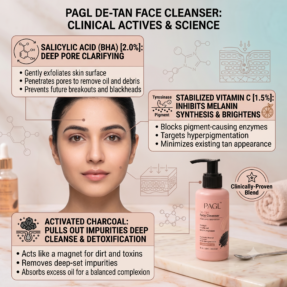
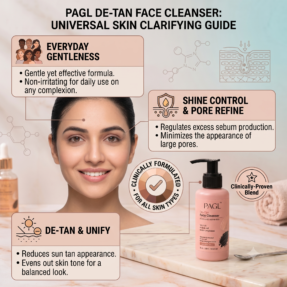

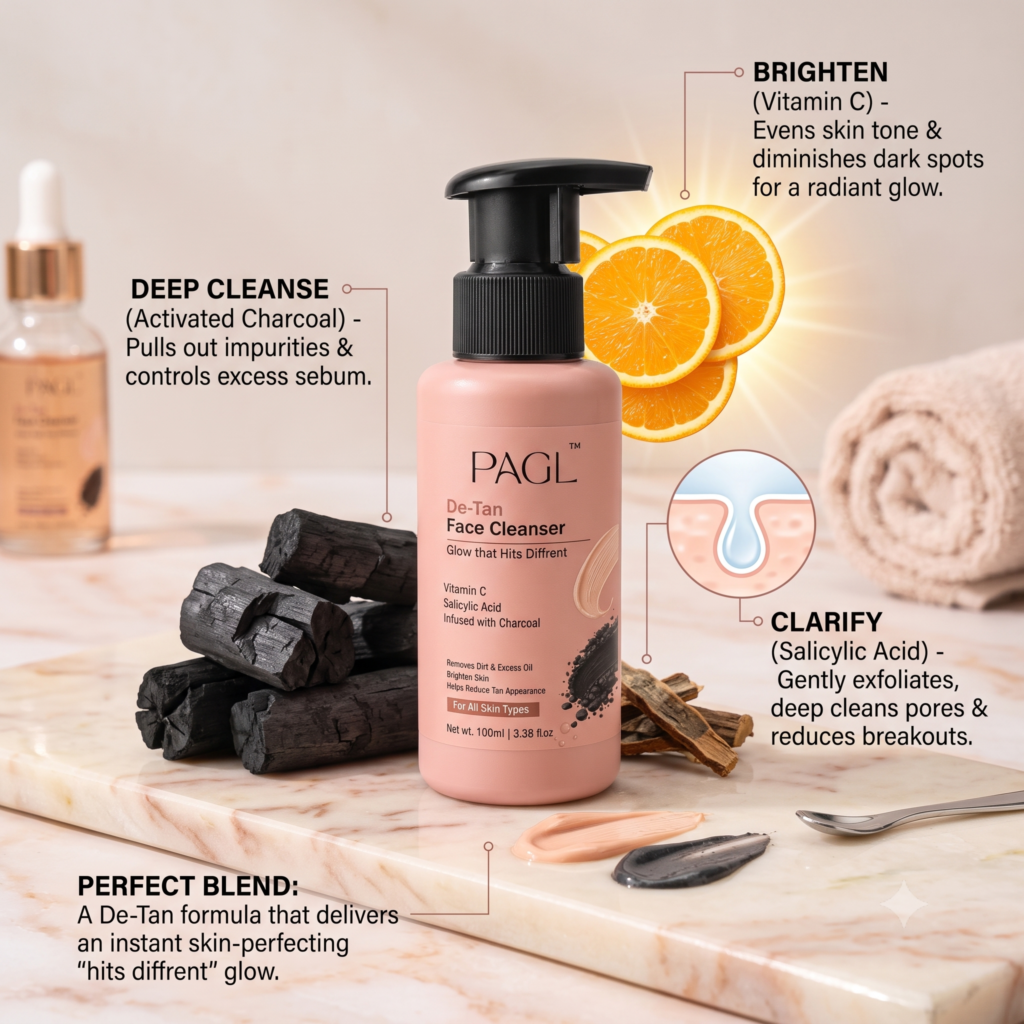
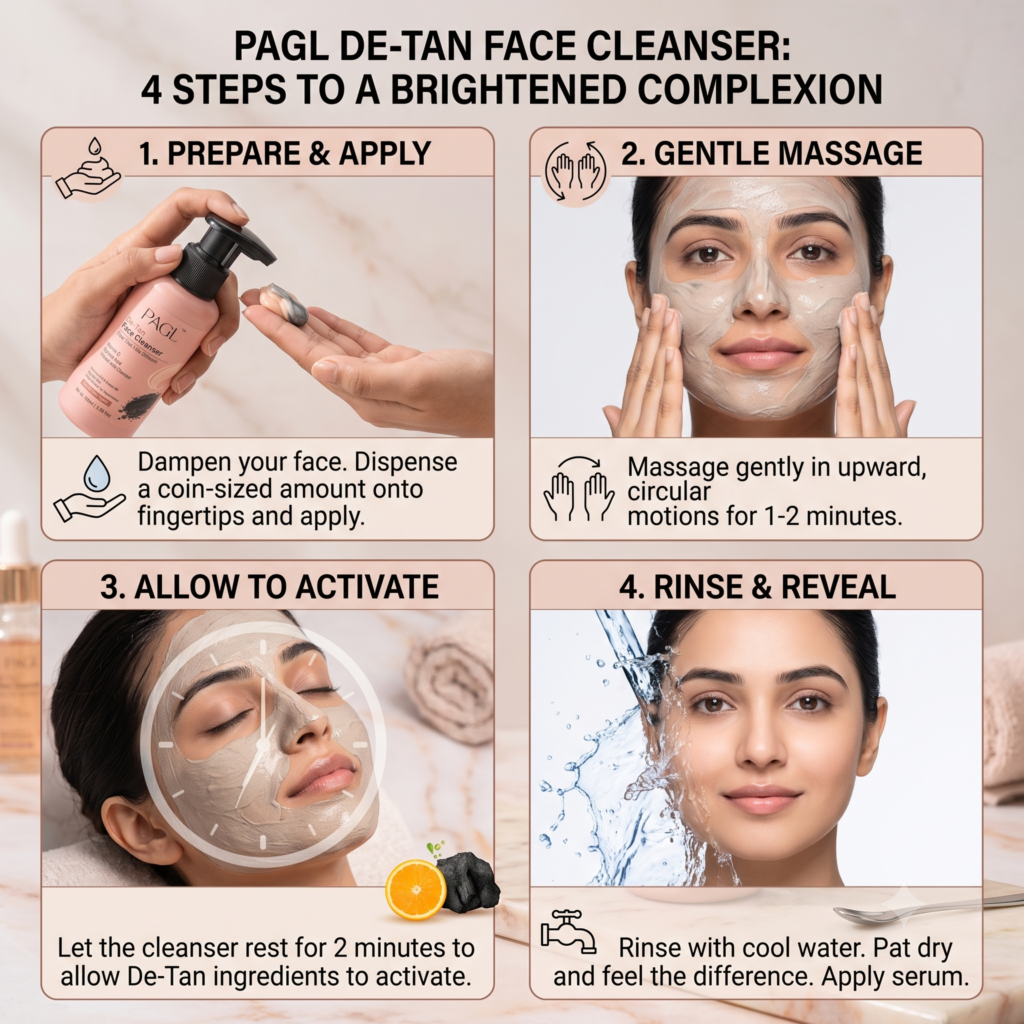
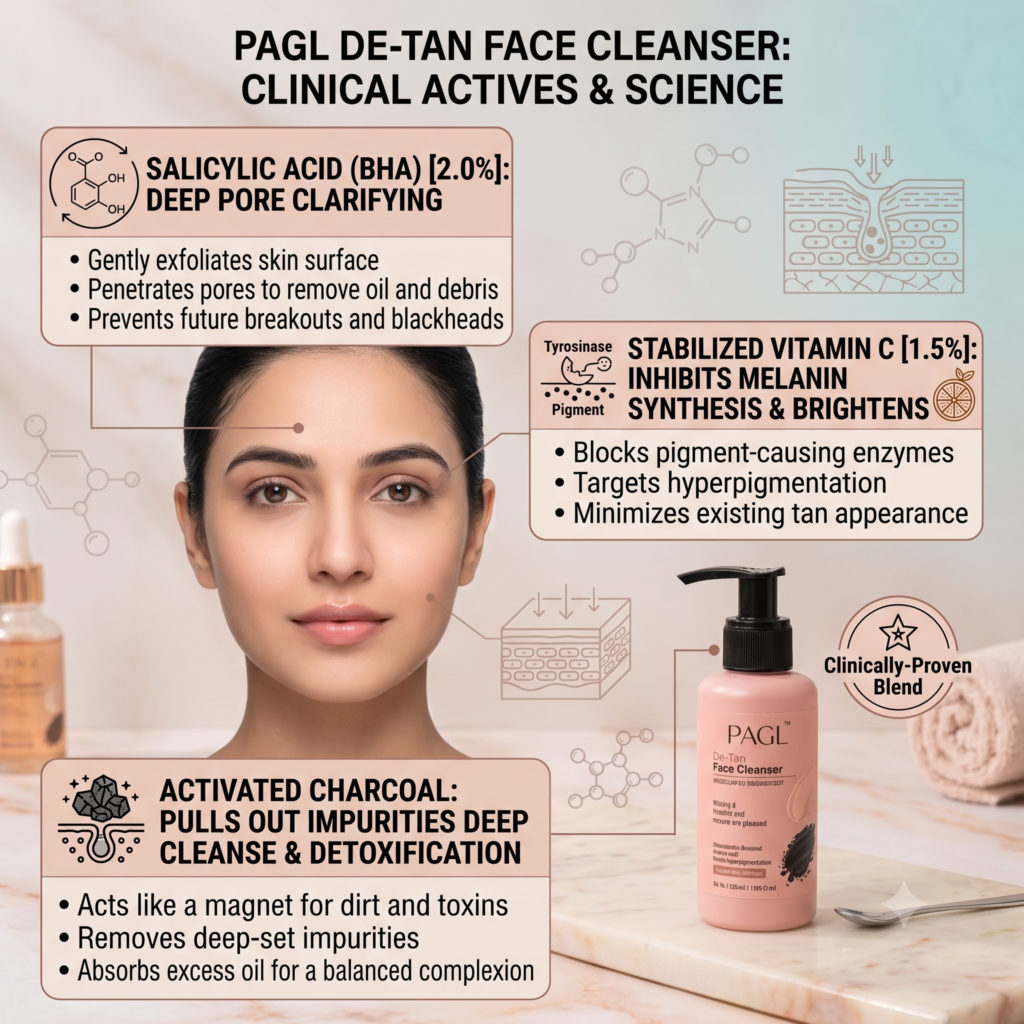
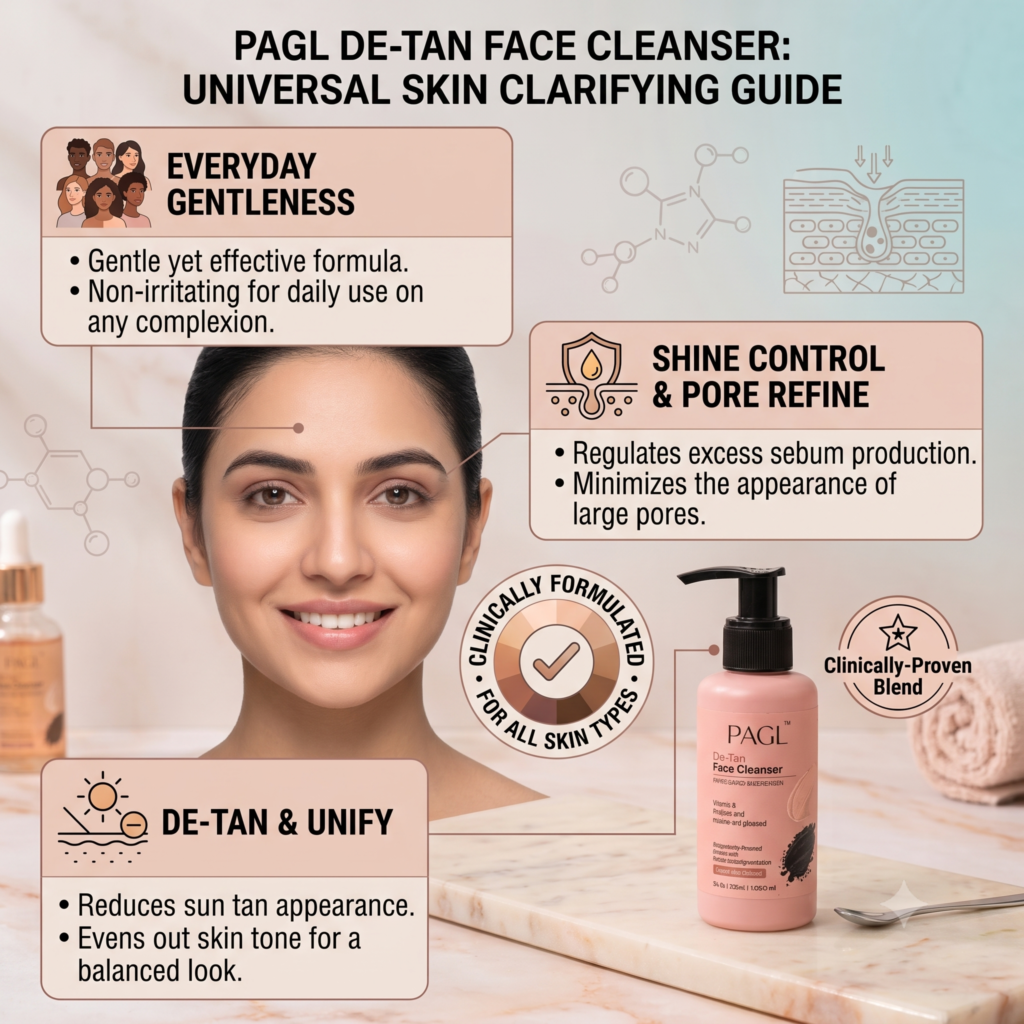
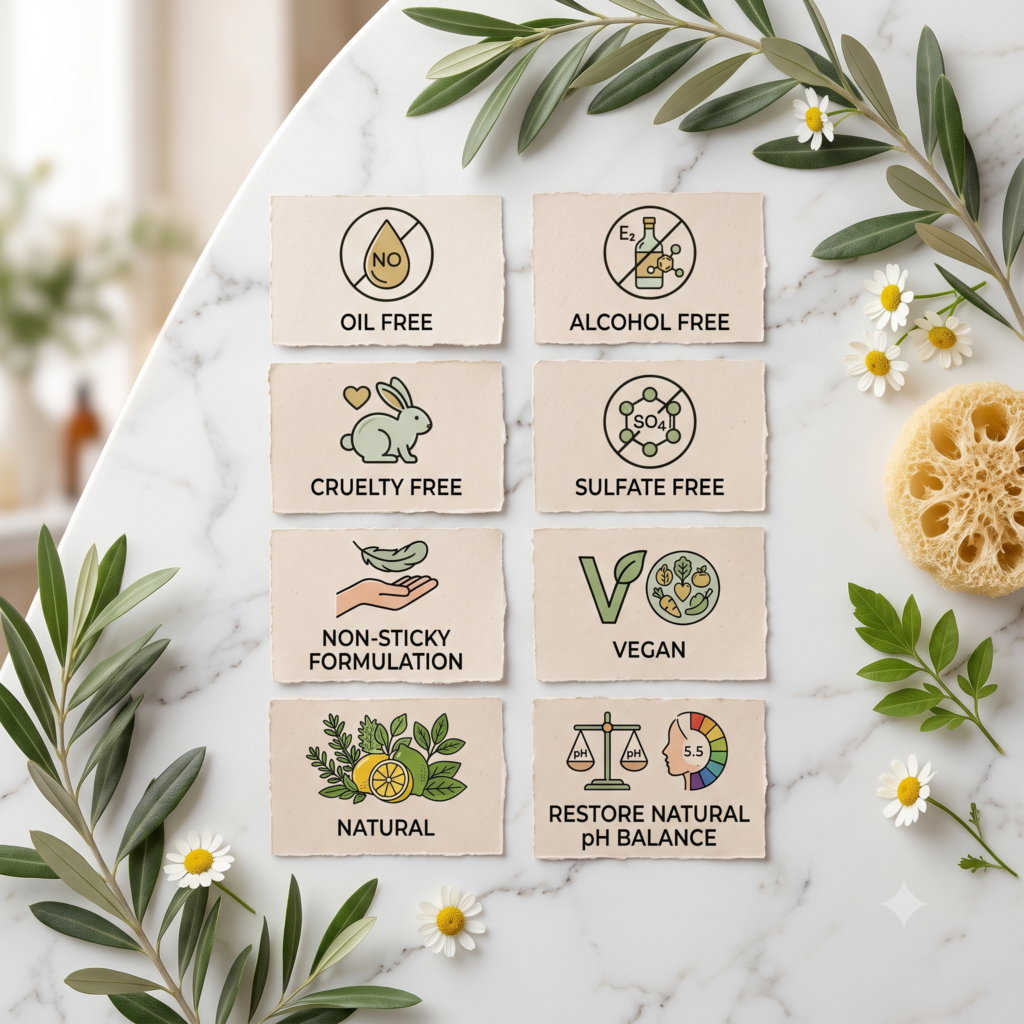
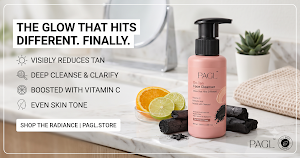
De-Tan Face Cleanser with Vitamin C, Salicylic Acid & Charcoal
De-Tan Face Cleanser helps restore your skin’s natural radiance with every wash. The advanced formula works to brighten skin, improve texture, and leave your face feeling fresh, clean, and revitalized.
4. Avoid touching your face frequently
Your hands come into contact with phones, keyboards, door handles and other surfaces throughout the day. Repeatedly touching or rubbing your face can irritate already inflamed skin.
Try these simple habits:
- Avoid resting your chin on your hands.
- Do not pick at small bumps while working.
- Clean your phone screen regularly.
- Use a clean towel and pat your face dry.
- Avoid squeezing whiteheads and inflamed pimples.
These steps cannot eliminate acne on their own, but they can help reduce irritation and prevent unnecessary skin damage.
5. Keep hair and haircare products away from your face
Hair oils, styling products and conditioners may contribute to clogged pores around the forehead and hairline in some people.
If you frequently notice pimples near your hairline, consider whether your haircare products are contacting your skin.
Keep oily hair away from your face and wash it as often as needed for your scalp. Rinse shampoo and conditioner thoroughly.
You do not need to stop using every haircare product. Instead, identify potential triggers and choose products that work for both your hair and skin.
6. Remove makeup and sunscreen before bed
Sleeping in makeup can leave product residue on your skin and may contribute to clogged pores, depending on the formulation.
At night, remove makeup and sunscreen thoroughly with a suitable cleanser. If you use a makeup remover, choose one that does not irritate your skin and follow it with gentle cleansing as needed.
Avoid vigorous rubbing, particularly around active pimples.
7. Introduce acne-fighting ingredients carefully
Certain ingredients have evidence supporting their use for acne, but the right choice depends on the type of breakout.
Salicylic acid: Helps unclog pores and may be useful for blackheads, whiteheads and some mild breakouts.
Benzoyl peroxide: Helps reduce acne-related bacteria and can be useful for inflammatory pimples.
Adapalene and other topical retinoids: Help prevent clogged follicles and are commonly used in acne treatment plans.
Azelaic acid: May help manage acne and the dark marks that can remain after breakouts.
Do not start all these ingredients at the same time. Choose a suitable treatment, follow the product instructions and monitor your skin for irritation.
Retinoids are not suitable during pregnancy or when trying to become pregnant unless a qualified clinician has specifically advised otherwise. Consult a healthcare professional before using acne medication in these circumstances.
For persistent acne, a dermatologist can recommend a treatment plan suited to your skin.

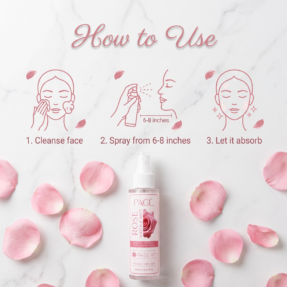
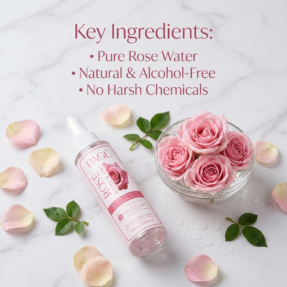
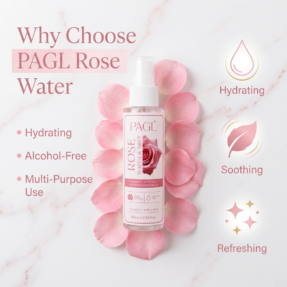
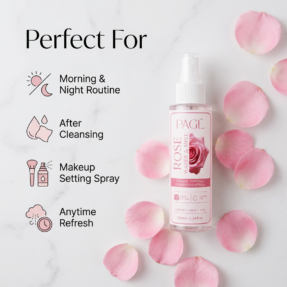


Rose Water Face Mist Spray | Natural Toner for Face, Skin & Hair | Hydrating, Refreshing & Alcohol-Free
Refresh and hydrate your skin with every spray. Alcohol-free rose water for a naturally radiant glow.
Instantly soothe, tone, and revitalize your skin with pure rose water. Perfect for everyday hydration.
8. Manage sweat and friction
If you live in a hot or humid city such as Pune, sweat and friction from helmets, masks and tight clothing may aggravate certain breakouts.
After exercise or heavy sweating:
- Change out of sweaty clothing when practical.
- Gently cleanse your face.
- Avoid wiping sweat aggressively.
- Clean items that regularly touch your face.
- Choose breathable clothing and comfortable protective equipment.
Do not compromise helmet safety or avoid necessary protective equipment. Instead, keep contact surfaces clean and reduce friction where possible.
9. Keep your routine simple and consistent
Trying a different product every few days makes it difficult to identify what helps and what irritates your skin.
A simple routine can be more useful than a shelf full of products.
Start with a cleanser, moisturiser and sunscreen. If you need acne treatment, introduce an appropriate active ingredient gradually and follow its instructions.
Many acne treatments require several weeks before improvement becomes noticeable. Avoid judging a treatment after only one or two applications.
If your acne worsens, causes significant irritation or fails to improve, consult a dermatologist rather than continuously adding products.
10. Pay attention to your individual triggers
Acne does not have one universal cause. Hormones, genetics, skincare habits and other individual factors can influence breakouts.
You may find it useful to note when new pimples appear and whether they coincide with particular products, menstrual cycles, sweating or friction.
Diet may also influence acne for some people, but there is no single food that explains everyone’s breakouts. Avoid restrictive diets or unproven detox plans as a substitute for appropriate treatment.
A Simple Daily Skincare Routine to Help Reduce Pimples
Consistency matters more than having a complicated routine. The following is a general framework for acne-prone skin.
Morning routine
Step 1: Cleanse
Use a gentle cleanser to remove excess oil and overnight residue. Avoid scrubbing.
Step 2: Moisturise
Apply a lightweight moisturiser that supports the skin barrier without feeling excessively greasy.
Step 3: Apply sunscreen
Finish with broad-spectrum SPF 30 or higher. Choose a formula that suits your skin and daily activities.
Optional step: Face mist
A face mist can be an optional refreshing step, but it is not a treatment for pimples. If you enjoy using one, the PAGL Rose Water Face Mist may fit into your routine if its ingredients suit your skin.
Patch-test new products and stop using them if you notice persistent irritation.
Evening routine
Step 1: Remove makeup and sunscreen
Use a suitable remover if needed, followed by gentle cleansing.
Step 2: Apply acne treatment if appropriate
Use your chosen over-the-counter treatment or prescribed medicine according to the directions. Do not combine several strong active ingredients without professional advice.
Step 3: Moisturise
Apply moisturiser to help reduce dryness and support the skin barrier.
You can keep your routine simple even when you use acne treatment. Adding more products does not necessarily mean faster results.
Can You Stop a Pimple Overnight?
A pimple cannot reliably be eliminated overnight. Some spots may look less swollen within a short period, but the underlying inflammation can take longer to settle.
If a pimple appears before an important event:
- Do not squeeze or puncture it.
- Avoid applying toothpaste, lemon juice or baking soda.
- Use a gentle routine rather than experimenting with several new products.
- Consider a hydrocolloid pimple patch for a superficial spot if appropriate.
- Seek professional advice for a large, painful or deep lesion.
A pimple patch may protect a spot from picking, but it does not treat every type of acne. Deep nodules and cysts generally need a different approach.
Home Remedies for Pimples: What Should You Avoid?
Searches for natural acne remedies are common, but household ingredients are not automatically safe or effective for skin.
Toothpaste
Toothpaste is designed for teeth, not acne. Its ingredients may irritate the skin and cause redness, dryness or burning.
Lemon juice
Lemon juice can irritate the skin, and exposure to sunlight after contact with certain citrus substances can cause a skin reaction. It is not a recommended acne treatment.
Baking soda
Baking soda can disrupt the skin’s normal surface environment and irritate sensitive or inflamed skin.
Harsh scrubs
Coarse scrubs and repeated exfoliation can aggravate inflamed pimples and increase irritation.
Undiluted essential oils
Concentrated essential oils may cause irritation or allergic reactions. Avoid applying them directly to active acne.
If you want to try a new skincare ingredient, choose a product formulated for skin use and introduce it carefully.
When Should You See a Dermatologist?
Home skincare may be enough for some mild breakouts, but medical advice is important when acne is persistent or severe.
Consider booking a dermatologist appointment if:
- You have deep, painful pimples or cysts.
- Acne is leaving permanent scars.
- Breakouts are widespread or worsening.
- Over-the-counter treatments are not helping.
- Your skin is becoming very irritated from acne products.
- Acne is affecting your confidence or emotional wellbeing.
A dermatologist can assess whether the spots are acne or another skin condition and recommend suitable treatment.
Seek prompt medical advice if severe skin inflammation appears suddenly with fever, joint pain or feeling generally unwell.
Frequently Asked Questions
1. How do I stop pimples from coming on my face?
Use a consistent skincare routine, cleanse gently, moisturise, apply sunscreen and avoid picking pimples. If breakouts keep returning, an appropriate acne treatment or dermatologist consultation may be needed.
2. Why do I get pimples even after washing my face?
Acne is not simply caused by dirt. Oil production, blocked follicles, inflammation, hormones and genetics can all contribute. Excessive washing may irritate the skin without addressing these underlying factors.
3. Which face wash is best for pimples?
The best cleanser depends on your skin type and the severity of your acne. A gentle cleanser is a good starting point. Some people benefit from salicylic acid cleansers, but these can cause dryness or irritation and may not be suitable alongside every acne treatment.
4. Can I stop pimples in one day?
There is no guaranteed way to stop a pimple completely in one day. Avoid squeezing it, keep your routine gentle and use suitable treatments as directed. Persistent or painful acne may require professional care.
5. Does oily skin always cause pimples?
No. Oily skin can contribute to clogged pores, but acne also depends on inflammation, hormones, genetics and other factors. People with dry or combination skin can develop pimples too.
6. Does rose water help stop pimples?
Rose water products may offer a refreshing skincare experience, depending on their formulation, but they are not established treatments for acne. Stop using a product if it irritates your skin.
7. Can a de-tan cleanser remove pimples?
A de-tan cleanser should not be relied on to treat acne. A cleanser can help remove surface oil and impurities, while acne treatment may require specific active ingredients or prescription medication.
8. Should I moisturise if I have acne-prone skin?
Yes, a suitable moisturiser can help support the skin barrier, especially if acne treatments cause dryness. Choose a lightweight, non-comedogenic product when possible.
9. How long does acne treatment take to work?
Many acne treatments need several weeks to show improvement, and some require a few months for more substantial results. Follow the instructions consistently and consult a dermatologist if your acne worsens or does not improve.
10. When should I stop treating pimples at home?
Seek professional advice if you develop deep or painful lesions, significant scarring, widespread acne or persistent irritation. Severe acne is best assessed by a dermatologist.
Final Thoughts
Stopping recurring pimples starts with understanding your skin rather than trying every product you see online. Gentle cleansing, moisturising, daily sunscreen, avoiding picking and choosing appropriate acne treatments can help you build a more consistent routine.
For Indian skin exposed to heat, humidity, dust and frequent sweating, keeping the routine practical can make it easier to follow every day.
Remember that cosmetic skincare supports skin hygiene and comfort, but it is not a substitute for medical treatment when acne is persistent, painful or severe. Give appropriate treatments time to work and seek professional advice when needed.
Clearer-looking skin is a realistic goal for many people, and you do not need an unnecessarily complicated routine to start caring for it.












Leave a Reply