Have you ever wondered why pimples appear on your face even when you wash it regularly? You may notice small bumps on your forehead, painful pimples on your cheeks or recurring breakouts around your chin and jawline. Sometimes, your skin seems clear for a few days before another breakout appears.
Understanding what causes acne on the face is the first step towards managing it effectively. Acne is a common skin condition that affects teenagers and adults. It develops when hair follicles become blocked with oil and dead skin cells, followed by inflammation. Hormones, genetics, certain skincare products and other individual factors can influence how frequently breakouts occur.
For people living in India, heat, humidity, sweat and daily sun exposure can make skincare more challenging. However, acne is not simply caused by dirt or poor hygiene, and washing your face more often is not always the solution.
In this guide, you will learn about the main causes of facial acne, how to recognise possible triggers, which skincare habits may help and when to consult a dermatologist.
What Is Acne and Why Does It Develop?
Acne is a skin condition that develops when hair follicles become clogged with excess oil and dead skin cells. Inflammation and the activity of acne-associated bacteria can contribute to the development of pimples.
Your skin contains sebaceous glands that produce sebum, a natural oil that helps protect the skin. When oil and dead skin cells accumulate inside a follicle, they can create a blockage.
Depending on what happens inside the follicle, you may develop different types of acne, including:
- Whiteheads: Small, closed bumps caused by blocked pores.
- Blackheads: Open clogged pores that appear dark because of changes in the material exposed to air, not because the skin is dirty.
- Papules: Small, inflamed red or pink bumps.
- Pustules: Inflamed pimples containing visible pus.
- Nodules and cysts: Deeper, often painful lesions that may increase the risk of scarring.
Acne can affect the forehead, nose, cheeks, chin and jawline. It may also appear on the chest, shoulders and back.
The location of a breakout can sometimes provide clues about possible triggers, but it cannot reliably identify the cause on its own.
10 Common Causes of Acne on the Face
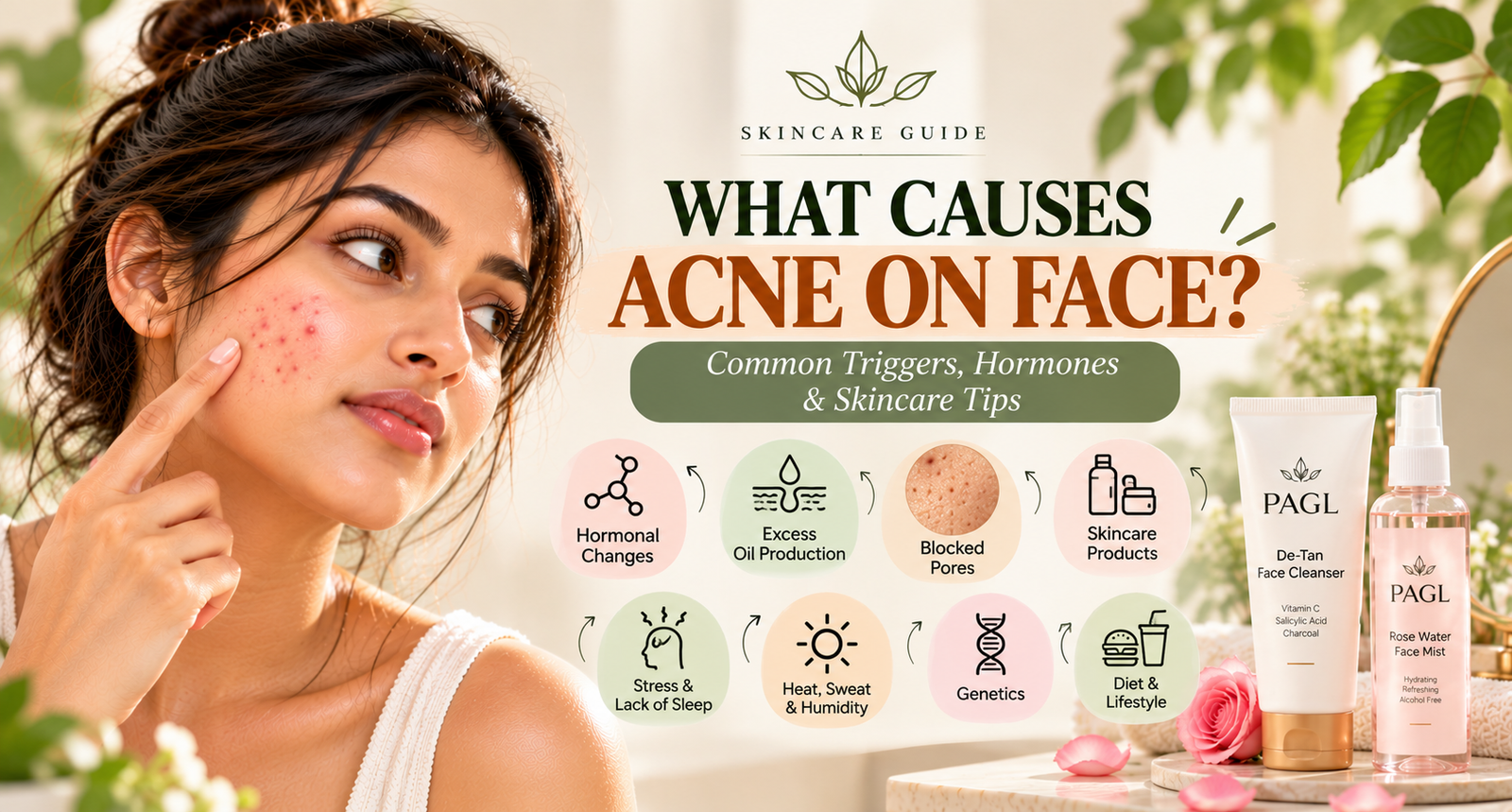
Several factors can contribute to acne. More than one may be involved at the same time.
1. Hormonal changes
Hormones are one of the major factors associated with acne, particularly during puberty.
Androgens, a group of hormones present in people of all sexes, can stimulate the sebaceous glands to produce more oil. Increased oil production can contribute to clogged follicles and inflammation.
Hormonal changes can also affect adults. Some people notice recurring breakouts around the chin and jawline, particularly around menstruation.
Hormonal fluctuations may occur during puberty, menstrual cycles, pregnancy and other life stages. Certain medical conditions can also influence hormone levels.
If adult acne develops suddenly or is accompanied by irregular periods, increased facial hair or other unusual symptoms, speak with a healthcare professional. They can assess whether further investigation is appropriate.
2. Excess sebum or oily skin
Sebum helps keep your skin protected, but excess oil can contribute to blocked pores.
You may notice that your face becomes shiny during the day, particularly around the forehead, nose and chin. This does not necessarily mean you will develop acne, but excess oil can be one contributing factor.
It is important not to strip all the oil from your skin. Harsh cleansers and frequent washing can irritate the skin barrier without addressing the underlying causes of acne.
Choose a cleanser that removes surface oil comfortably without leaving your skin excessively tight or dry.
3. Dead skin cells and blocked pores
Your skin naturally sheds dead cells. When these cells accumulate with sebum inside hair follicles, they can contribute to blackheads and whiteheads.
If inflammation develops, these clogged pores may progress into red pimples or pus-filled spots.
Gentle cleansing and appropriate acne treatments can help manage clogged pores. Depending on the type of acne, a dermatologist may recommend ingredients such as salicylic acid or topical retinoids.
Avoid rough scrubs and squeezing blackheads. These habits can irritate your skin and increase the risk of marks or scars.
4. Skincare products that do not suit your skin
Some moisturisers, sunscreens, makeup products and cleansers may contribute to breakouts in susceptible individuals.
For example, oily or heavy haircare products can cause small bumps around the forehead and hairline. Certain cosmetic products can also contribute to clogged pores.
Look for products labelled:
- Non-comedogenic.
- Oil-free, when suitable for your skin.
- Won’t clog pores.
These labels can help guide your choices, although they cannot guarantee that a product will suit everyone.
If you recently introduced a new product and noticed a pattern of breakouts, consider whether it could be contributing. Change one product at a time where possible so that you can better identify potential triggers.
5. Stress and poor sleep
Stress does not directly explain every acne breakout, but research suggests that stress can aggravate existing acne in some people.
Stress-related hormonal responses may influence oil production and inflammation. Poor sleep can also affect general wellbeing and make it harder to maintain consistent skincare habits.
If you notice that your breakouts worsen during stressful periods, focus on manageable habits such as maintaining a regular sleep schedule, taking breaks and exercising in ways that suit you.
These habits may support overall wellbeing, but they should not replace appropriate acne treatment.

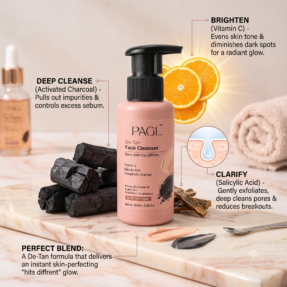
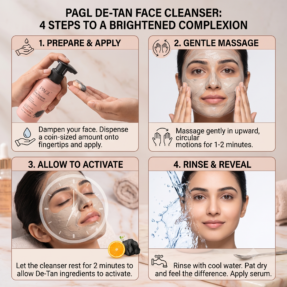
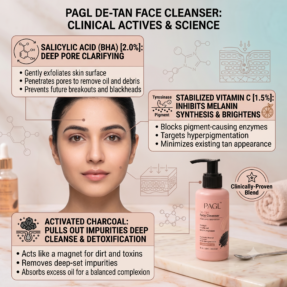
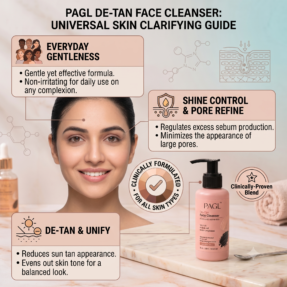

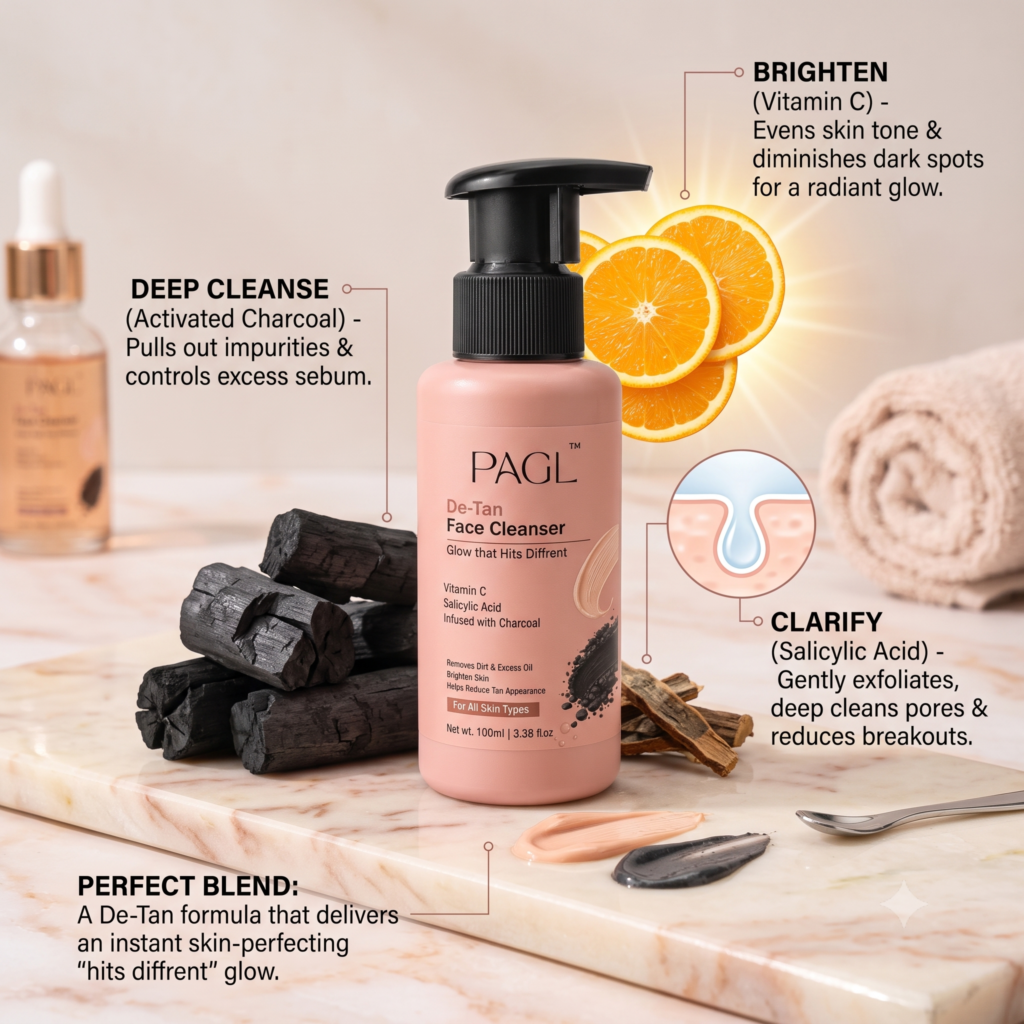
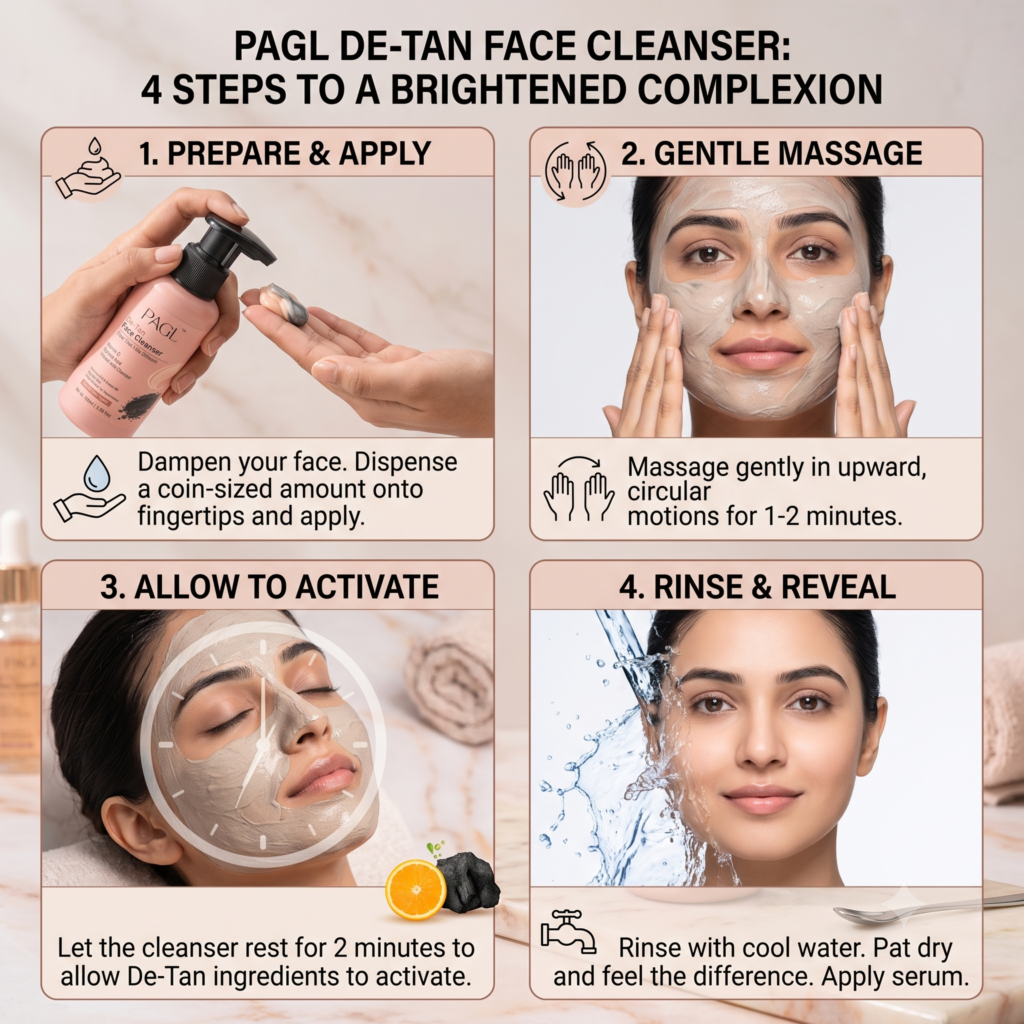
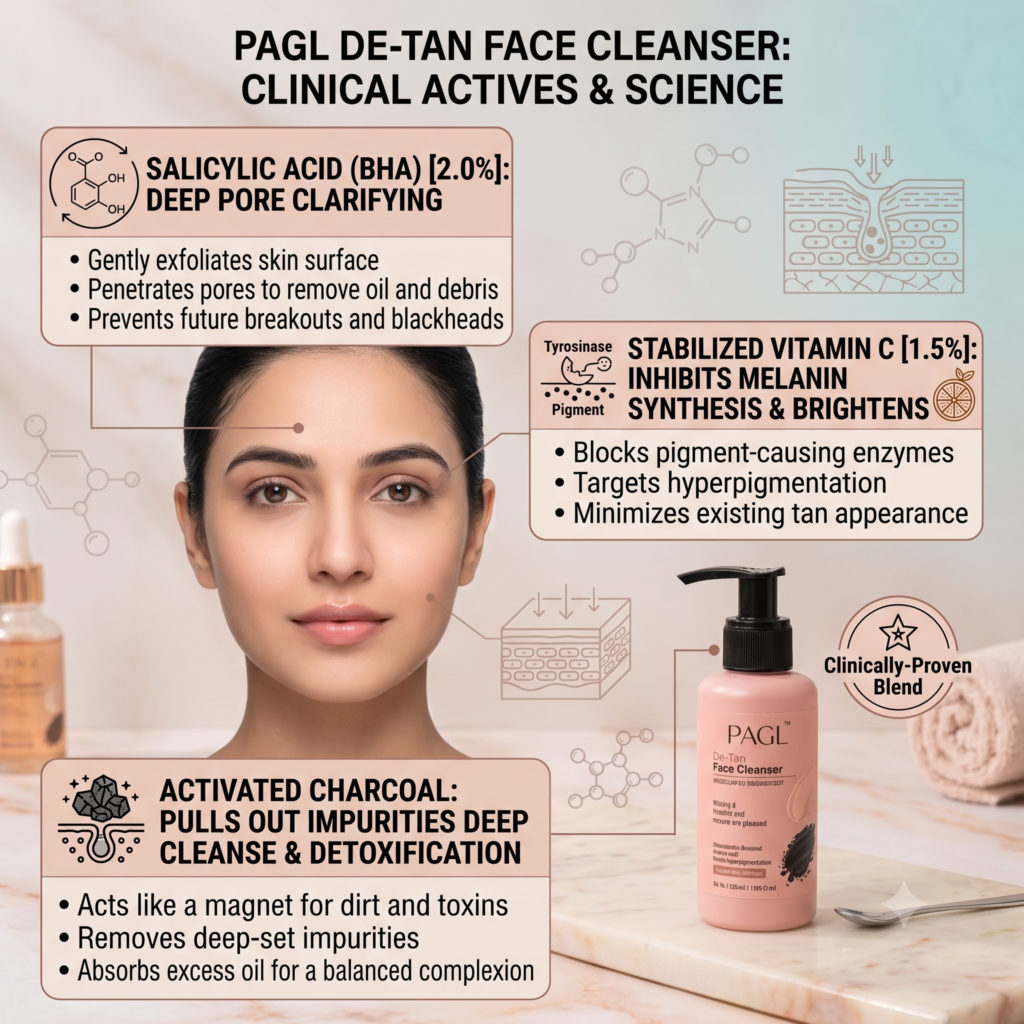
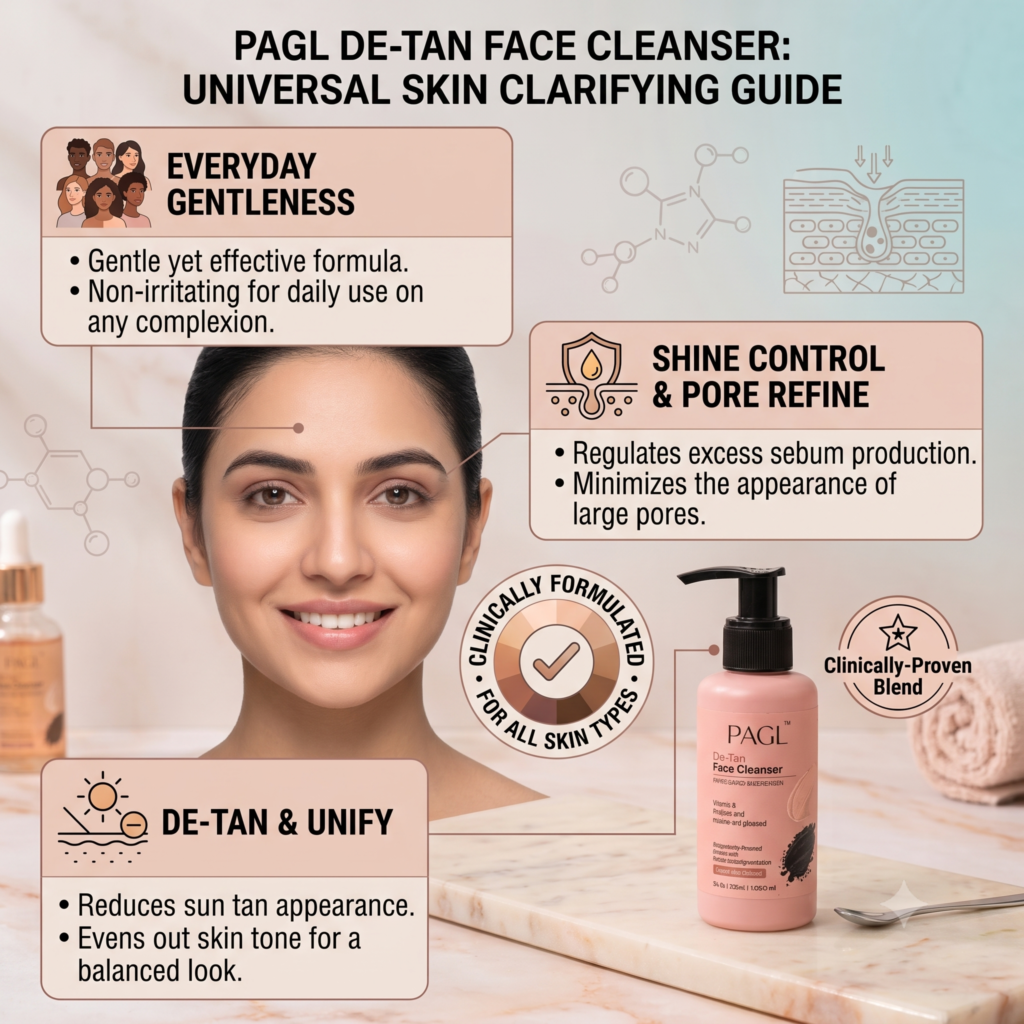
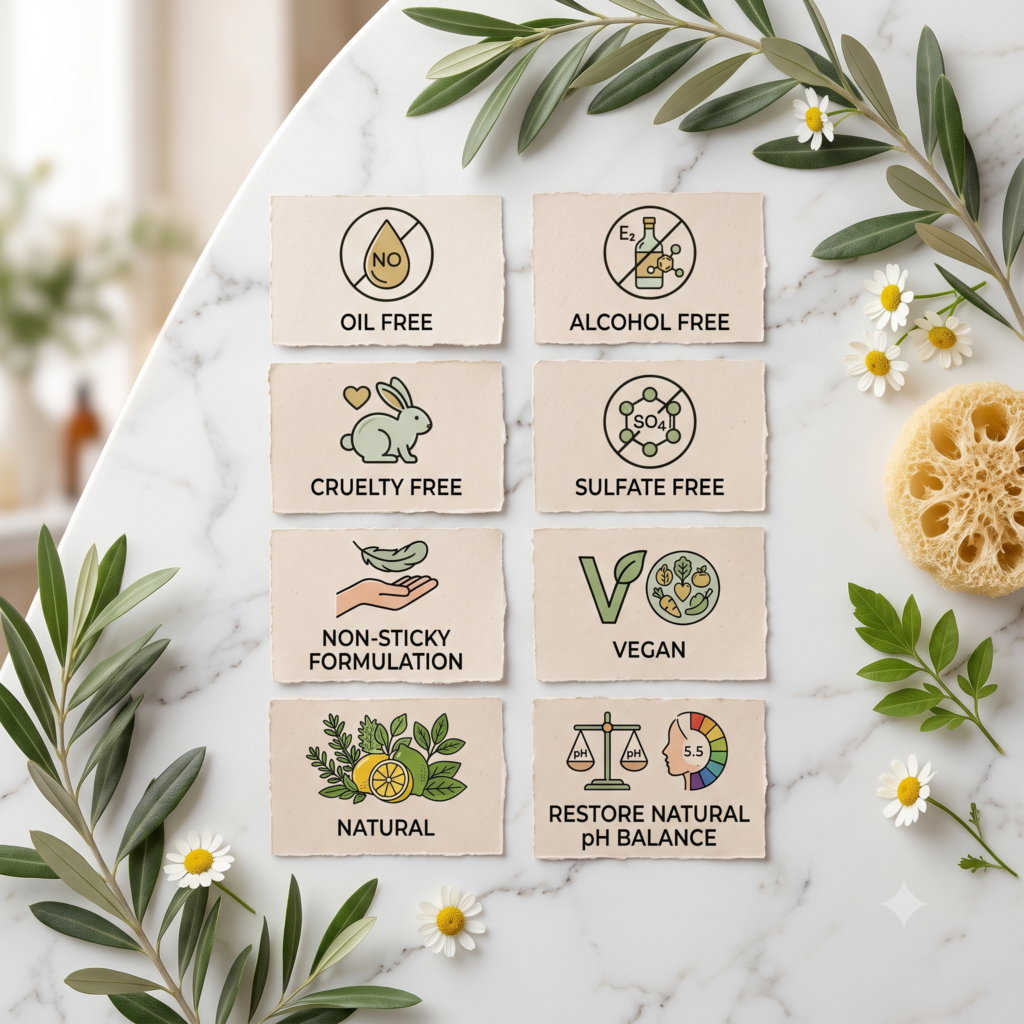
De-Tan Face Cleanser with Vitamin C, Salicylic Acid & Charcoal
De-Tan Face Cleanser helps restore your skin’s natural radiance with every wash. The advanced formula works to brighten skin, improve texture, and leave your face feeling fresh, clean, and revitalized.
6. Heat, sweat and humidity
Hot and humid weather can make your skin feel oily and uncomfortable. Sweat may mix with surface oils and skincare products, while friction from clothing, masks or helmets can irritate the skin.
This can be particularly relevant during Indian summers and the monsoon season.
Sweat alone is not the sole cause of acne. However, trapped moisture, friction and irritating products may aggravate breakouts in some people.
Practical steps include:
- Gently cleanse after heavy sweating.
- Pat sweat away instead of rubbing your face.
- Change out of sweaty clothing when practical.
- Clean items that regularly touch your skin.
- Choose comfortable, breathable clothing where possible.
You do not need to stop exercising or avoid outdoor activities because you have acne. A suitable hygiene routine can help you manage sweat and friction.
7. Genetics and family history
Your family history can influence your likelihood of developing acne.
If your parents or close relatives experienced persistent or severe acne, you may have a greater tendency to develop it too.
Genetics can influence several factors associated with acne, including oil production and inflammatory responses.
This means that even with a consistent skincare routine, you may still experience breakouts. It does not mean that nothing can help. Effective acne treatments are available, and a dermatologist can help you choose an appropriate plan.
8. Picking, squeezing and touching your face
Touching your face frequently or squeezing pimples can irritate the skin and worsen inflammation.
When you squeeze an inflamed spot, you may damage the surrounding tissue. This can increase the risk of dark marks and permanent scars.
Try to avoid:
- Popping pimples with your fingers.
- Scratching small bumps.
- Using sharp objects to extract blackheads.
- Scrubbing inflamed areas.
- Repeatedly touching your forehead or chin.
If a pimple is deep and painful, leave it alone and seek medical advice if needed.
9. Certain medications
Some medicines can contribute to acne-like breakouts as a side effect.
If you notice new or worsening acne after starting a medication, discuss it with the healthcare professional who prescribed it.
Do not stop a prescribed medicine on your own. Your clinician can assess whether the medicine may be contributing and whether an alternative or additional treatment is appropriate.
10. Diet and individual triggers
Diet may influence acne in some people, but there is no single food that causes every breakout.
Some research suggests an association between high-glycaemic dietary patterns and acne. Evidence about particular foods varies, and diet is only one part of a complex condition.
Rather than eliminating entire food groups, focus on balanced meals and observe whether you notice a consistent pattern between a particular food and your breakouts.
Avoid extreme diets, detox drinks or supplements promoted as guaranteed acne cures. If dietary changes are necessary, seek qualified advice to ensure your nutritional needs are met.
What Causes Acne in Different Areas of the Face?
People often search for the meaning of forehead acne, cheek acne or chin acne. Although the location can provide useful clues, it does not establish a diagnosis.
Forehead acne
Small bumps along the forehead or hairline may sometimes be associated with oily haircare products, sweat, headwear or friction.
If you use hair oils, styling waxes or heavy conditioners, check whether these products regularly contact your forehead.
Consider keeping hair away from your face and choosing products labelled non-comedogenic where possible.
If the bumps are very similar in appearance, itchy or persist despite changes to your routine, a dermatologist can assess whether they are acne or another skin condition.
Cheek acne
Cheek breakouts may be influenced by several factors, including hormonal changes, skincare products and friction.
If you frequently touch your cheeks, use makeup or place your phone against your face, consider whether these habits contribute to irritation.
Keep phone surfaces clean and wash makeup brushes regularly. However, remember that cheek acne does not automatically indicate poor hygiene.
Chin and jawline acne
Breakouts around the chin and jawline can sometimes follow hormonal patterns, particularly when they recur around menstruation.
However, acne in this area is not always hormonal. Products, friction and other factors may also contribute.
If these breakouts are persistent, painful or associated with other hormonal symptoms, consult a dermatologist or healthcare professional.
Nose acne
The nose contains numerous sebaceous glands, so blackheads and clogged pores may be noticeable in this area.
Dark dots on the nose can also be sebaceous filaments, which are normal structures that help move sebum to the skin’s surface. They are not the same as blackheads.
Avoid aggressively squeezing or scrubbing your nose. A suitable skincare routine can help manage clogged pores without irritating the skin.

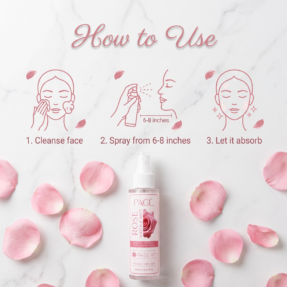
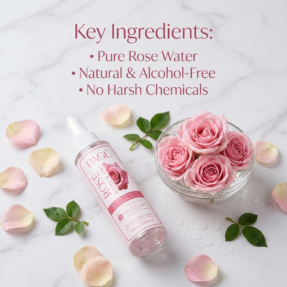
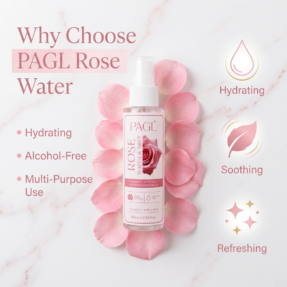
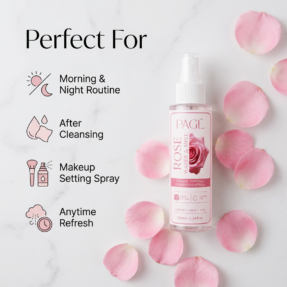


Rose Water Face Mist Spray | Natural Toner for Face, Skin & Hair | Hydrating, Refreshing & Alcohol-Free
Refresh and hydrate your skin with every spray. Alcohol-free rose water for a naturally radiant glow.
Instantly soothe, tone, and revitalize your skin with pure rose water. Perfect for everyday hydration.
How to Identify What Is Triggering Your Acne
If your pimples keep returning, try observing your skin rather than changing every product at once.
Step 1: Notice the pattern
Record where breakouts appear, whether they are painful and how often new spots develop.
You may notice recurring patterns around your hairline, chin or cheeks. These observations can help you discuss your concerns with a dermatologist.
Step 2: Review recently introduced products
Consider any new cleanser, moisturiser, sunscreen, makeup, hair oil or styling product.
If you suspect a product is contributing, discontinue the suspected non-essential product and observe whether your skin improves. Do not stop prescribed medication without professional advice.
Step 3: Review sweat and friction
Think about whether breakouts appear after workouts, wearing a helmet, using a mask or spending extended time outdoors.
Gently cleanse after heavy sweating and avoid rubbing your skin.
Step 4: Keep your routine consistent
Using several new products simultaneously makes it difficult to determine what is helping or causing irritation.
Start with a cleanser, moisturiser and sunscreen. Introduce acne treatments gradually, following their directions.
Step 5: Give suitable treatments time
Acne treatments often need several weeks to show improvement. Avoid switching products every few days unless you develop a significant reaction or a healthcare professional advises a change.
If breakouts are worsening or scars are developing, consult a dermatologist rather than waiting indefinitely.
How to Care for Acne-Prone Skin in India
A simple routine can help you manage surface oil, protect the skin barrier and support appropriate acne treatment.
Morning skincare routine
1. Cleanse gently
Use a suitable cleanser to remove excess oil and overnight residue. Avoid harsh scrubbing.
If you prefer a cleanser containing salicylic acid, check whether it suits your skin and other products in your routine. Salicylic acid can help some people with clogged pores, but it can also cause irritation.
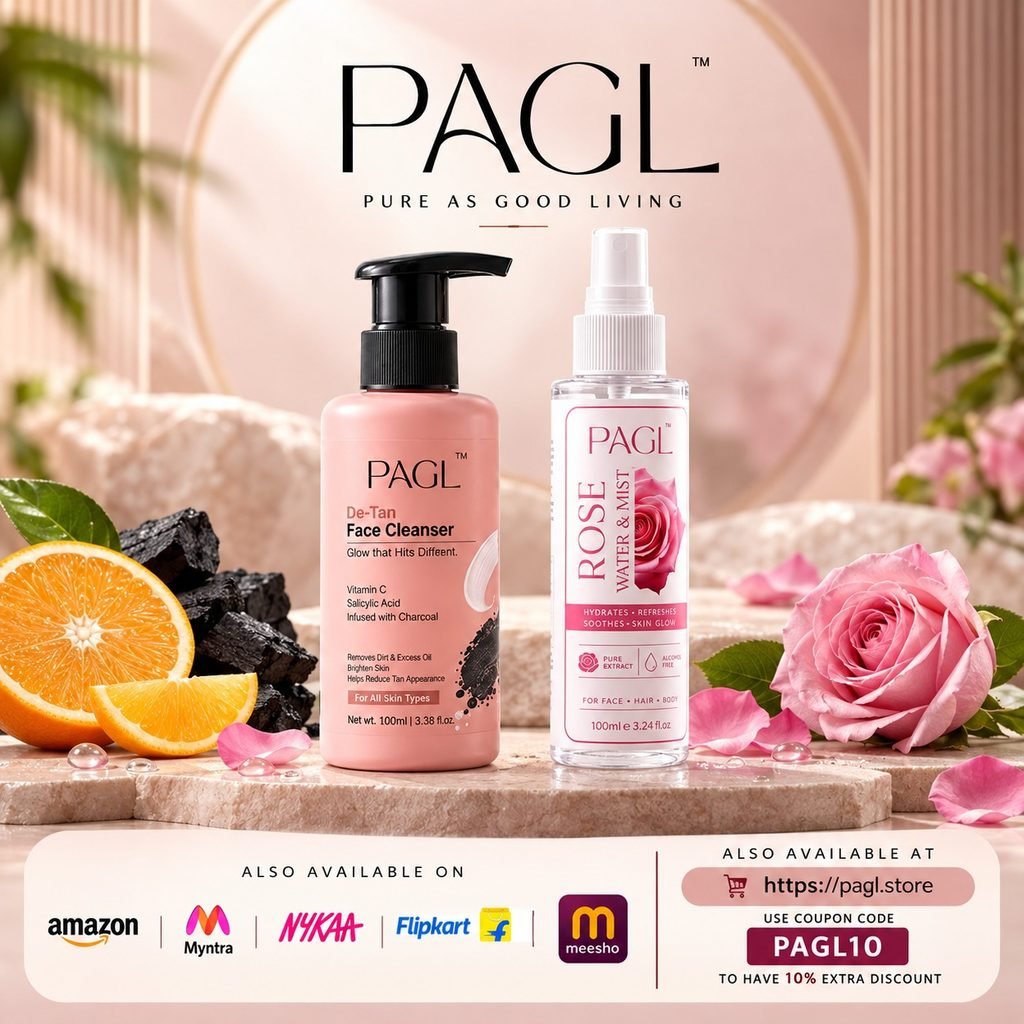
The PAGL De-Tan Face Cleanser with Vitamin C, Salicylic Acid and Charcoal may be considered as a cleansing option if its formulation suits your skin. It should not be presented as a medical treatment for acne or as a guaranteed way to prevent breakouts.
2. Moisturise
Use a lightweight moisturiser that feels comfortable and supports your skin barrier. Oily skin can still become dry or dehydrated, particularly when using acne treatments.
3. Apply sunscreen
Use broad-spectrum SPF 30 or higher. Choose a sunscreen that suits your skin and reapply according to its directions when spending time outdoors.
Sun protection helps protect against UV damage and can reduce the chance of post-acne marks becoming darker.
Evening skincare routine
1. Remove makeup and sunscreen
Cleanse gently to remove surface residue without scrubbing.
2. Apply an appropriate acne treatment if needed
Depending on your acne, you may benefit from an over-the-counter acne ingredient or a medicine prescribed by your dermatologist.
Avoid combining several strong active ingredients without guidance.
3. Moisturise
Apply a suitable moisturiser to help reduce dryness and support the skin barrier.
Is rose water useful for acne-prone skin?
A face mist can be an optional refreshing step, but rose water is not an established treatment for acne.
If you enjoy using a mist and your skin tolerates it, the PAGL Rose Water Face Mist may be included as an optional step in your skincare routine.
Patch-test new products and discontinue use if you experience persistent burning, redness or irritation. A face mist should not replace proven acne treatment.
When Should You See a Dermatologist?
Occasional mild pimples may improve with suitable skincare, but some forms of acne need medical treatment.
Consider consulting a dermatologist if:
- You have deep, painful nodules or cysts.
- Acne is widespread or becoming more severe.
- Breakouts are leaving permanent scars.
- Your acne does not improve with suitable over-the-counter treatment.
- You experience persistent irritation from skincare products.
- Acne is affecting your confidence or emotional wellbeing.
A dermatologist can assess your skin and recommend suitable treatment, which may include topical medicines or oral medication depending on the severity.
Seek prompt medical advice if severe skin inflammation develops suddenly with fever, joint pain or feeling generally unwell.
Final Thoughts
Acne on the face can develop for several reasons, including blocked pores, excess oil, hormonal changes, genetics and certain skincare products. Stress, friction and environmental conditions may aggravate breakouts in some people.
The most useful approach is to understand your own skin, keep your routine gentle and consistent, and avoid treating acne as a hygiene problem. Do not squeeze pimples or rely on harsh home remedies.
A cleanser, moisturiser and sunscreen can support daily skincare, while persistent or severe acne may need medical treatment. If your breakouts are painful, recurring or leaving scars, a dermatologist can help identify the likely causes and recommend an appropriate plan.
Clearer-looking skin often takes time, but understanding what contributes to your acne is a practical first step.
Frequently Asked Questions
1. What is the main cause of acne on the face?
Acne develops when hair follicles become blocked with excess oil and dead skin cells, followed by inflammation. Hormones, genetics and other individual factors can influence how frequently breakouts occur.
2. Can hormones cause pimples on the face?
Yes. Hormonal changes can influence oil production and contribute to acne, particularly during puberty and around menstruation. Persistent acne with other hormonal symptoms should be assessed by a healthcare professional.
3. Does poor hygiene cause acne?
No. Acne is not simply caused by a dirty face. Washing too often or scrubbing aggressively can irritate the skin and may make breakouts worse.
4. Why do I get pimples even after washing my face?
Cleansing removes surface oil and impurities, but it cannot address every factor involved in acne. Hormones, genetics, blocked follicles and inflammation can contribute to breakouts even when you maintain good hygiene.
5. Can stress cause acne?
Stress may aggravate existing acne in some people, but it is not the only cause. A consistent skincare routine and appropriate acne treatment remain important.
6. Can hair oil cause forehead acne?
Some oily haircare products can contribute to clogged pores around the forehead and hairline. If you suspect a product is responsible, reduce contact with the skin and monitor whether the breakouts improve.
7. Does oily skin always lead to pimples?
No. Excess oil can contribute to clogged pores, but not everyone with oily skin develops acne. Hormones, genetics, inflammation and other factors also play a role.
8. Can rose water cure acne?
Rose water is not an established acne treatment. A face mist may provide refreshment if your skin tolerates it, but it should not replace appropriate acne treatment.
9. Can a de-tan cleanser prevent pimples?
A de-tan cleanser should not be relied on to prevent or cure acne. A cleanser can remove surface oil and impurities, but recurring acne may require a specific acne treatment.
10. When should I see a dermatologist for acne?
Consult a dermatologist if you have deep or painful pimples, widespread breakouts, scarring or acne that does not improve with suitable treatment.