
Pimples can appear in different shapes, sizes and colours. Some look like tiny bumps beneath the skin, while others become red, swollen or filled with pus. You may notice black dots around your nose, small white bumps on your forehead or deeper, painful lumps along your jawline.
Understanding the different types of pimples on face can help you make better skincare choices. Not every bump needs the same treatment, and using too many products at once can irritate your skin rather than improve it.
In this guide, we explain the six common types of acne lesions, how to recognise their typical appearance, what may contribute to breakouts and how to build a practical skincare routine for Indian weather.
Important: This guide is for general skincare education, not a diagnosis. Some skin conditions can resemble acne. If your breakouts are painful, persistent, spreading or leaving scars, consult a dermatologist.
What Are the Different Types of Pimples on Face?
Acne develops when hair follicles become clogged with oil and dead skin cells. Inflammation can then contribute to different types of blemishes.
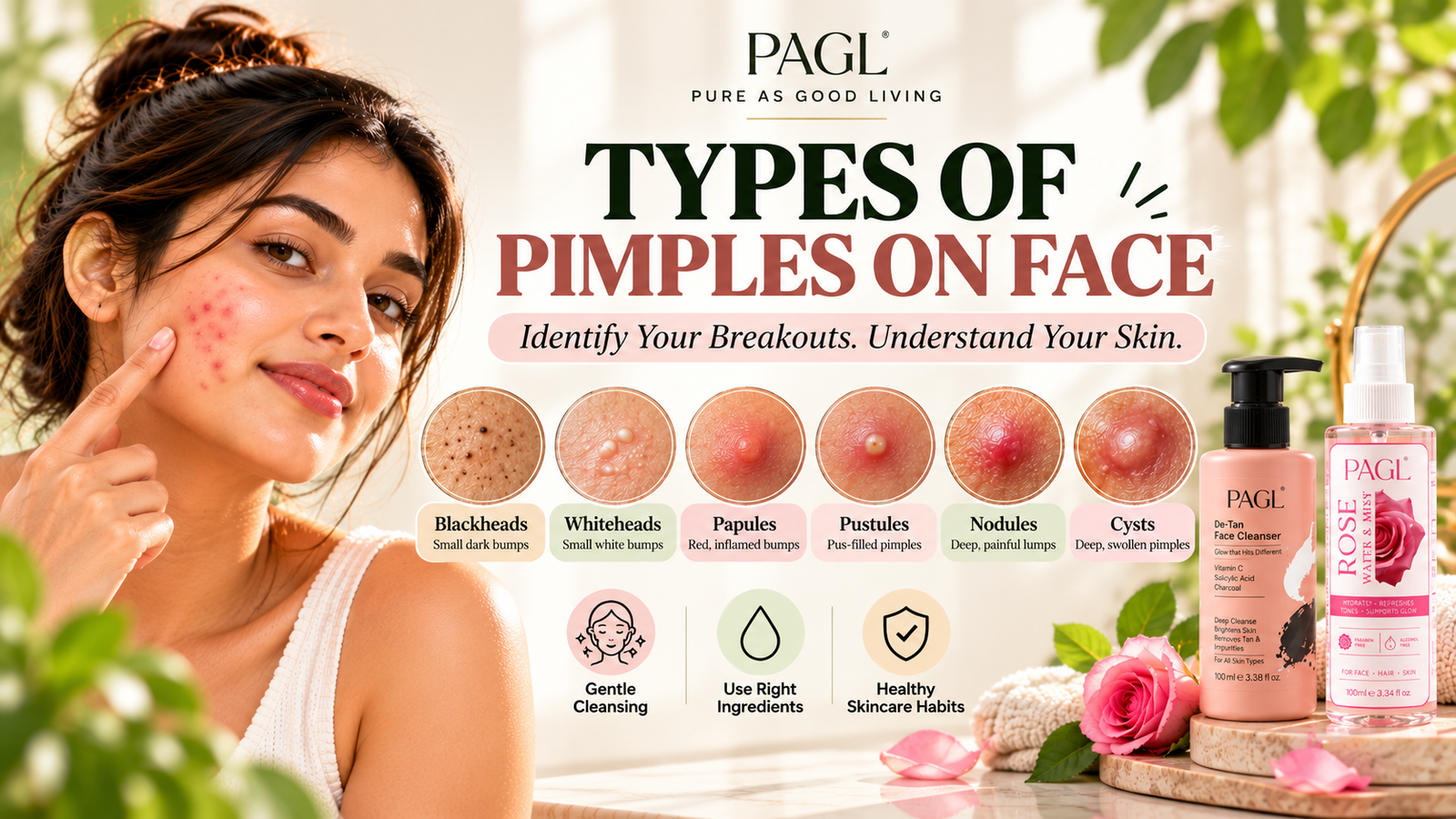
The six commonly described acne lesions are:
- Blackheads
- Whiteheads
- Papules
- Pustules
- Nodules
- Cysts
Blackheads and whiteheads are generally non-inflammatory acne lesions. Papules, pustules, nodules and cysts involve inflammation to varying degrees. You can have more than one type at the same time.
The descriptions below follow guidance from the American Academy of Dermatology and the NHS.
1. Blackheads: Small Dark Bumps on the Skin
Blackheads are small, dark-looking bumps that commonly appear on the nose, chin and forehead. They form when a pore becomes blocked with oil and dead skin cells but remains open at the surface.
How to identify blackheads
- They often look like small black or dark-brown dots.
- They are commonly found around the nose and chin.
- They may feel slightly raised or rough.
- They are usually not as red or painful as inflamed pimples.
What causes blackheads?
Excess sebum and dead skin cells can collect inside a pore. When the opening remains exposed to air, the material inside undergoes a chemical reaction that causes the dark appearance.
Blackheads are not simply dirt. Scrubbing harder or washing repeatedly will not remove the underlying blockage and may irritate your skin.
How to care for blackheads
Use a gentle cleanser and avoid squeezing or scraping the affected area. Ingredients such as salicylic acid or topical retinoids may help manage clogged pores, but suitability depends on your skin and other products or medicines you use.
Introduce one active ingredient at a time and follow its directions. If blackheads persist, a dermatologist can recommend appropriate treatment.
2. Whiteheads: Small White or Skin-Coloured Bumps
Whiteheads form when oil and dead skin cells block a pore whose opening is closed or covered by skin.
They can appear on the forehead, cheeks, chin and other areas prone to acne.
How to identify whiteheads
- They look like tiny white or skin-coloured bumps.
- They usually do not have an open dark centre.
- They may make the skin feel uneven.
- They are often less inflamed than red pimples.
Whiteheads are also called closed comedones.
Why do whiteheads develop?
Oil production, the accumulation of dead skin cells and changes in the way skin cells shed can contribute to blocked pores. Hormonal changes may also influence oil production.
Thick or pore-clogging skincare and makeup products can be a concern for some people, although individual triggers vary.

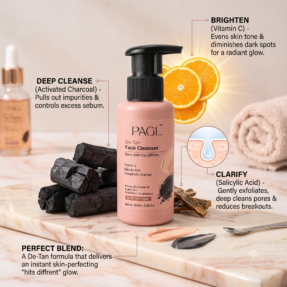
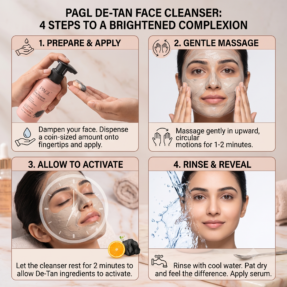
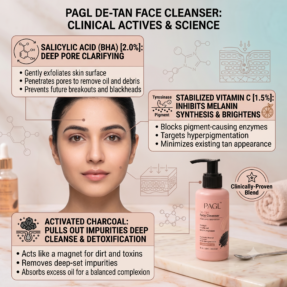
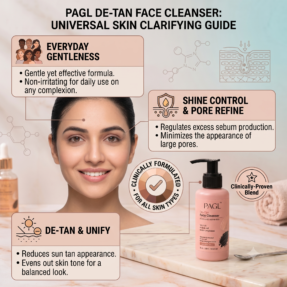
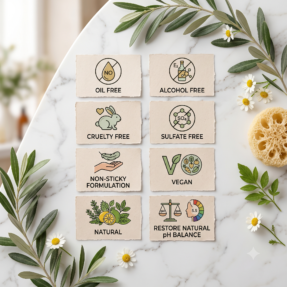

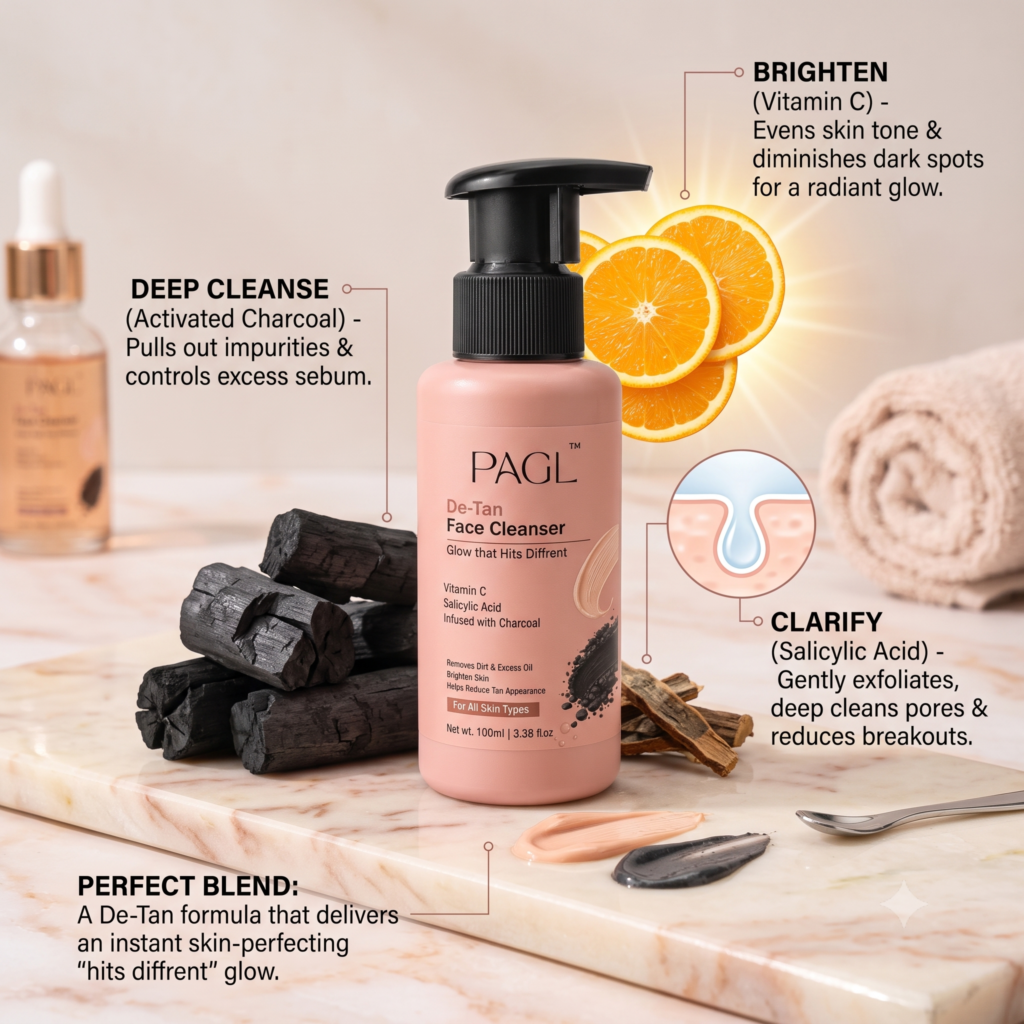
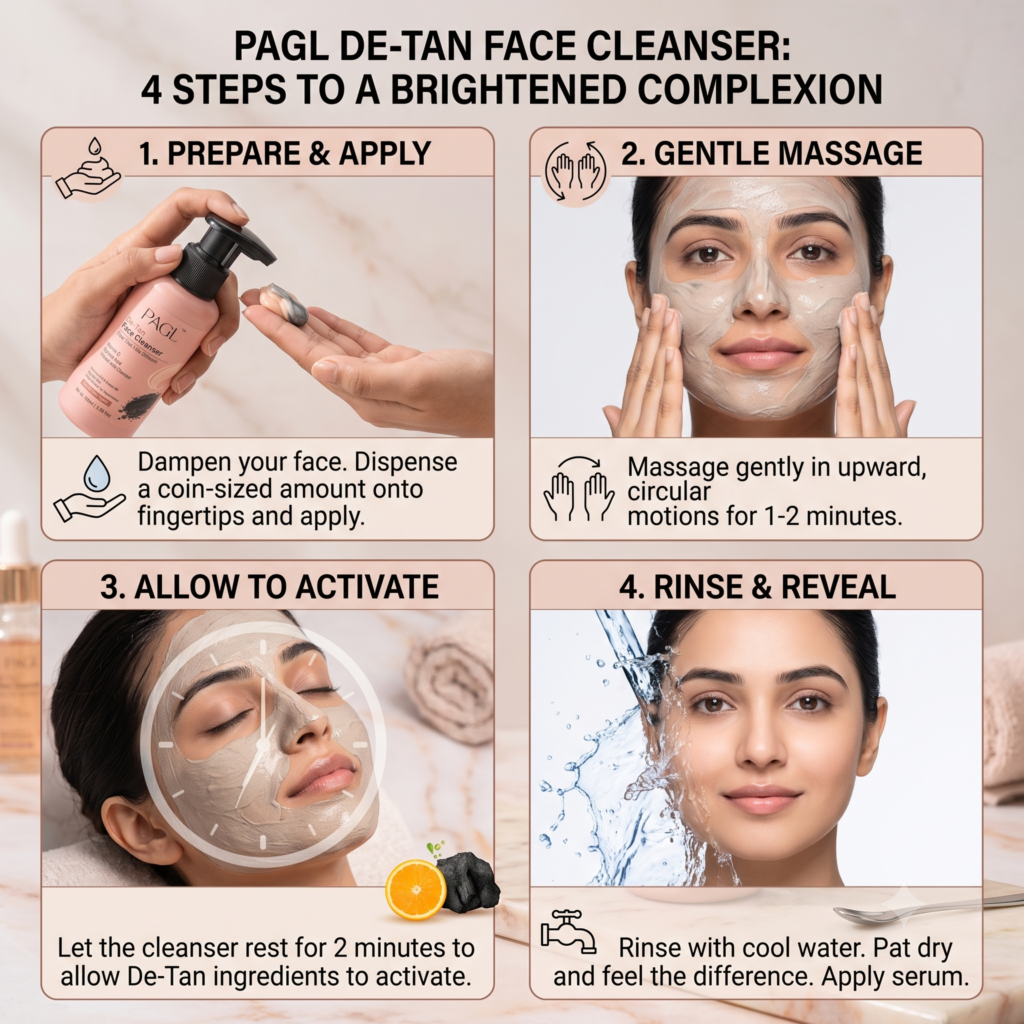
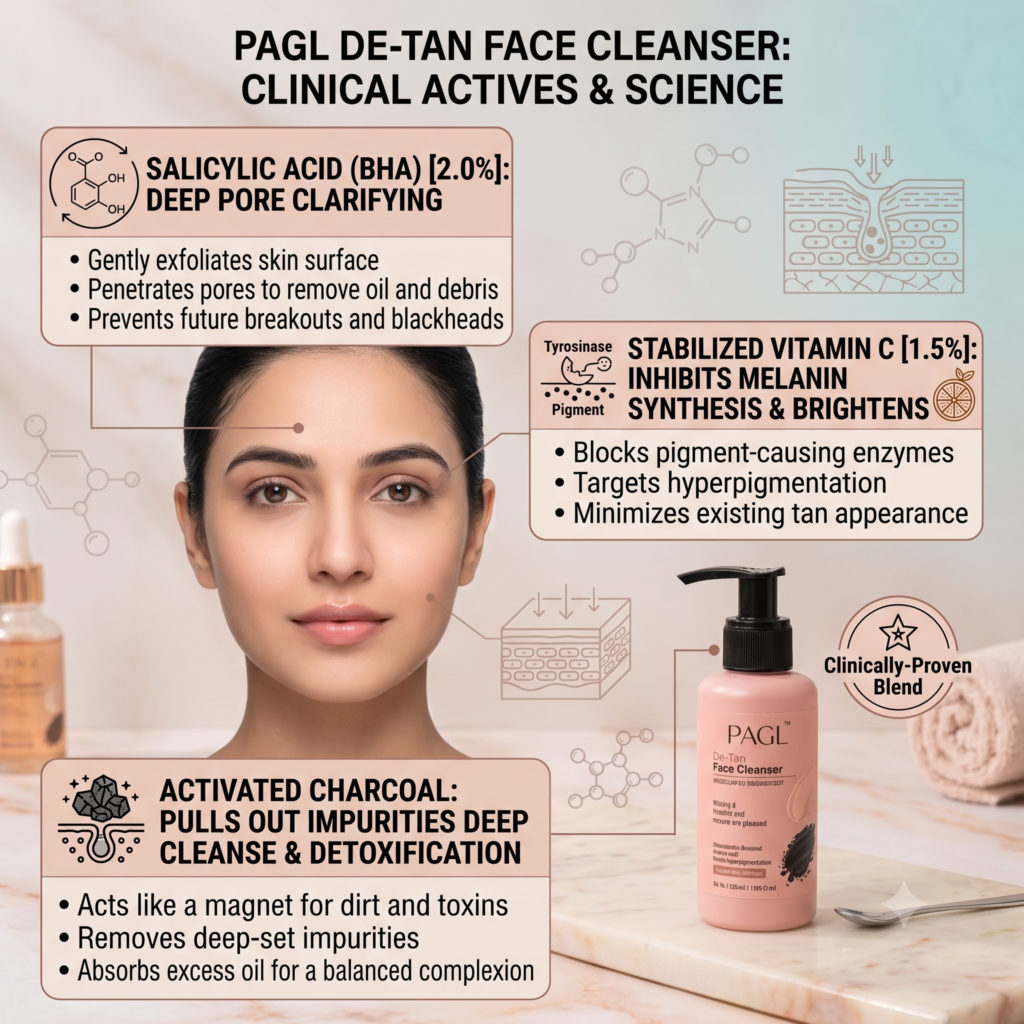
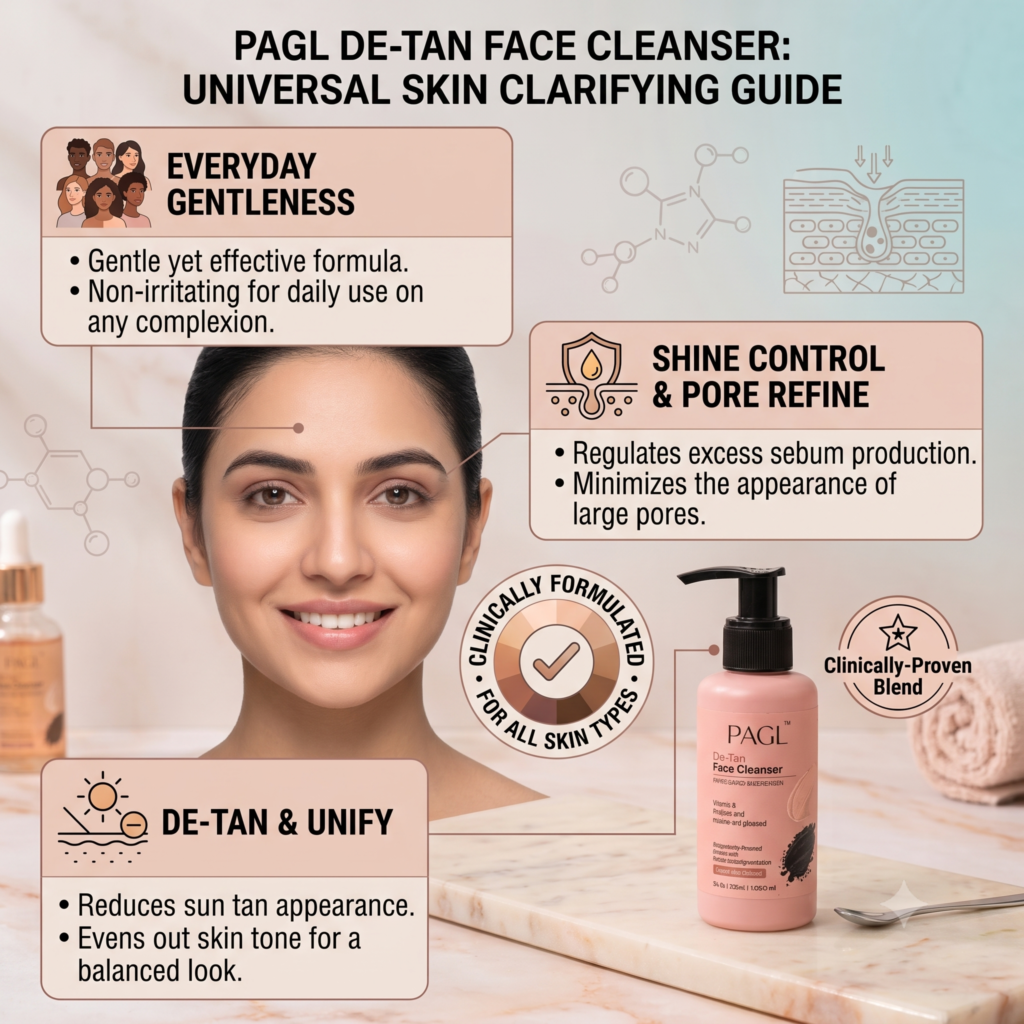
De-Tan Face Cleanser with Vitamin C, Salicylic Acid & Charcoal
De-Tan Face Cleanser helps restore your skin’s natural radiance with every wash. The advanced formula works to brighten skin, improve texture, and leave your face feeling fresh, clean, and revitalized.
How to manage whiteheads
Keep your routine simple. Cleanse gently, avoid heavy products that seem to worsen your breakouts, and choose non-comedogenic products where possible.
A topical retinoid may help unclog pores, but it is important to select an appropriate treatment and use it correctly. Retinoids should generally be avoided during pregnancy or when trying to conceive unless your clinician specifically advises otherwise.
Do not squeeze whiteheads. Picking can worsen inflammation and increase the risk of marks or scars.
3. Papules: Small Red or Inflamed Bumps
Papules are inflamed acne lesions that appear as raised bumps. They may look pink, red, brown or purple depending on your skin tone.
Unlike pustules, papules do not have a visible pus-filled centre.
How to identify papules
- They appear as small raised bumps.
- They may feel tender or sore.
- The surrounding skin can look inflamed.
- Several papules may appear together in an acne-prone area.
Papules can develop when a blocked follicle triggers inflammation deeper in the skin.
How should you care for papules?
Avoid harsh scrubs, aggressive cleansing and repeated attempts to dry out the spots. These practices can compromise the skin barrier and make irritation more noticeable.
Depending on the severity of your acne, a dermatologist or pharmacist may recommend an evidence-based treatment containing an ingredient such as benzoyl peroxide or salicylic acid. The right choice depends on your skin, the pattern of your breakouts and any other treatment you use.
If papules are widespread, painful or continue to appear despite consistent care, seek professional advice.
4. Pustules: Pimples With a White or Yellow Centre
Pustules are inflamed pimples that contain pus. They often have a white or yellow-looking centre surrounded by inflamed skin.
How to identify pustules
- They are raised and visibly inflamed.
- A white or yellow centre may be present.
- The surrounding area may appear red, brown or darker than the surrounding skin.
- They can feel tender or uncomfortable.
The white centre does not mean that the pimple is ready to be squeezed. Opening it yourself can damage surrounding tissue and increase the risk of infection, marks and scarring.
How to manage pustules safely
Wash your face gently with lukewarm water and a suitable cleanser. Avoid popping the pimple or applying toothpaste, lemon juice or other irritating home remedies.
Some acne treatments can help manage inflammatory acne, but using several strong ingredients together may cause dryness, peeling and irritation. Follow product directions and seek professional advice if the breakout is extensive or painful.
If pustules keep returning, a dermatologist can help identify a suitable treatment plan.
5. Nodules: Deep and Painful Lumps Under the Skin
Nodules are larger, firm acne lesions that develop deeper in the skin. They can feel painful even when there is little visible material at the surface.
How to identify nodular acne
- The lump feels firm and sits beneath the skin.
- It may be larger than an ordinary pimple.
- It can remain for an extended period.
- It may be painful or tender when touched.
- It can leave scars or persistent dark marks.
Nodules are not the same as small surface-level whiteheads or blackheads. Because they form deeper in the skin, ordinary cleansing alone will not treat them.
What should you do about nodules?
Do not squeeze, puncture or attempt to drain a deep lump at home. Avoid repeatedly applying spot treatments in the hope of making it disappear overnight.
Nodular acne often needs medical treatment. Arrange a dermatologist appointment, especially if you have multiple painful lesions or are developing scars.
Early treatment can help reduce the risk of long-term skin changes.
6. Cysts: Deep, Pus-Filled Acne Lesions
Acne cysts are deep, inflamed lesions that can contain pus. They may look like large swollen bumps and can be painful.
How to recognise possible acne cysts
- They develop deep beneath the skin.
- They may be swollen and tender.
- They can contain pus.
- They may persist and heal slowly.
- They carry a risk of scarring.
Nodules and cysts can look similar, and it is not always possible to distinguish them accurately at home.
How should cystic acne be treated?
Seek assessment from a dermatologist rather than trying to drain a cyst yourself. Depending on the diagnosis and severity, treatment may involve prescription medication or a procedure performed by a qualified professional.
Do not rely on a cosmetic cleanser, face mist or home remedy to treat deep cystic acne. Gentle skincare can support your routine, but it does not replace appropriate medical treatment.
How to Tell the Six Types of Pimples Apart
| Type | Typical appearance | Depth or inflammation |
|---|---|---|
| Blackheads | Dark dots in open pores | Usually non-inflammatory |
| Whiteheads | Small white or skin-coloured bumps | Usually non-inflammatory |
| Papules | Raised inflamed bumps without visible pus | Inflamed |
| Pustules | Inflamed bumps with a white or yellow centre | Inflamed, pus-filled |
| Nodules | Firm, deeper lumps | Deep and often painful |
| Cysts | Deep, swollen lesions that may contain pus | Deep and potentially severe |
These are typical descriptions, not a way to diagnose yourself. Other skin conditions can resemble acne, and appearance can vary across different skin tones.
Why Do Pimples Appear on the Face?
There is no single cause of acne. Several factors can contribute, and different people may have different triggers.
1. Excess oil and blocked pores
Sebum helps lubricate the skin, but excess oil combined with dead skin cells can contribute to clogged follicles.
2. Hormonal changes
Hormonal fluctuations during adolescence, menstrual cycles and other life stages can affect oil production. Persistent acne in adults may also warrant medical assessment.
3. Skincare and makeup products
Some products may clog pores or irritate your skin. If you notice a pattern after starting a new product, consider whether it could be contributing and simplify your routine.
4. Sweat, heat and humidity
India’s hot and humid weather can make the skin feel oily and uncomfortable. Sweat, friction, tight clothing around the face or head, and leaving sweaty skin unwashed may aggravate breakouts in some people.
Sweat itself does not mean your skin is dirty. Cleanse gently after heavy sweating instead of scrubbing repeatedly.
5. Stress and sleep disruption
Stress may worsen acne for some people, while poor sleep can make it harder to maintain consistent skincare habits. Neither factor alone explains every breakout.
6. Picking and squeezing
Repeatedly touching or squeezing pimples can increase inflammation and raise the risk of marks and scars.
A Simple Daily Skincare Routine for Acne-Prone Skin
You do not need a complicated 10-step routine to care for acne-prone skin. Start with a few consistent steps and adjust according to your skin’s response.
Morning routine
Step 1: Cleanse gently
Use a cleanser that suits your skin. Avoid rough scrubs and very hot water.
If you want to explore a cleanser as part of your everyday routine, see the PAGL De-Tan Face Cleanser with Vitamin C, Salicylic Acid and Charcoal. Check the ingredient list and directions, and discontinue use if it causes irritation. A cosmetic cleanser should not be treated as a cure for acne.
Step 2: Moisturise
Choose a moisturiser that supports your skin barrier and does not feel excessively heavy for your skin type. Even oily skin can become irritated or dehydrated.
Step 3: Apply sunscreen
Use a broad-spectrum sunscreen with SPF 30 or higher. Reapply according to the label, especially after sweating or prolonged outdoor exposure.
Evening routine
Step 1: Remove sunscreen and makeup
Cleanse gently to remove daily residue. Avoid aggressive double cleansing if it leaves your skin tight or irritated.
Step 2: Use targeted acne treatment if appropriate
Depending on the type of acne, an evidence-based treatment may help. Start carefully, follow the directions and consult a pharmacist or dermatologist if you are unsure which ingredient is suitable.
Step 3: Moisturise
Apply a suitable moisturiser to help reduce dryness and irritation.
Where does rose water fit in?
A face mist can be an optional step for refreshment, but it is not a substitute for acne treatment, moisturiser or sunscreen.
If you enjoy a refreshing mist, you can explore the PAGL Rose Water Face Mist. Check the full ingredient list, patch-test before regular use and stop using it if you notice stinging, itching or worsening irritation.
Rose water should not be assumed to treat blackheads, pustules, nodules or cysts.
Common Mistakes to Avoid When You Have Pimples
Washing your face too frequently
Repeated washing can irritate the skin. For many people, gentle cleansing twice daily and after heavy sweating is sufficient.

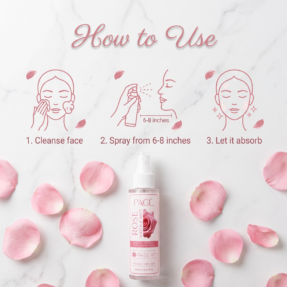
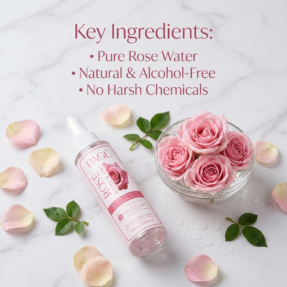
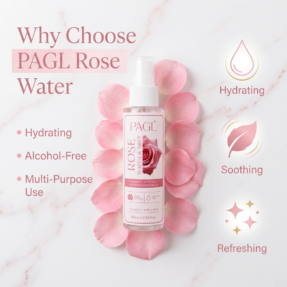
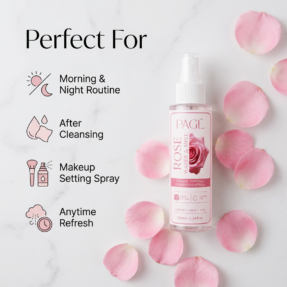


Rose Water Face Mist Spray | Natural Toner for Face, Skin & Hair | Hydrating, Refreshing & Alcohol-Free
Refresh and hydrate your skin with every spray. Alcohol-free rose water for a naturally radiant glow.
Instantly soothe, tone, and revitalize your skin with pure rose water. Perfect for everyday hydration.
Using too many active ingredients
Combining multiple exfoliating acids, scrubs and spot treatments can lead to redness, peeling and discomfort. Introduce new products gradually.
Popping pimples
Squeezing can push inflammation deeper and increase the chance of scars or dark marks.
Expecting overnight results
Acne treatments generally need consistent use over several weeks. Frequently changing products makes it harder to determine what works.
Skipping moisturiser
Dryness and irritation can make your routine difficult to maintain. Choose a moisturiser suited to your skin rather than avoiding moisturiser entirely.
Using home remedies that irritate the skin
Lemon juice, toothpaste and harsh DIY mixtures may cause irritation and should not be used as acne treatments.
When Should You See a Dermatologist?
Consider professional assessment if:
- You have deep, painful nodules or cysts.
- Your acne is widespread or worsening.
- You notice new scars or persistent dark marks.
- Breakouts are affecting your confidence or emotional well-being.
- Your skin becomes very irritated after using a product.
- Over-the-counter treatment has not helped after consistent use.
- You are unsure whether the bumps are acne or another skin condition.
A dermatologist can identify the type and severity of acne and recommend treatment based on your individual needs.
Frequently Asked Questions About Types of Pimples on Face
1. What are the six main types of pimples?
The six commonly described acne lesions are blackheads, whiteheads, papules, pustules, nodules and cysts.
2. What is the difference between blackheads and whiteheads?
Blackheads form in open pores and look dark because of a chemical reaction involving the material inside the pore. Whiteheads form when a pore is blocked beneath a closed surface and appear white or skin-coloured.
3. What is the difference between papules and pustules?
Papules are inflamed raised bumps without a visible pus-filled centre. Pustules are inflamed bumps that contain pus and may have a white or yellow centre.
4. Which type of pimple is the most serious?
Deep, painful nodules and cysts can indicate more severe acne and carry a greater risk of scarring. A dermatologist should assess these lesions.
5. Can I remove pimples by washing my face more often?
No. Washing more frequently does not necessarily improve acne and may irritate your skin. Gentle cleansing is preferable to excessive washing or scrubbing.
6. Is rose water enough to treat pimples?
No. A rose water face mist may be used for refreshment if your skin tolerates it, but it is not an established standalone treatment for acne.
7. Can a cleanser cure acne?
A cleanser can be one part of a skincare routine, and certain active ingredients may help manage some acne lesions. However, a cosmetic cleanser cannot be guaranteed to cure acne, especially deep or severe acne.
8. How long does acne treatment take to work?
Improvement usually takes several weeks, and some treatments need a few months for their full effect. Follow the treatment directions and consult a professional if your acne is worsening or not improving.
Final Thoughts
Understanding the types of pimples on face helps you recognise why a blackhead, whitehead, inflamed pimple and deep painful lump may need different approaches.
Keep your skincare routine gentle and consistent. Avoid picking, introduce active ingredients carefully, moisturise and use sunscreen. Cosmetic products can support daily cleansing and skin comfort, but persistent, painful or scarring acne deserves professional care.
Healthy-looking skin is not about using the maximum number of products. It is about understanding your skin, choosing suitable care and seeking help when needed.
References
- American Academy of Dermatology: Acne signs and symptoms
- American Academy of Dermatology: How to treat different types of acne
- NHS: Acne overview and types of spots












Leave a Reply