
Pimples can be frustrating, especially when they appear repeatedly despite your efforts to keep your skin clean. Whether you are dealing with small bumps on your forehead, occasional pimples on your cheeks or recurring breakouts around your chin, finding a practical solution can feel overwhelming.
Many people search for ways to stop pimples coming on their face at home because they want simple, affordable skincare methods without complicated routines or expensive treatments.
The good news is that a consistent skincare routine and a few healthy habits can help manage mild acne and reduce some factors that contribute to breakouts.
However, it is important to understand that there is no guaranteed home remedy that permanently prevents or cures every type of acne. Persistent, painful or severe acne may require treatment from a dermatologist.
In this guide, we will explore 12 practical ways to care for acne-prone skin at home, ingredients that may help, common skincare mistakes and a simple daily routine suitable for Indian weather conditions.
Why Do Pimples Keep Coming on Your Face?
Pimples develop when hair follicles become blocked with excess oil and dead skin cells. Inflammation and acne-associated bacteria can then contribute to visible breakouts.
Several factors influence this process:
- Excess sebum production.
- Hormonal changes during puberty or adulthood.
- Accumulation of dead skin cells.
- Genetic predisposition.
- Certain skincare or haircare products.
- Friction and irritation from masks or helmets.
- Individual responses to stress and other lifestyle factors.
Acne is not simply caused by having a dirty face. In fact, washing too frequently or scrubbing aggressively can irritate the skin and make existing breakouts appear worse.
Understanding this distinction is important because effective home care should focus on protecting the skin barrier and managing acne, not stripping the skin of its natural oils.
12 Ways to Help Stop Pimples Coming on Your Face at Home
1. Wash Your Face Gently Twice a Day
Gentle cleansing is one of the most important habits for acne-prone skin.
Throughout the day, your skin accumulates sweat, oil, sunscreen, makeup and environmental particles. Removing these substances can help keep your skin comfortable and prevent unnecessary irritation.
How to cleanse correctly:
- Wet your face with lukewarm water.
- Apply a small amount of gentle cleanser.
- Massage lightly using your fingertips.
- Rinse thoroughly.
- Pat dry with a clean towel.
Avoid washing repeatedly throughout the day. For most people, cleansing in the morning and evening, plus after heavy sweating when needed, is sufficient.
When selecting a cleanser, look for a formula suited to your skin type. Some people with clogged pores may benefit from salicylic acid.
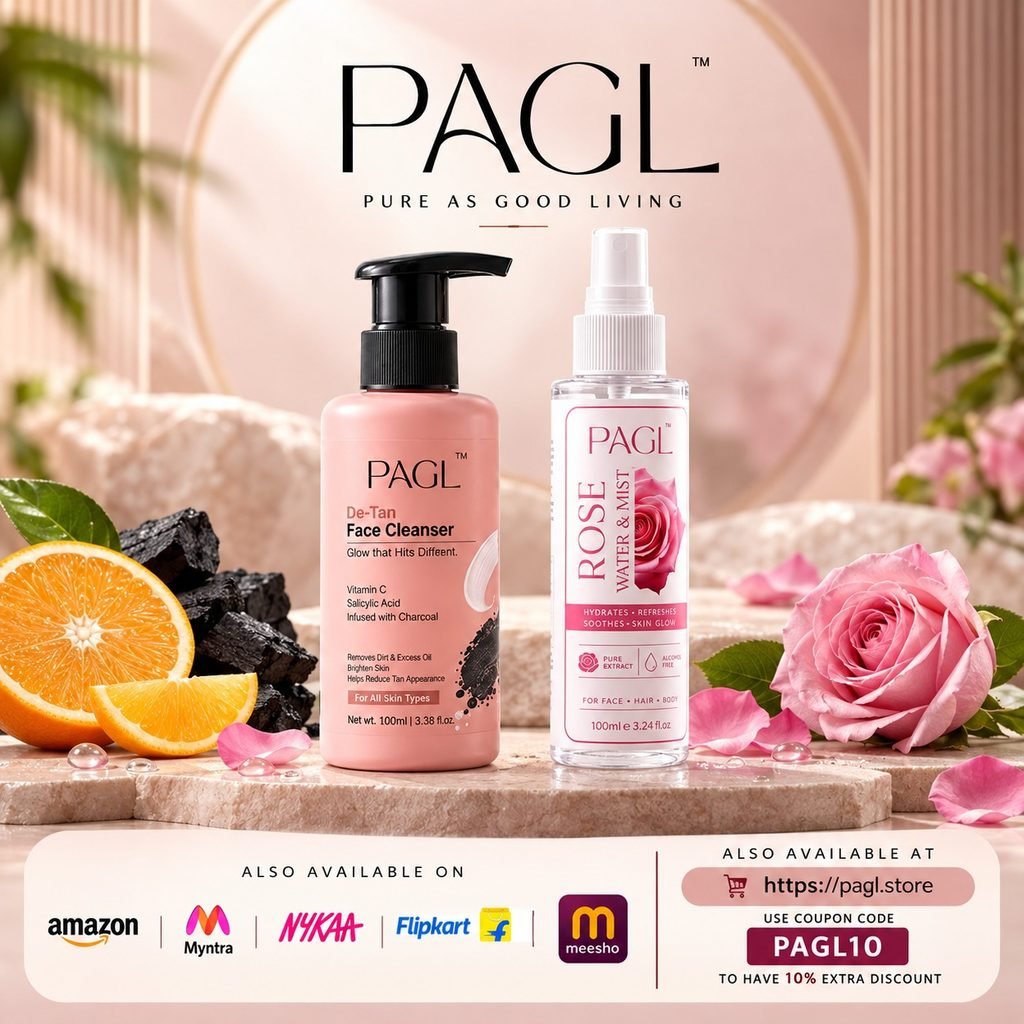
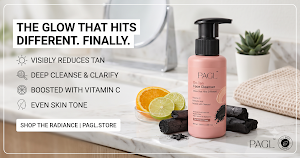
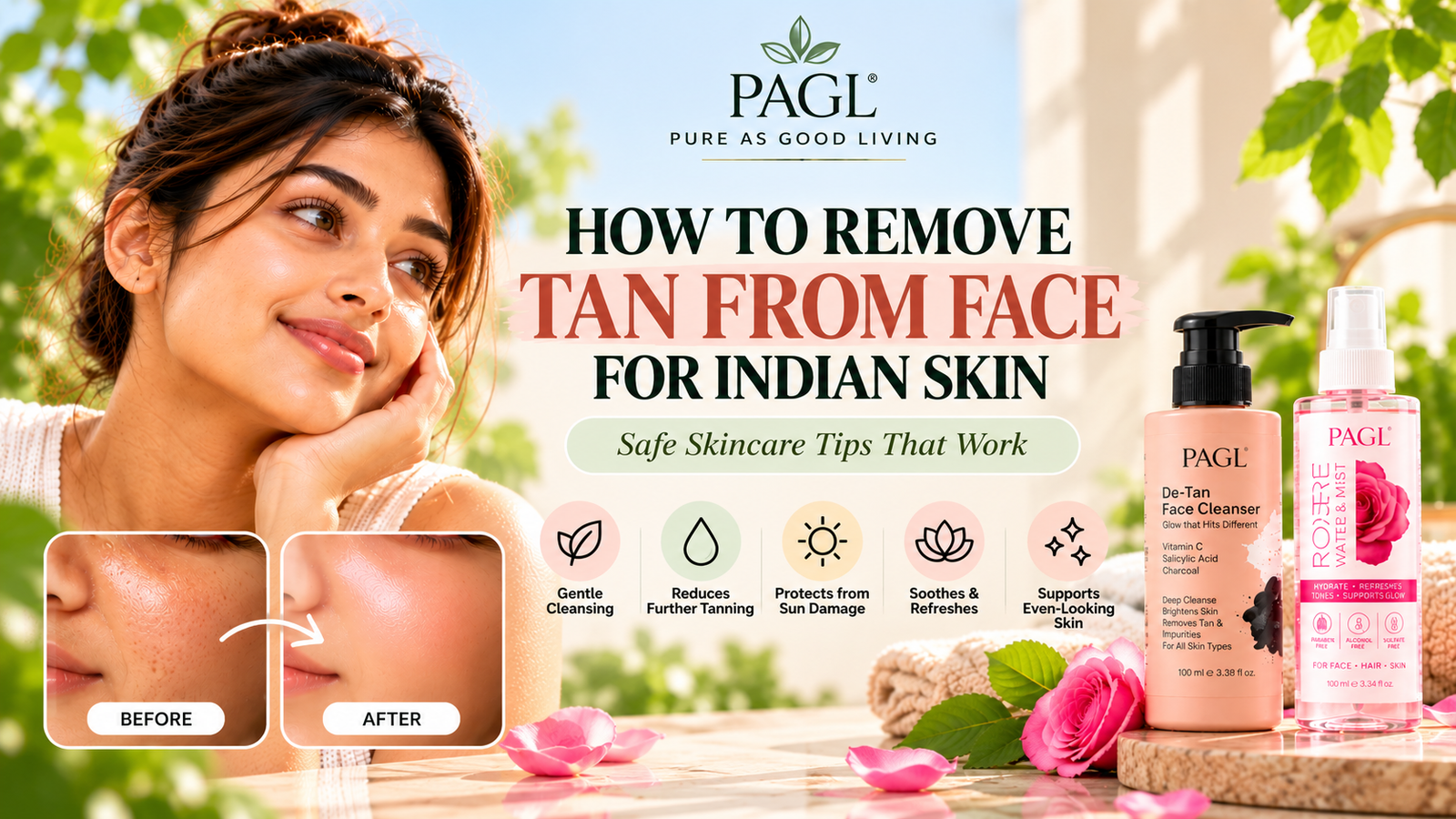
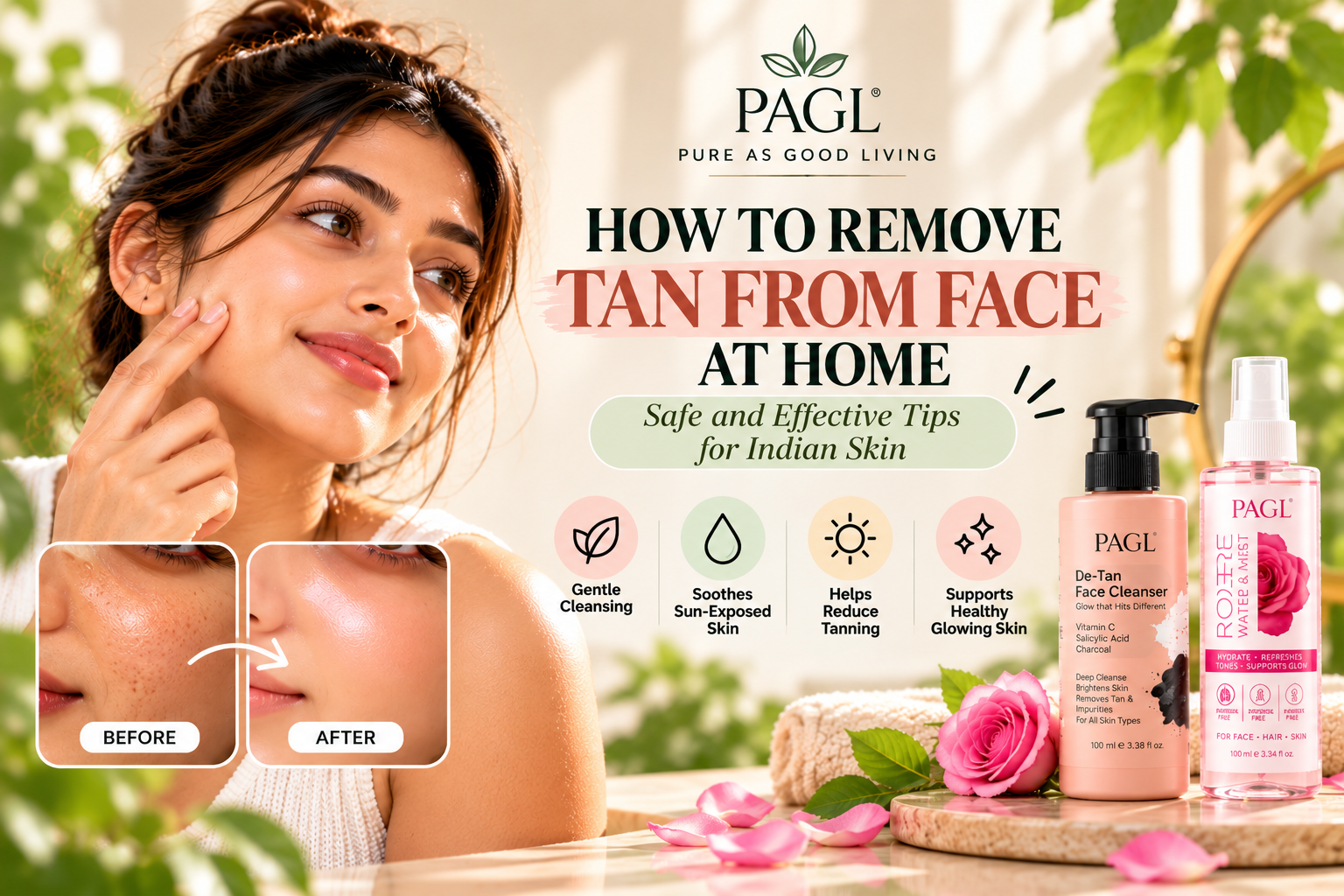
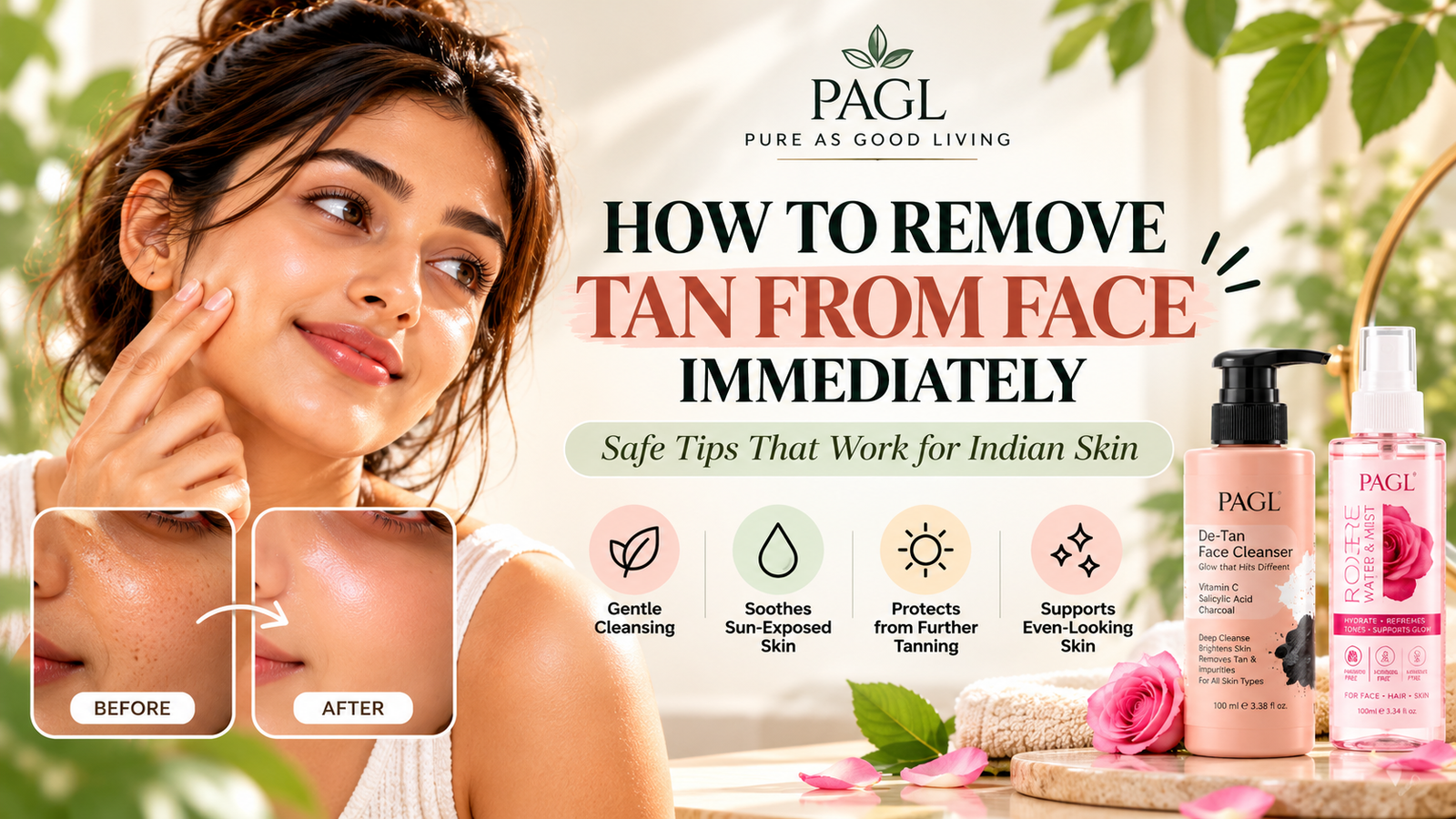
For example, PAGL De-Tan Face Cleanser with Vitamin C, Salicylic Acid and Charcoal is an option to consider for daily cleansing if your skin tolerates its formulation. It is a cosmetic cleanser, not a guaranteed treatment for acne.

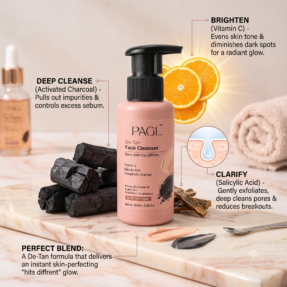
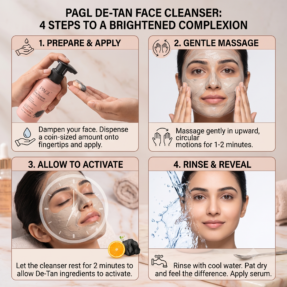
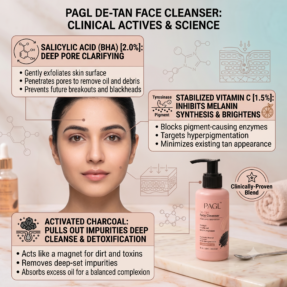
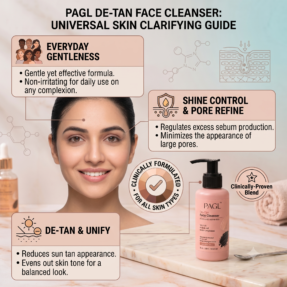
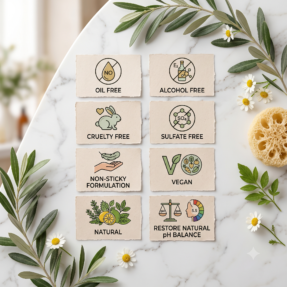

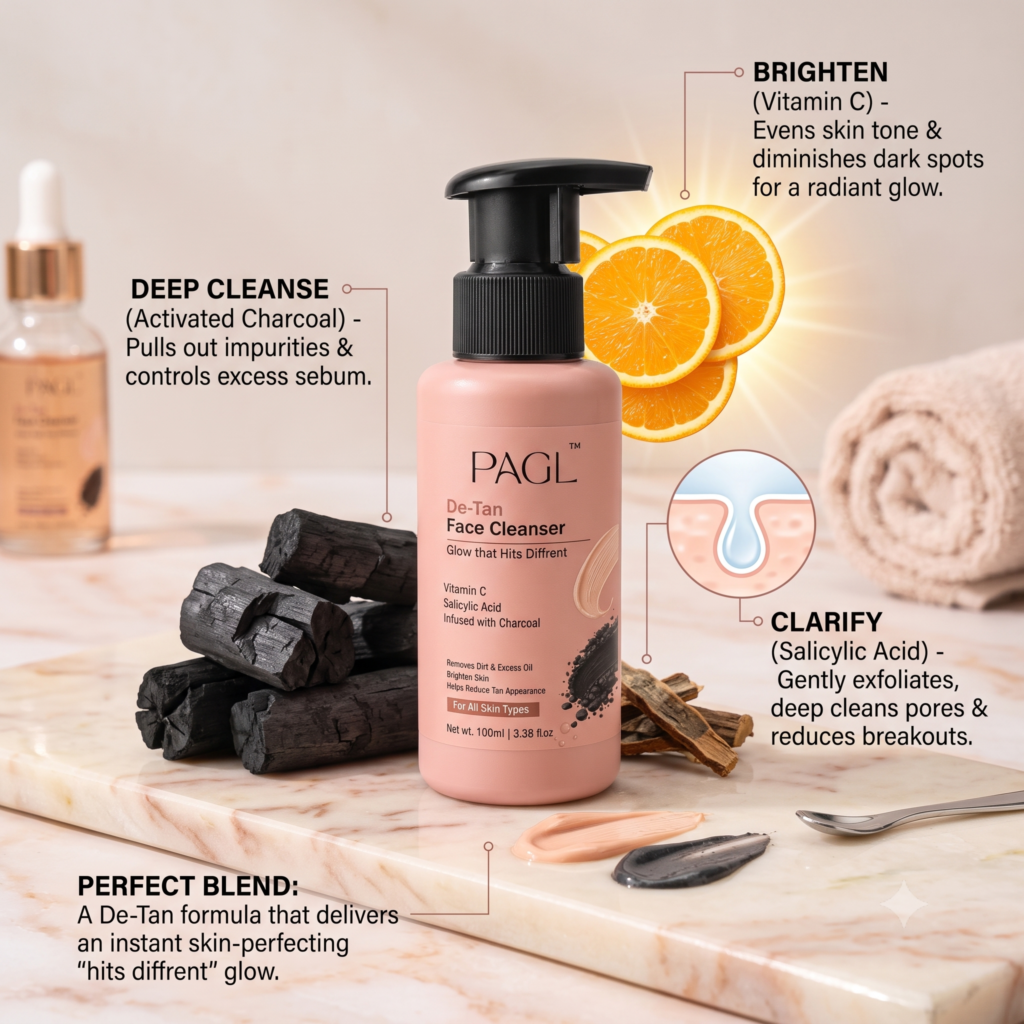
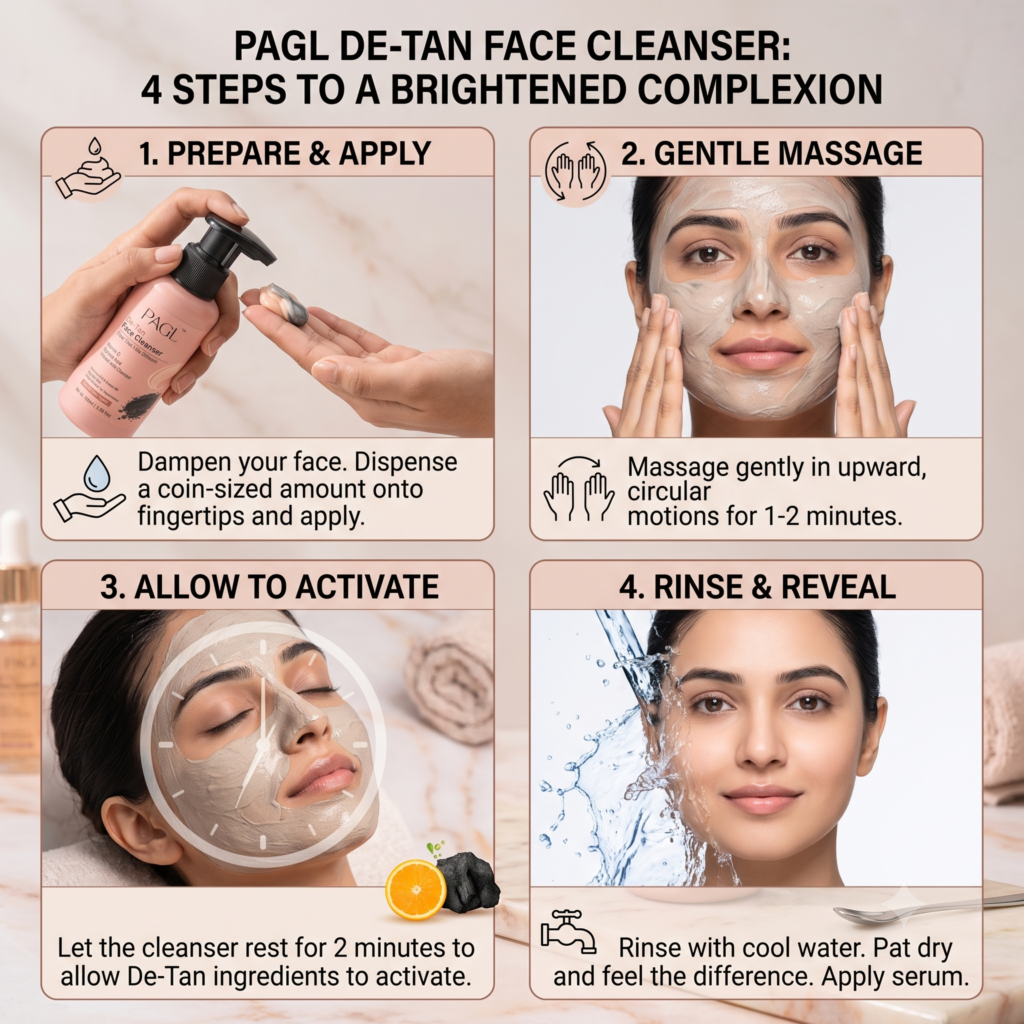
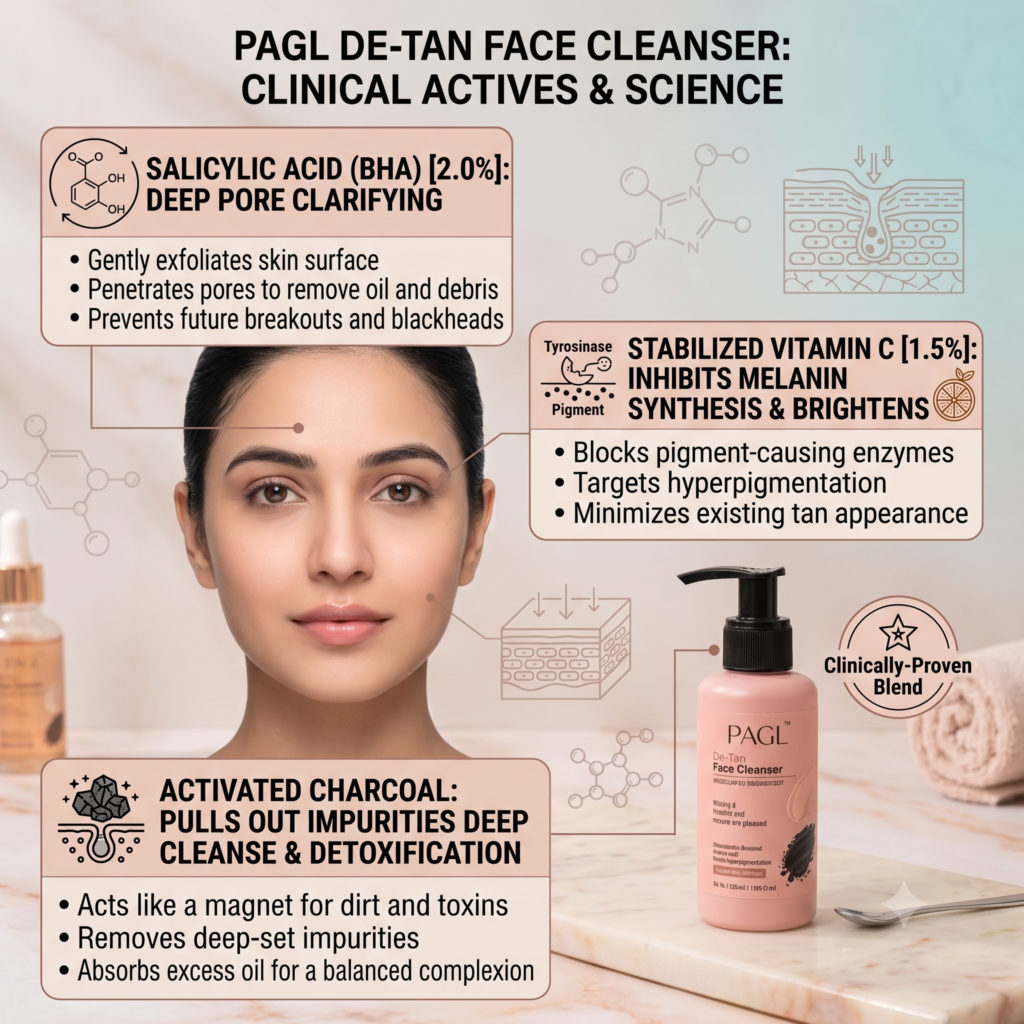
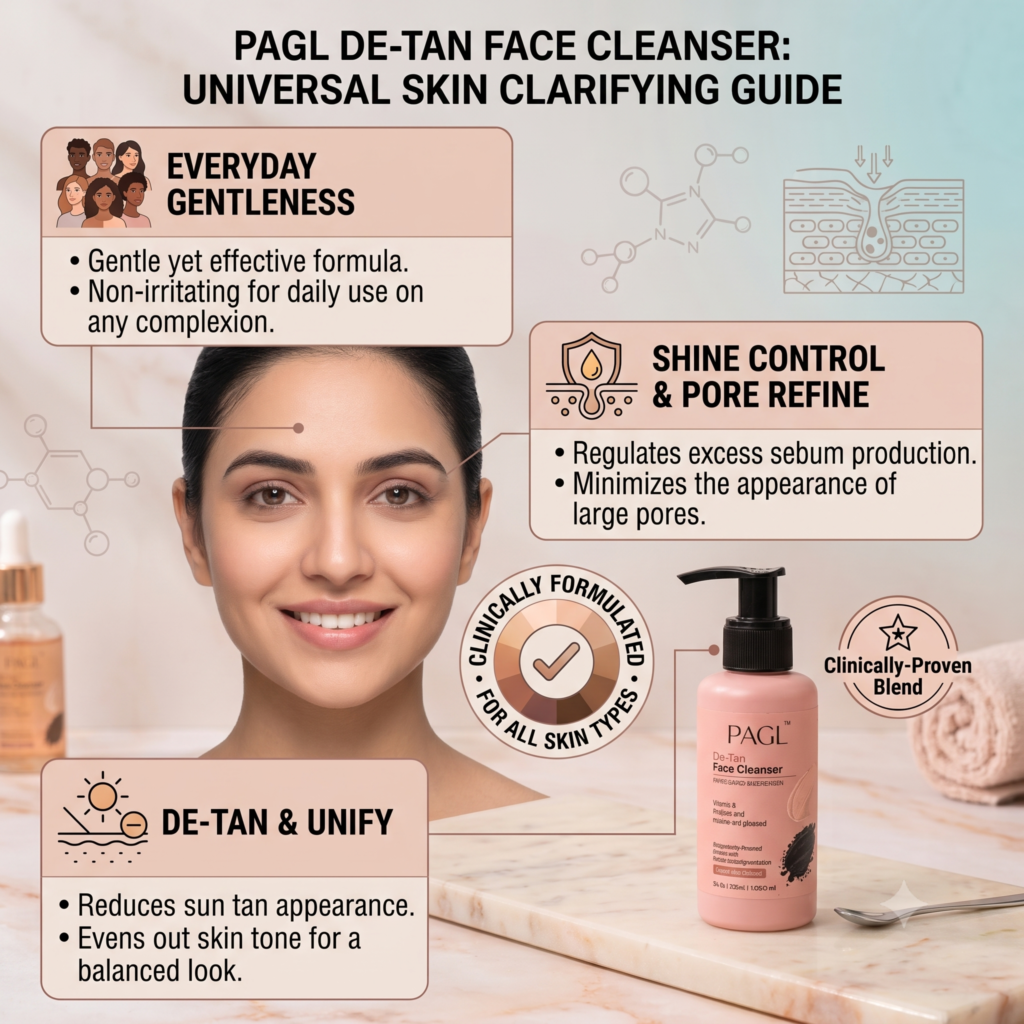
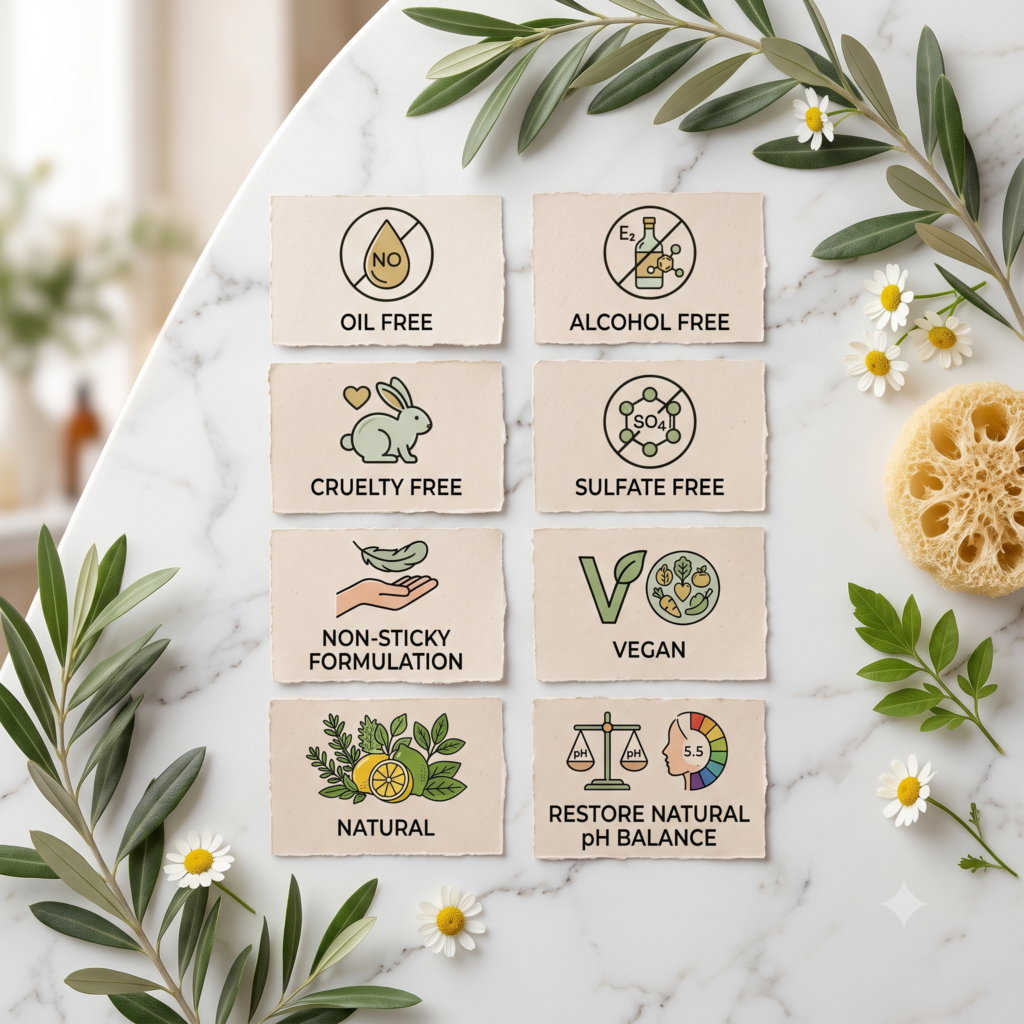
De-Tan Face Cleanser with Vitamin C, Salicylic Acid & Charcoal
De-Tan Face Cleanser helps restore your skin’s natural radiance with every wash. The advanced formula works to brighten skin, improve texture, and leave your face feeling fresh, clean, and revitalized.
2. Avoid Touching or Popping Pimples
One of the simplest home-care habits is to stop squeezing pimples.
When you squeeze an inflamed spot, you can damage surrounding skin tissue and increase inflammation.
This may lead to:
- Longer healing times.
- More noticeable redness.
- Post-inflammatory dark marks.
- Permanent acne scars.
Avoid pressing or scratching pimples, even when they develop a visible whitehead.
For deep or painful lesions, consult a dermatologist rather than attempting extraction at home.
3. Use a Lightweight, Non-Comedogenic Moisturiser
A common misconception is that oily skin does not need moisturiser.
However, moisturising can help maintain the skin barrier, particularly when you are using ingredients that cause dryness.
Look for a moisturiser described as non-comedogenic, meaning it is formulated to be less likely to clog pores.
Choose a texture that feels comfortable for your skin. Lightweight lotions or gels may appeal to people who dislike heavy creams.
Apply moisturiser after cleansing, while your skin is still slightly damp if appropriate for the product.
4. Apply Sunscreen Every Morning
Sun protection is important for everyone, including people with acne-prone skin.
UV exposure can worsen the appearance of dark marks left behind after pimples heal.
Choose a broad-spectrum sunscreen with SPF 30 or higher. A non-comedogenic formulation may be preferable if you frequently experience clogged pores.
Apply sunscreen according to the label and reapply when needed, particularly during extended outdoor exposure.
For Indian cities such as Pune, Mumbai, Hyderabad and Delhi, regular sun protection is an important year-round skincare habit.
Sunscreen does not directly cure pimples, but it supports overall skin health and helps protect against UV damage.
5. Keep Your Pillowcases and Towels Clean
Your face comes into regular contact with pillowcases, towels and other fabrics.
Keeping these items clean is a sensible hygiene habit, particularly if you use hair oils, makeup or skincare products that transfer onto fabrics.
Consider:
- Changing pillowcases regularly.
- Using a clean towel to dry your face.
- Avoiding shared face towels.
- Washing makeup brushes and reusable applicators.
- Cleaning your phone screen.
These steps do not eliminate the underlying causes of acne, but they can help reduce unnecessary skin contact with residue and potential irritants.
6. Keep Hair Oils Away From Your Forehead
Hair oils and styling products can contribute to breakouts around the hairline in some people.
If you frequently experience small bumps on your forehead, consider whether hair products are coming into contact with your skin.
You can try keeping oily hair away from your face, rinsing conditioner thoroughly and choosing haircare products that are less likely to clog pores.
Avoid applying heavy hair oil directly to the forehead or temples.
If the bumps persist, a dermatologist can help determine whether they are acne or another skin condition.
7. Manage Sweat After Exercise
Sweat itself is not the sole cause of acne, but sweat combined with friction, occlusive clothing or irritating products may aggravate breakouts.
This is particularly relevant during Indian summers and humid monsoon weather.
After exercise:
- Gently wash your face when practical.
- Avoid rubbing sweat away aggressively.
- Change out of sweaty clothes.
- Clean reusable helmet liners or other equipment that touches your skin.
- Choose breathable clothing when appropriate.
You do not need to stop exercising because of pimples. Physical activity supports overall health, and a sensible hygiene routine can help keep your skin comfortable.
8. Avoid Harsh Scrubs and Excessive Exfoliation
Scrubbing your face vigorously does not remove acne from beneath the skin.
In fact, aggressive exfoliation can irritate inflamed pimples and damage the skin barrier.
Avoid coarse scrubs, rough cleansing brushes and repeatedly rubbing the same area.
If you want to use an exfoliating ingredient such as salicylic acid, introduce it gradually and follow the product instructions.
People already using prescription acne medicines should ask their dermatologist before adding additional exfoliating products.
9. Use Acne Ingredients With Evidence Behind Them
Some over-the-counter ingredients have evidence supporting their use for mild acne.
Salicylic acid: May help unclog pores and manage blackheads or whiteheads.
Benzoyl peroxide: Can help reduce acne-associated bacteria and inflammatory pimples.
Adapalene: A topical retinoid used to help prevent blocked follicles and manage acne.
Azelaic acid: May help with acne and post-inflammatory pigmentation.
The right ingredient depends on your skin type, acne severity and existing treatment.
Introduce products carefully and avoid using multiple strong active ingredients simultaneously without guidance.
Topical retinoids should generally be avoided during pregnancy or when trying to become pregnant. Seek professional advice about suitable alternatives.
10. Use a Face Mist Only as an Optional Refreshing Step
During hot weather, some people enjoy using a facial mist to refresh their skin.
A face mist is not necessary for acne treatment, but it can be an optional part of a skincare routine if your skin tolerates the ingredients.
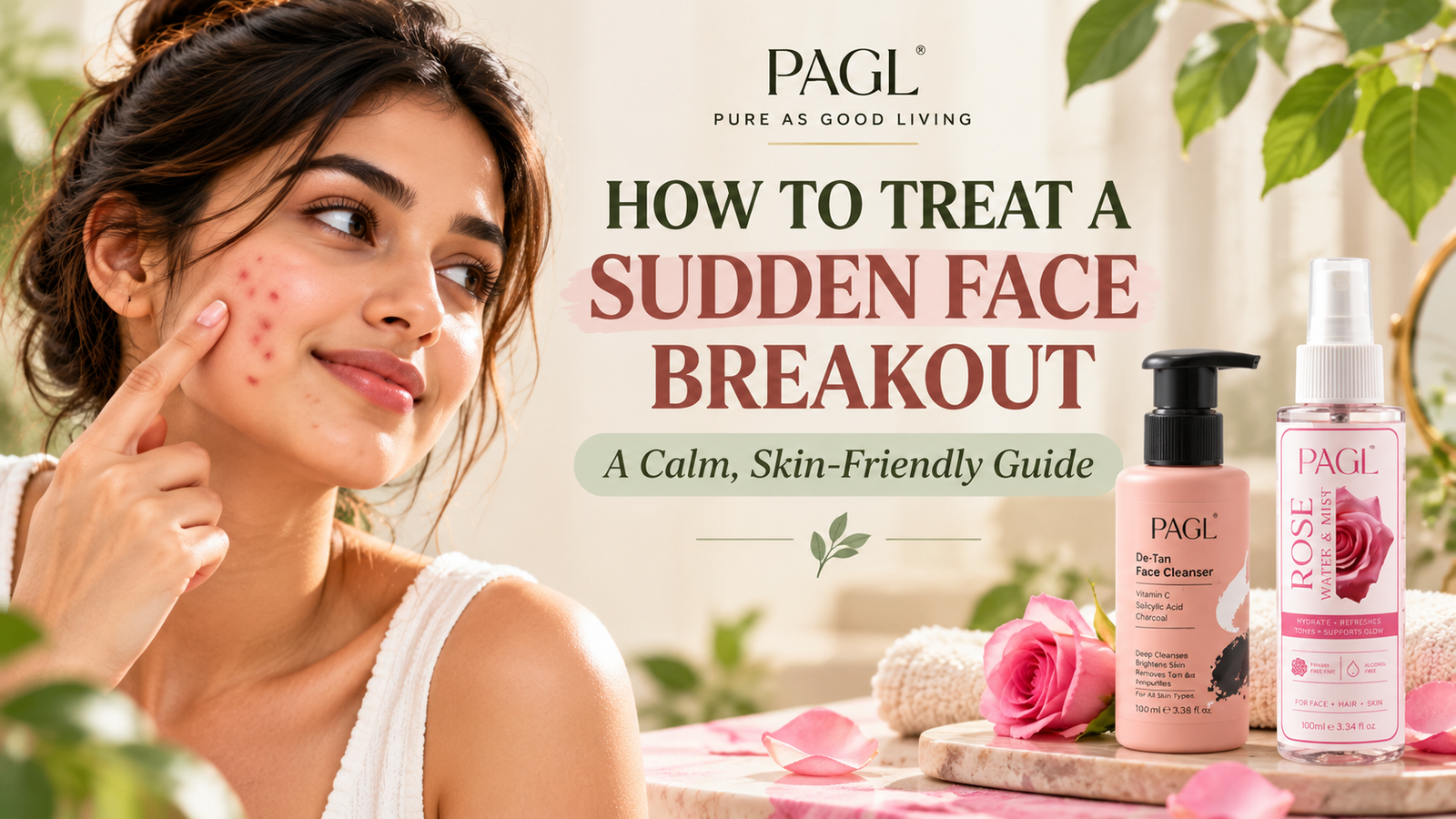
For example, PAGL Rose Water Face Mist may be used as a refreshing step if it suits your skin.
However, rose water is not an established treatment for acne, and a mist should not replace moisturiser, sunscreen or prescribed medication.
Patch-test new products and stop using them if they cause irritation.
11. Maintain Balanced Eating Habits
Diet may influence acne in some people, although no single food causes breakouts in everyone.
Some research suggests that high-glycaemic dietary patterns may be associated with acne. However, the evidence varies, and diet is only one factor involved in this condition.
Rather than following restrictive diets, focus on balanced meals that include vegetables, fruit, whole grains and adequate protein.
Stay hydrated according to your needs.
Drinking extra water does not directly cure acne, but adequate hydration supports general health.
If you notice a consistent relationship between certain foods and breakouts, discuss it with a qualified healthcare professional before eliminating major food groups.
12. Follow a Consistent Routine and Give It Time
One of the biggest mistakes people make is changing skincare products too frequently.
Acne treatments generally require several weeks to show noticeable improvement.
Switching products every few days makes it difficult to understand which ingredients are helping and which may be irritating your skin.
Start with a simple routine and introduce new products one at a time.
If you have deep, painful acne, developing scars or persistent breakouts despite suitable treatment, seek dermatology advice instead of waiting indefinitely.
Simple Morning and Night Skincare Routine for Pimples
A practical skincare routine does not need to involve many products.
Morning routine
Step 1: Gentle cleansing
Wash your face with a cleanser that suits your skin.
If you prefer a salicylic acid-containing cleanser, consider how it fits with your existing skincare products and whether it causes irritation.
Step 2: Moisturiser
Apply a lightweight, non-comedogenic moisturiser.
Step 3: Sunscreen
Use broad-spectrum SPF 30 or higher and reapply according to the label.
Optional step: Refreshing mist
If you enjoy using a face mist, the PAGL Rose Water Face Mist can be considered as an optional skincare step if your skin tolerates it.

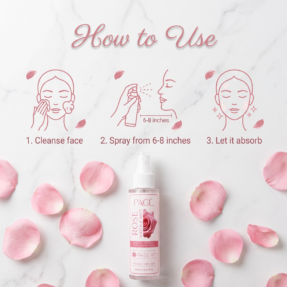
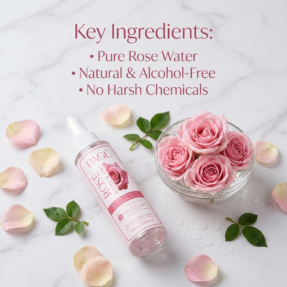
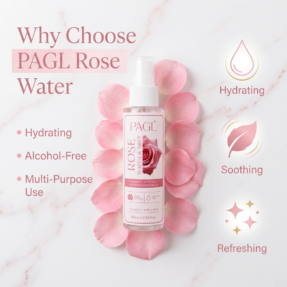
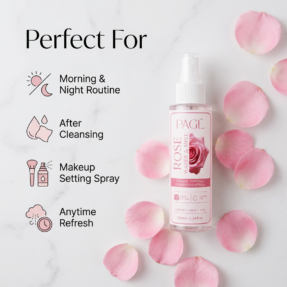


Rose Water Face Mist Spray | Natural Toner for Face, Skin & Hair | Hydrating, Refreshing & Alcohol-Free
Refresh and hydrate your skin with every spray. Alcohol-free rose water for a naturally radiant glow.
Instantly soothe, tone, and revitalize your skin with pure rose water. Perfect for everyday hydration.
Night routine
Step 1: Remove makeup and sunscreen
Cleanse thoroughly but gently.
Step 2: Use appropriate acne treatment
Apply your chosen acne medicine according to the product directions or dermatologist’s instructions.
Step 3: Moisturise
Use moisturiser to support your skin barrier.
If your skin is sensitive or already using prescription acne medication, avoid adding unnecessary exfoliating products.
Home Remedies for Pimples: What Works and What Should You Avoid?
Many home remedies are popular on social media, but not all are safe.
Warm compress
A clean, warm, damp washcloth may help soothe a deep, painful pimple.
Apply it gently for around 10 to 15 minutes. Do not use excessively hot water or attempt to squeeze the lesion.
This is a comfort measure, not a cure for severe acne.
Hydrocolloid pimple patches
Hydrocolloid patches may help protect certain superficial pimples from picking and absorb fluid from spots that have opened.
They do not treat deep nodules or cysts and should not replace appropriate acne treatment.
Aloe vera
Aloe vera is commonly used in skincare, but evidence that it independently cures acne is limited.
Some people tolerate aloe-containing products well, while others may experience irritation or allergic reactions.
Patch-test new products before applying them to larger areas.
Toothpaste
Do not apply toothpaste to pimples. It is not formulated for acne treatment and may irritate the skin.
Lemon juice
Lemon juice can irritate the skin and may cause unwanted skin reactions, particularly with sun exposure.
It is not a recommended acne treatment.
Baking soda
Baking soda may disrupt the skin’s normal surface environment and cause irritation.
Avoid using it as a facial acne treatment.
Undiluted essential oils
Concentrated essential oils can cause irritation or allergic reactions. They should not be applied directly to inflamed acne.
The safest home-care approach is usually a gentle skincare routine supported by appropriate, evidence-based acne treatment.
Common Mistakes That Can Make Pimples Worse
Avoid these habits when managing acne-prone skin.
Washing your face too frequently
Repeated cleansing can strip the skin and increase irritation.
Skipping moisturiser
Even oily skin may benefit from a suitable moisturiser, especially during acne treatment.
Using too many products
Combining several active ingredients without guidance may cause dryness, burning or peeling.
Sleeping with makeup
Remove makeup before bed to reduce product residue and potential pore-clogging effects.
Popping pimples
Squeezing can increase inflammation and the risk of scarring.
Expecting instant results
Most acne treatments require weeks rather than days to show meaningful improvement.
How Long Does It Take to Reduce Pimples at Home?
The timeline varies depending on your skin, the type of acne and the treatment used.
| Time frame | Possible progress |
|---|---|
| First week | Some individual spots may begin to settle |
| 2 to 4 weeks | Your skin may begin adjusting to a consistent routine |
| 4 to 8 weeks | Some treatments may show noticeable improvement |
| 8 to 12 weeks | More substantial improvement may occur with an effective plan |
These are approximate timelines, not guarantees.
If your skin develops significant irritation or acne worsens, seek professional advice.
When Should You See a Dermatologist?
Home care is not always enough.
Consult a dermatologist if:
- You experience deep, painful pimples or cysts.
- Acne is leaving permanent scars.
- Breakouts are widespread or worsening.
- Suitable over-the-counter treatments are not helping.
- You develop persistent irritation from skincare products.
- Acne is affecting your confidence or emotional wellbeing.
Early treatment can help reduce the risk of additional scarring.
Final Thoughts
Learning how to stop pimples coming on your face at home starts with building a simple and consistent skincare routine.
Gentle cleansing, moisturising, sun protection and avoiding picking can help protect your skin. Appropriate acne ingredients may also help manage mild breakouts.
For Indian weather conditions, pay attention to sweat, friction, sunscreen and skincare products that may irritate your skin.
Remember that no home remedy can guarantee permanently pimple-free skin. Persistent, painful or severe acne may require professional treatment.
Focus on safe skincare habits, realistic expectations and consistency rather than quick fixes.
Frequently Asked Questions
1. How can I stop pimples coming on my face naturally at home?
Gentle cleansing, moisturising, sunscreen, avoiding picking and keeping your skincare routine consistent can help. However, natural home care cannot guarantee that acne will disappear, and persistent acne may need medical treatment.
2. Can pimples be removed overnight?
There is no reliable way to eliminate every pimple overnight. Some spots may begin settling, but acne treatment generally takes time.
3. Is washing my face three or four times a day good for pimples?
Frequent washing can irritate the skin. Gentle cleansing twice daily and after heavy sweating is generally a better starting point.
4. Does rose water stop pimples?
Rose water is not an established acne treatment. A face mist may be refreshing if your skin tolerates it, but it should not replace appropriate acne treatment.
5. Is salicylic acid good for pimples?
Salicylic acid may help unclog pores and manage some types of mild acne. It can also cause irritation, particularly when combined with other strong skincare ingredients.
6. Can a de-tan cleanser prevent acne?
A de-tan cleanser should not be relied on to prevent or cure acne. Cleansing can remove surface oil and impurities, but acne may require specific treatments.
7. Does drinking more water cure pimples?
Drinking adequate water supports general health, but drinking extra water is not a proven cure for acne.
8. Should I avoid moisturiser if I have oily skin?
No. A lightweight, non-comedogenic moisturiser can help support the skin barrier, especially when using acne treatments.
9. Can I use toothpaste on pimples?
No. Toothpaste can irritate the skin and is not recommended for acne treatment.
10. When should I visit a dermatologist?
Seek professional advice for deep or painful pimples, widespread acne, scarring or breakouts that do not improve with suitable treatment.












Leave a Reply