
Acne can range from a few occasional pimples to deep, painful breakouts that affect the face, chest, shoulders and back. When acne becomes severe, it can be difficult to manage with a regular skincare routine alone. Understanding the severity of your acne can help you choose the right next step and protect your skin from long-term scarring.
If you have searched for “What is stage 4 acne?”, you may be trying to understand whether your breakouts are severe, what causes them and how they can be treated.
One important point to know is that dermatologists do not universally use a standard four-stage acne classification. The phrase “stage 4 acne” is commonly used online to describe very severe acne, but your dermatologist will assess the type of lesions, their depth, inflammation, scarring and response to previous treatments before determining the appropriate treatment plan.
This guide explains what people generally mean by stage 4 acne, its possible symptoms, treatment options and the skincare habits that can support treatment.
What Is Stage 4 Acne?
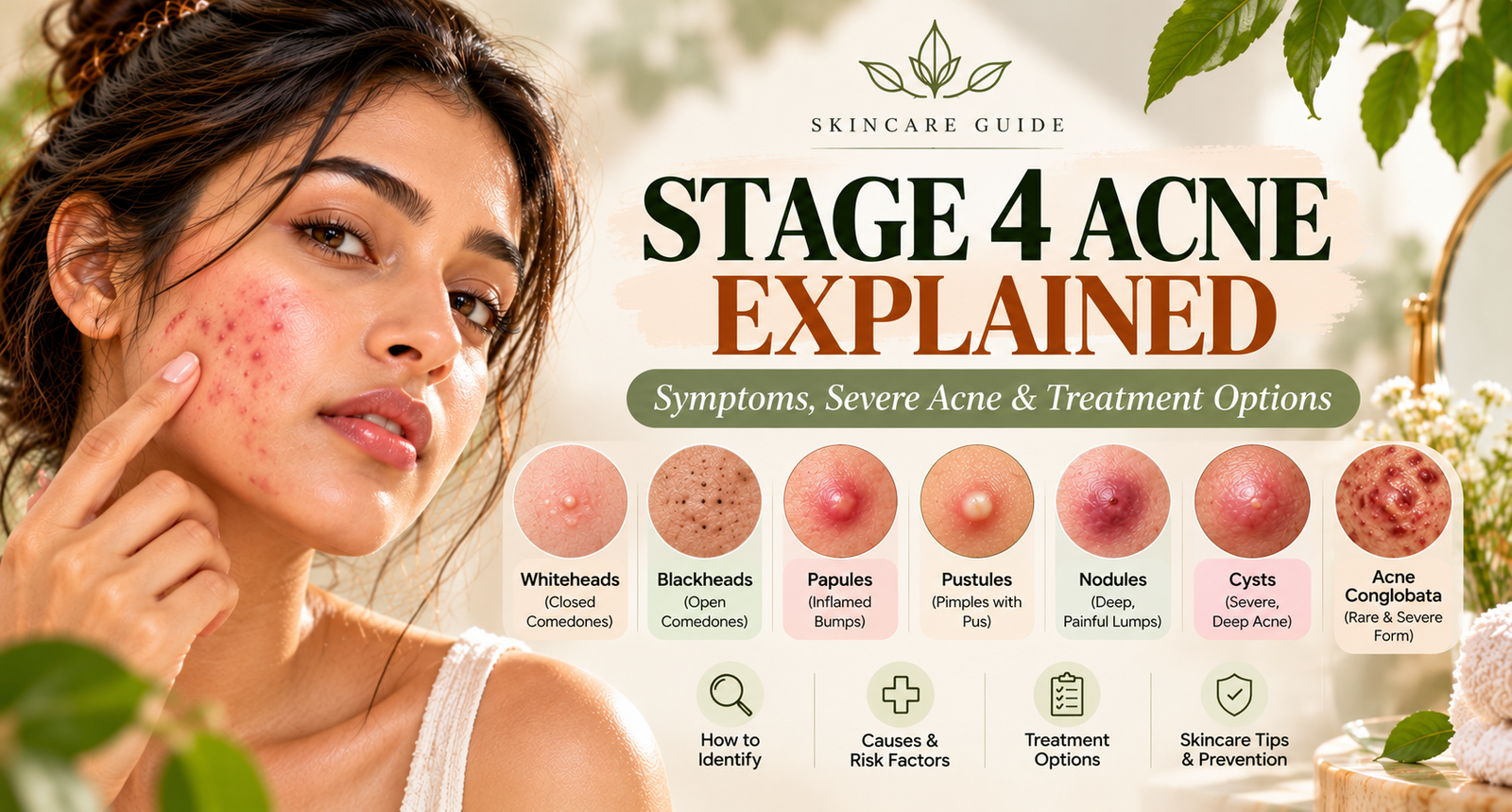
Stage 4 acne generally refers to the most severe end of the acne spectrum in informal online classifications. It may involve extensive inflammatory breakouts, deep nodules, painful cysts and a higher risk of permanent acne scars.
However, stage 4 acne is not a universally recognised medical diagnosis. Acne severity is assessed differently across clinical guidelines, and a dermatologist should evaluate your skin rather than relying on a stage number alone.
Severe acne may involve:
- Deep, painful lumps beneath the skin.
- Large inflamed pimples that take a long time to settle.
- Multiple nodules or cysts appearing together.
- Breakouts across the face, jawline, chest, shoulders or back.
- Persistent inflammation and changes in skin texture.
- Dark marks or depressed scars after breakouts heal.
- Acne that does not improve with basic over-the-counter skincare.
Not everyone with severe acne experiences all these symptoms. A few large pimples do not automatically mean that someone has severe acne. The number, depth, distribution and persistence of the lesions all matter.

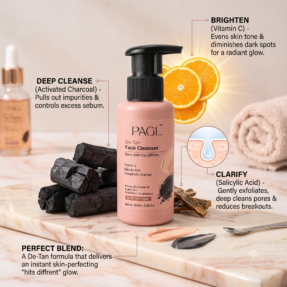
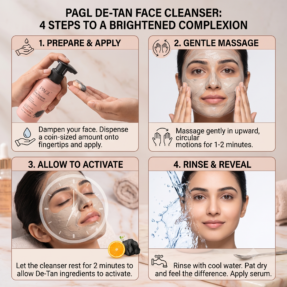
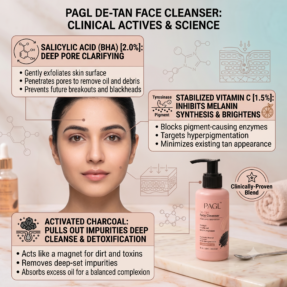
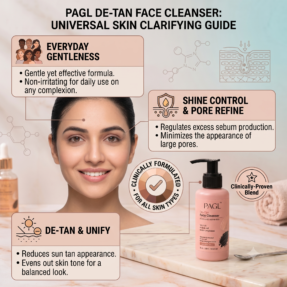

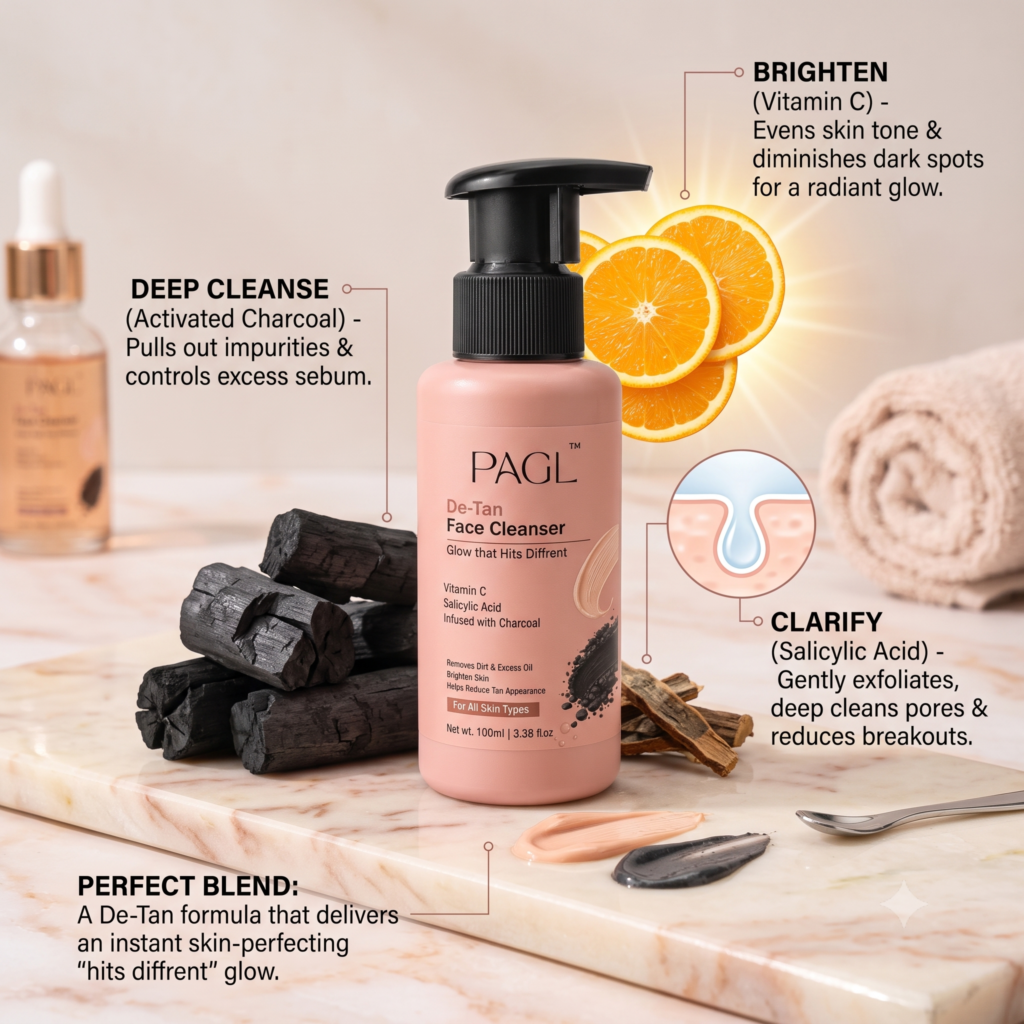
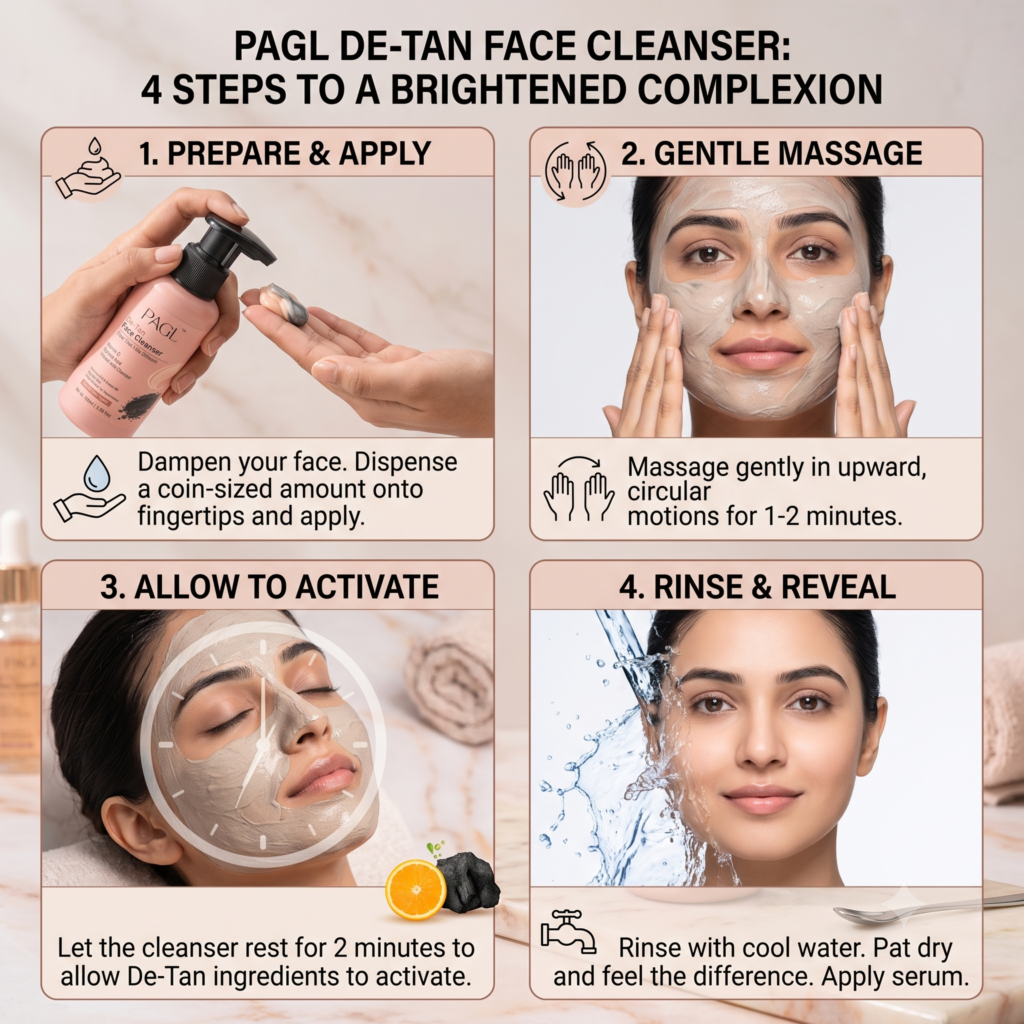
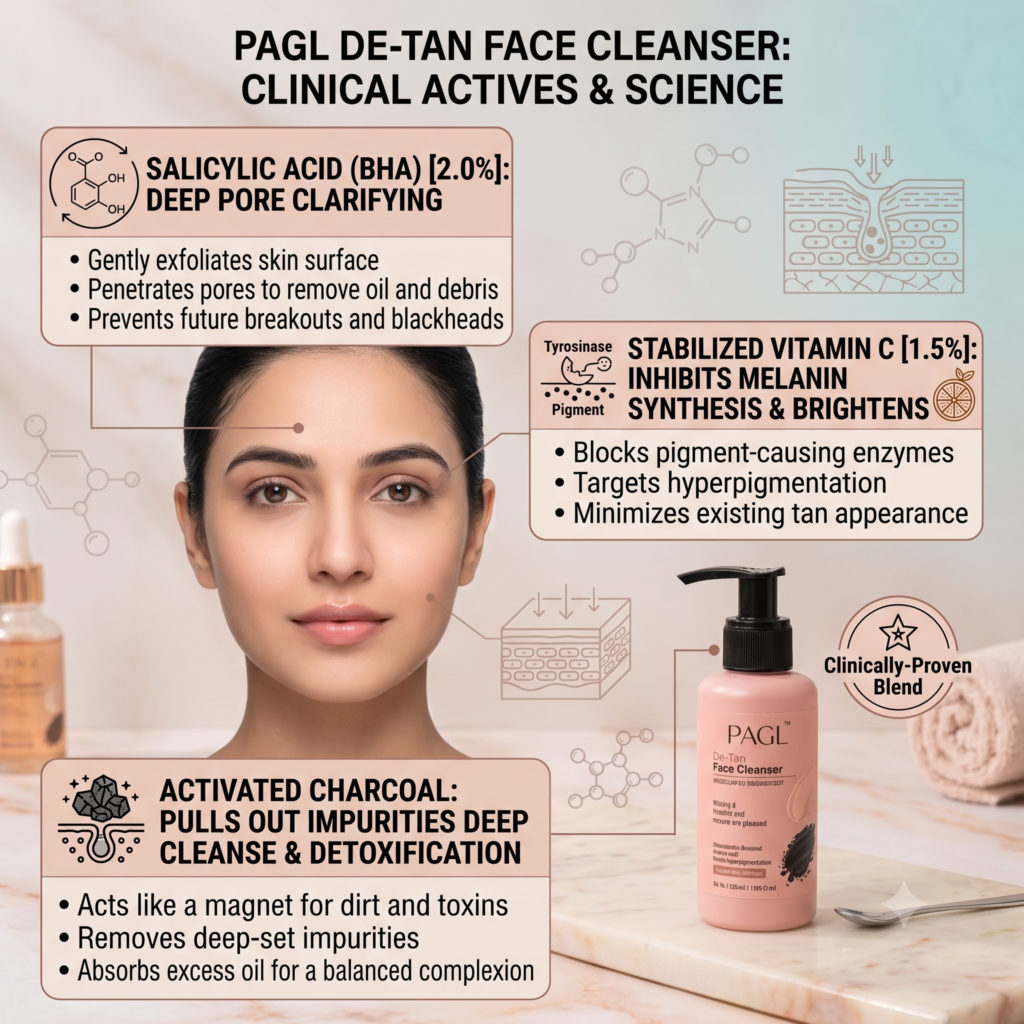
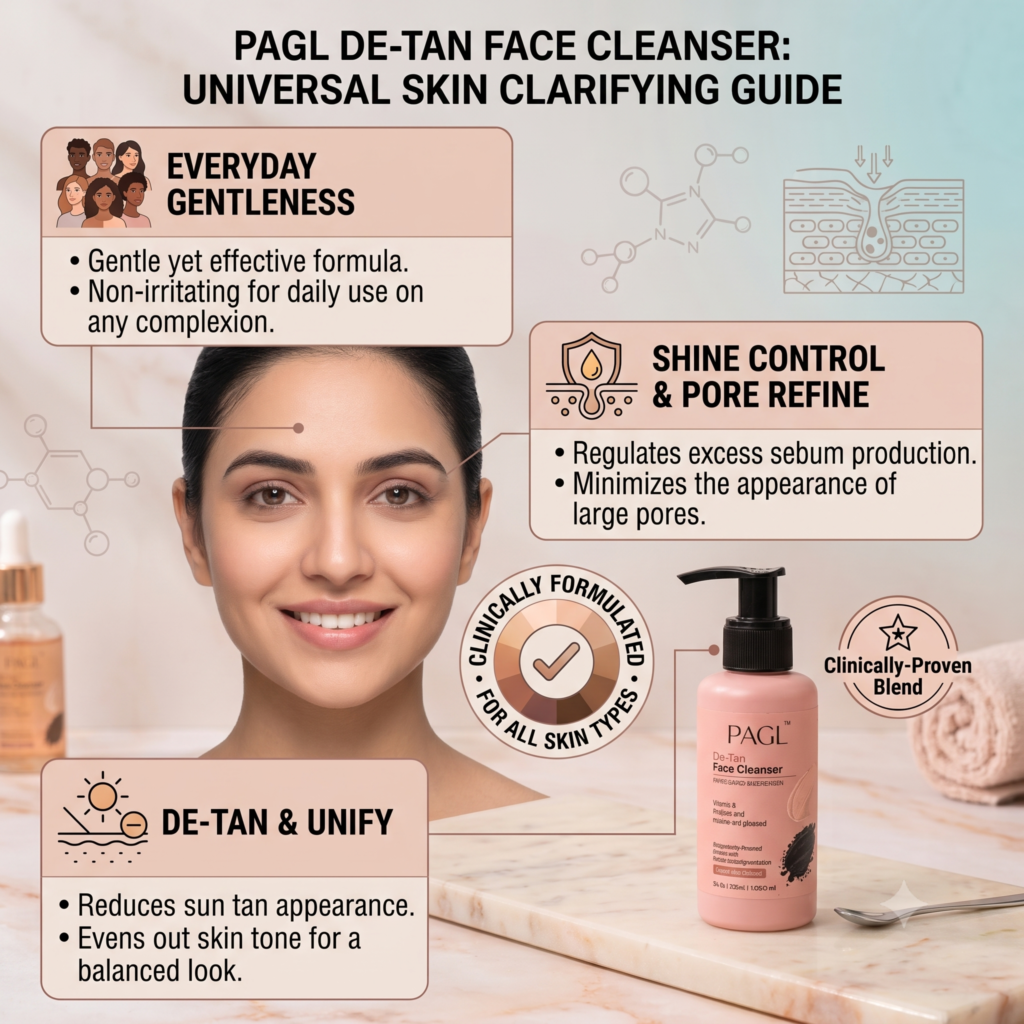
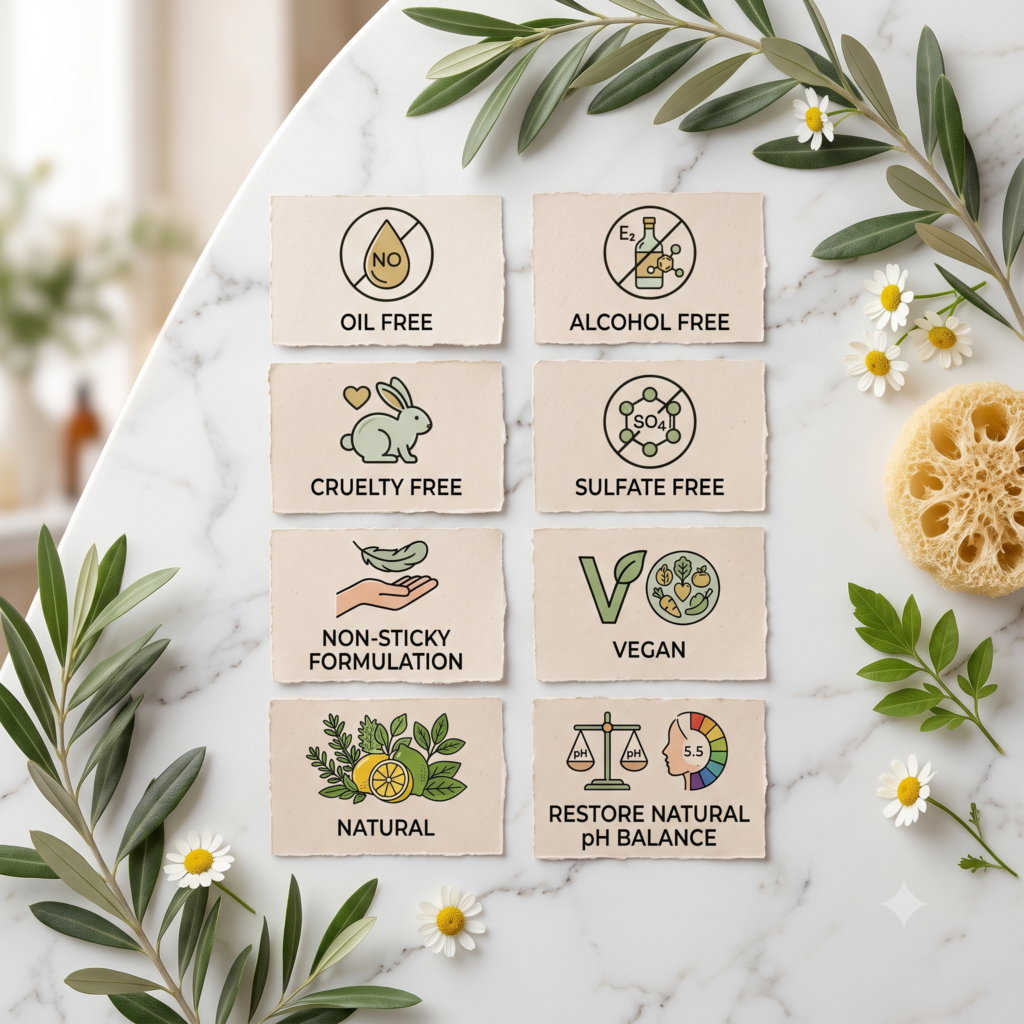
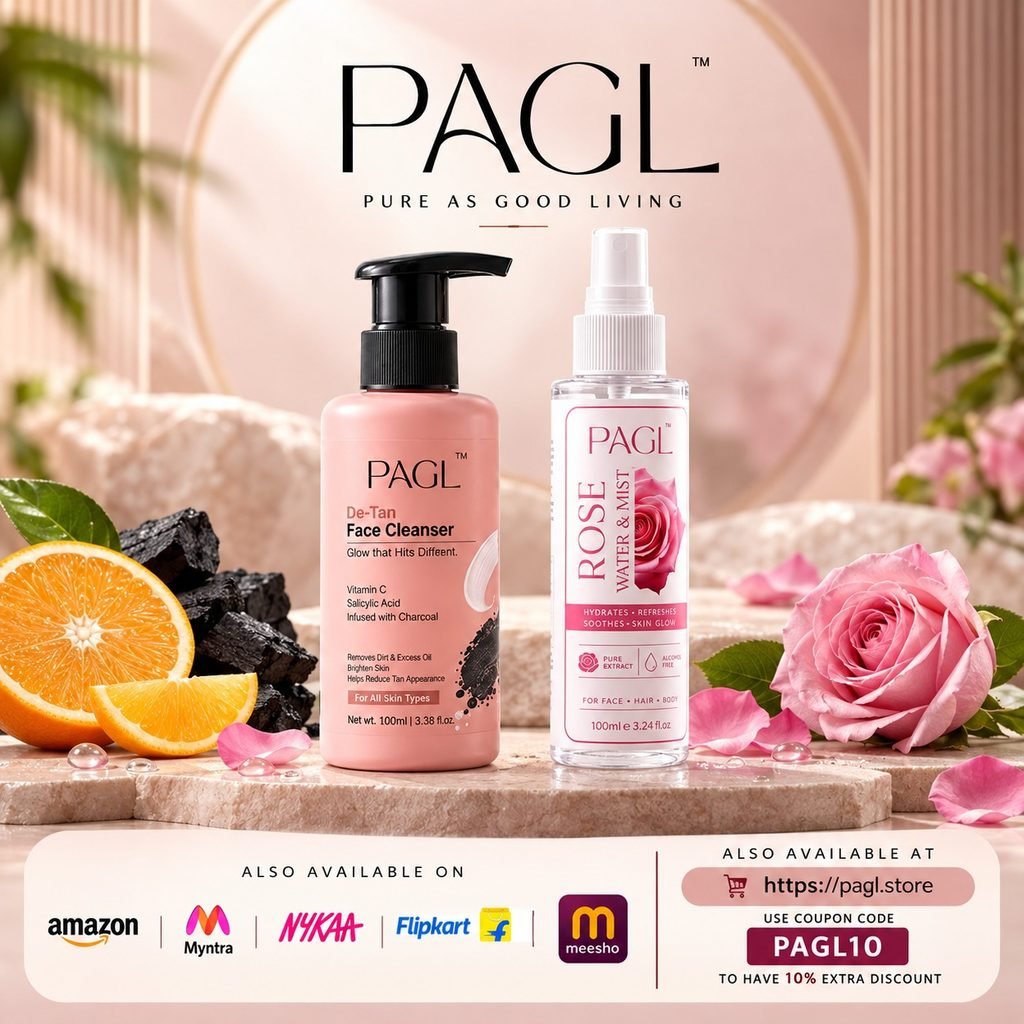
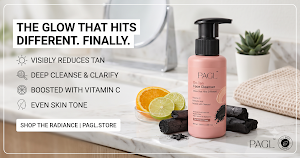
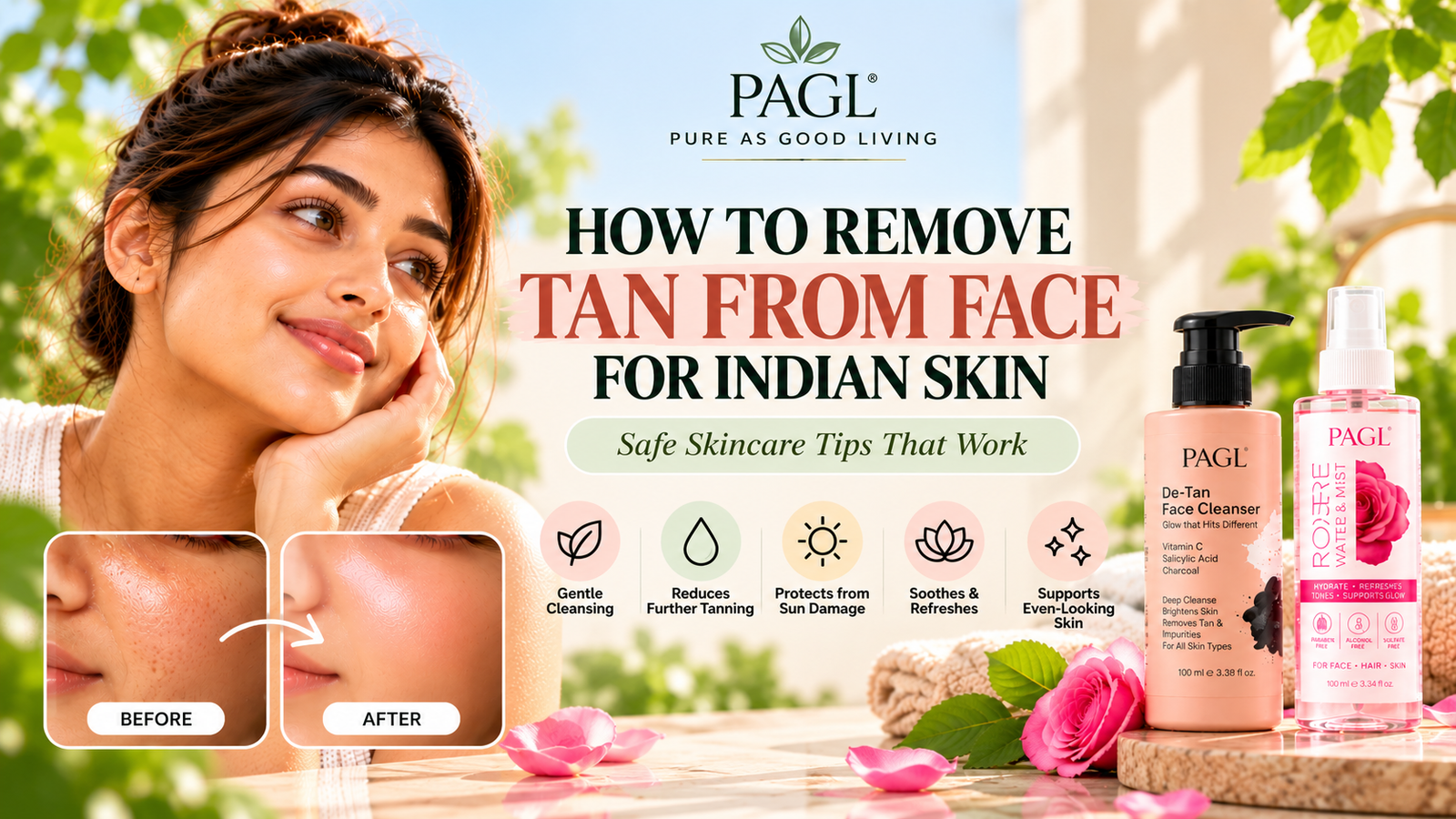
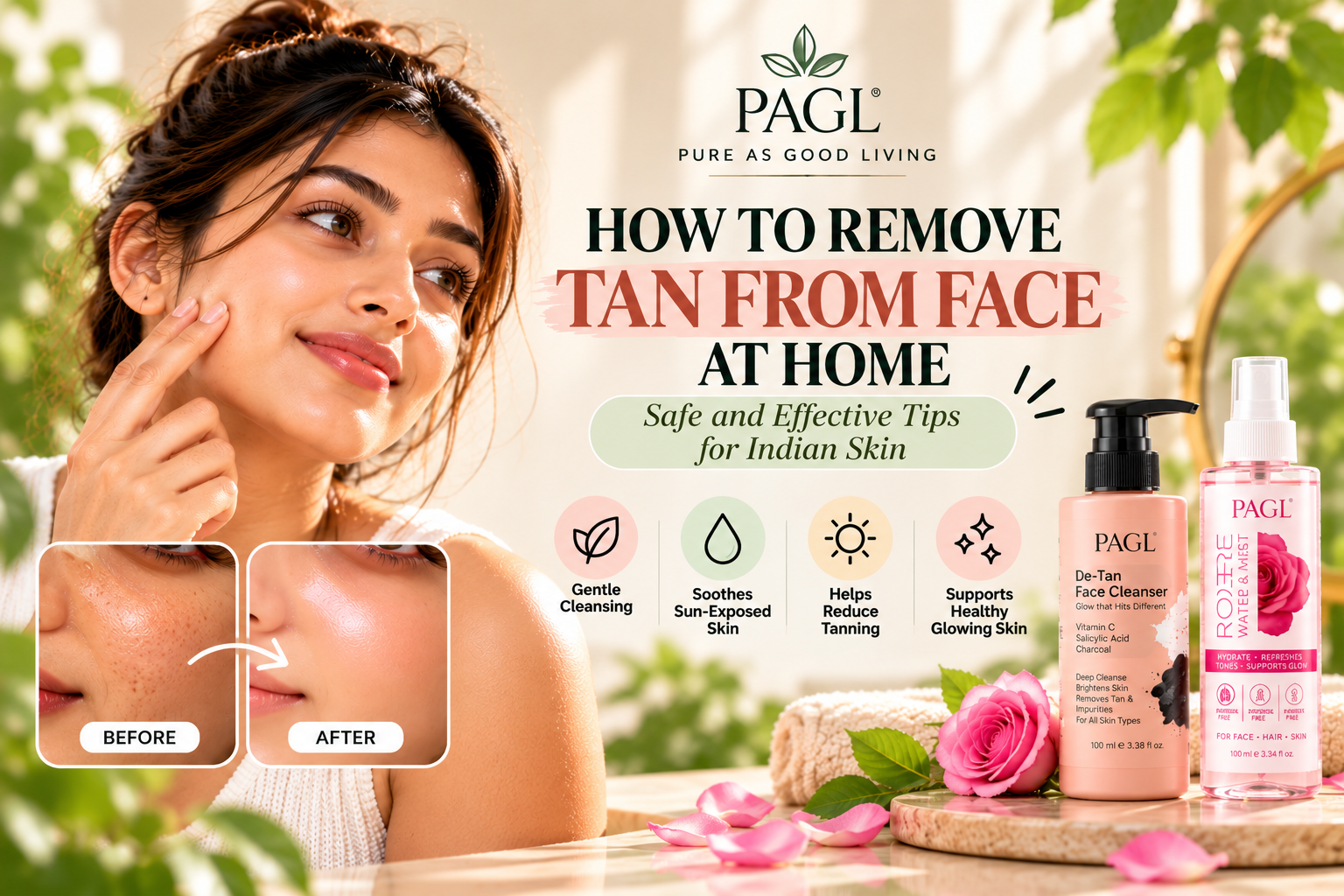
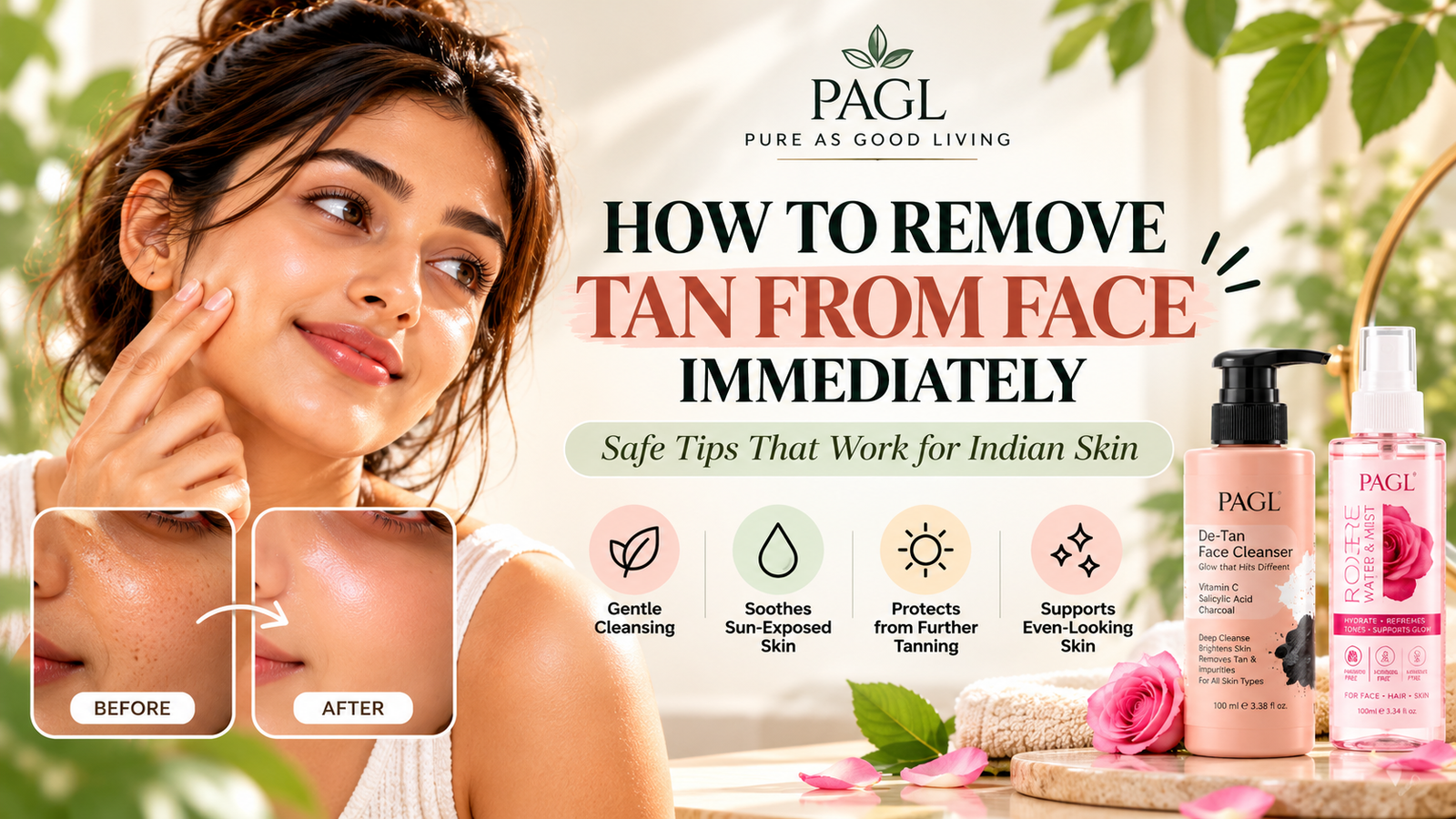
De-Tan Face Cleanser with Vitamin C, Salicylic Acid & Charcoal
De-Tan Face Cleanser helps restore your skin’s natural radiance with every wash. The advanced formula works to brighten skin, improve texture, and leave your face feeling fresh, clean, and revitalized.
What Does Severe Acne Look Like?
Severe acne can appear differently from person to person. The following signs can help you recognise when professional assessment may be necessary.
1. Deep, painful nodules
Nodules are firm, inflamed lumps that develop deep within the skin. They may feel hard or tender and can remain for weeks.
Unlike a small surface-level pimple, a nodule may not develop a visible whitehead. Trying to squeeze it can worsen inflammation and increase the risk of scarring.
2. Large acne cysts
Acne cysts are deep inflammatory lesions that may contain pus. They can be painful, swollen and persistent.
Cysts and nodules can overlap in appearance, so it is not always possible to distinguish them accurately by looking in a mirror. A dermatologist can assess the lesions and recommend suitable treatment.
3. Widespread breakouts
Severe acne is not always limited to the forehead or cheeks. It may also affect the chin, jawline, neck, chest, shoulders and back.
If you regularly experience numerous inflamed spots across multiple areas, it is worth seeking professional advice instead of repeatedly changing face washes.
4. Persistent inflammation
Deep acne lesions may remain inflamed for an extended period. New breakouts can develop before earlier ones have settled, making the skin feel continuously irritated or sore.
This pattern may require prescription treatment rather than a cosmetic skincare routine alone.
5. Acne scars and lasting marks
Severe inflammation can damage the skin and lead to permanent scars. These may appear as depressions, uneven texture or raised scars.
Flat brown, red or dark marks after a pimple are not necessarily permanent scars. They are often post-inflammatory colour changes, which may fade gradually over time.
Early treatment can help reduce the risk of further scarring.
What Causes Severe Acne?
Acne develops when hair follicles become blocked by oil and dead skin cells and inflammation occurs. Several factors can contribute to persistent or severe breakouts.
Excess oil production
Sebaceous glands produce sebum, an oily substance that helps protect the skin. Excess sebum can contribute to blocked pores, particularly when it combines with dead skin cells.
Oily skin does not automatically mean someone will develop severe acne, but excess oil can be one contributing factor.
Hormonal changes
Hormonal changes during puberty can increase oil production. Hormonal influences can also contribute to acne in adults.
Some people notice recurring breakouts around the chin and jawline or at particular times of their menstrual cycle. This pattern may be worth discussing with a dermatologist.
Inflammation and acne-related bacteria
Acne involves inflammation and the activity of Cutibacterium acnes, a bacterium that normally lives on the skin. Changes within blocked follicles can encourage an inflammatory response.
Acne is not simply a sign of a dirty face, and washing repeatedly will not eliminate its underlying causes.
Family history
Genetics can influence the likelihood of developing acne, including deep, inflammatory breakouts. If close family members have experienced severe acne or significant acne scarring, you may have a greater tendency towards similar problems.

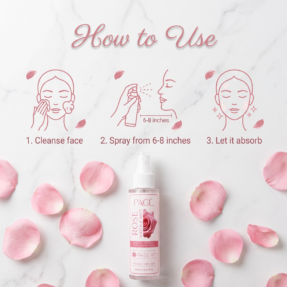
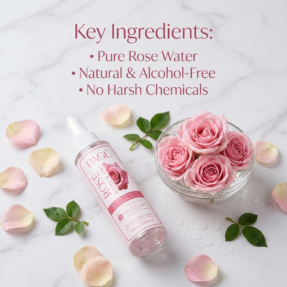
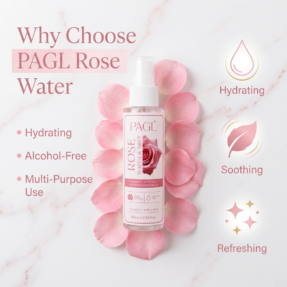
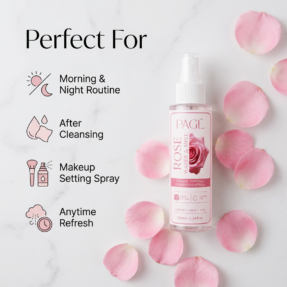


Rose Water Face Mist Spray | Natural Toner for Face, Skin & Hair | Hydrating, Refreshing & Alcohol-Free
Refresh and hydrate your skin with every spray. Alcohol-free rose water for a naturally radiant glow.
Instantly soothe, tone, and revitalize your skin with pure rose water. Perfect for everyday hydration.
Products that clog pores or irritate the skin
Some skincare, makeup and haircare products may contribute to clogged pores in acne-prone individuals. Heavy or unsuitable products can also irritate the skin.
Choose products labelled non-comedogenic when possible, and introduce new products gradually.
Picking or squeezing pimples
Repeatedly squeezing deep lesions can increase inflammation and damage surrounding tissue. This may make existing acne worse and increase the risk of scars.
Keep your hands away from inflamed spots and seek professional help for large, painful lesions.
How Is Stage 4 Acne Different From Mild or Moderate Acne?
The table below describes common patterns, not an official four-stage diagnostic system.
| Feature | Mild acne | Moderate acne | Severe acne |
|---|---|---|---|
| Typical lesions | Blackheads, whiteheads and a few pimples | More inflamed papules and pustules | Deep nodules, cysts or extensive inflammation |
| Pain | Usually minimal | May be tender | Deep lesions can be very painful |
| Areas affected | Often a limited facial area | May involve several facial areas | May affect the face, chest and back |
| Scarring risk | Generally lower | Can occur | Higher, particularly with deep inflammation |
| Treatment | Suitable topical skincare or acne medicines | Often needs a structured acne treatment plan | Frequently requires dermatologist-led treatment |
The appearance of acne alone does not determine the correct treatment. A clinician will also consider how long it has been present, previous treatments, possible side effects and whether scars are developing.
How to Treat Severe Acne
If your acne appears severe, arrange an appointment with a qualified dermatologist. Deep, painful lesions and acne that is leaving scars should not be managed with cosmetic products alone.
Treatment may take several weeks or months, and the plan depends on the type and severity of acne.
1. Prescription topical treatments
A dermatologist may recommend medicines applied directly to the skin.
Depending on your situation, options can include:
- Topical retinoids, which help prevent clogged follicles.
- Benzoyl peroxide, which helps reduce acne-related bacteria and inflammation.
- Azelaic acid, which can help with acne and post-inflammatory pigmentation.
- Prescription combinations designed to target more than one acne mechanism.
These treatments can cause dryness, irritation or other side effects. Follow the prescribed directions and ask your clinician how to introduce them safely.
Do not combine multiple strong acne products without professional advice.
2. Oral medicines
For moderate to severe acne, a dermatologist may consider oral medication alongside topical treatment.
Possible options include oral antibiotics for selected patients, hormonal treatments for appropriate candidates and oral isotretinoin for certain forms of severe or treatment-resistant acne.
These medicines are not suitable for everyone. Oral isotretinoin, in particular, requires specialist supervision and careful safety monitoring. It can cause serious birth defects if taken during pregnancy.
Never start prescription acne medicines, antibiotics or hormonal medication without medical advice.
3. Treatment for large, painful lesions
A dermatologist may use a medical procedure or an injection to reduce the size and pain of a particularly inflamed lesion.
Do not attempt to drain or cut open an acne cyst at home. Doing so can increase the risk of infection, tissue damage and scarring.
4. Treatment for acne scars
If acne has already caused scars, your dermatologist may discuss options once the active acne is controlled.
Depending on the scar type and your skin, treatments may include selected procedures such as microneedling, chemical peels, laser treatments or other scar-focused interventions.
Not every procedure suits every skin tone or scar type. People with darker skin tones may be more prone to post-inflammatory pigmentation after irritation or certain procedures, so individual assessment is important.
5. Maintenance treatment
Once severe acne improves, a maintenance plan can help prevent new breakouts.
Your dermatologist may recommend continuing an appropriate topical medicine, using gentle skincare and reviewing treatment periodically. Do not stop prescribed medication or change its frequency without discussing it with your clinician.
A Simple Skincare Routine for Acne-Prone Skin
Skincare can support medical treatment, but it cannot replace specialist care for severe nodular or cystic acne.
Morning routine
Step 1: Cleanse gently. Use a mild cleanser that removes excess oil, sweat and daily impurities without leaving your skin tight or uncomfortable.
If you use a cleanser such as the PAGL De-Tan Face Cleanser with Vitamin C, Salicylic Acid and Charcoal, check whether its formulation suits your skin and your current acne treatment. Salicylic acid can irritate some skin, particularly when combined with prescription acne medicines. Stop using it if it causes persistent burning or irritation.
A cosmetic cleanser should not be considered a treatment for severe acne.
Step 2: Apply moisturiser. Choose a lightweight, non-comedogenic moisturiser to help support the skin barrier. Oily and acne-prone skin can still become dehydrated.
Step 3: Apply sunscreen. Use broad-spectrum SPF 30 or higher and reapply as directed, particularly when spending time outdoors. Sunscreen helps protect against UV damage and can help prevent post-acne marks from becoming darker.
Evening routine
Step 1: Cleanse gently. Remove sunscreen, makeup, sweat and surface impurities without scrubbing.
Step 2: Use prescribed acne treatment. Apply your dermatologist-recommended medicine according to the instructions. Avoid adding several new active ingredients at once.
Step 3: Moisturise. Use a moisturiser that feels comfortable and does not irritate your skin.
If your skin is sensitive, simplify your routine until irritation settles and ask your dermatologist which products you should continue using.
Is a face mist necessary for severe acne?
A face mist is an optional skincare step, not an acne treatment. A product such as the PAGL Rose Water Face Mist may be used for refreshing the skin if its ingredients suit you, but it should not be expected to clear nodules, cysts or severe inflammation.
Patch-test new products and discontinue use if you experience irritation.
Skincare Mistakes to Avoid When You Have Severe Acne
When breakouts are persistent, trying more products is not always the answer. Some common habits can make irritated skin feel worse.

Over-washing your face
Washing repeatedly throughout the day can strip the skin and increase irritation. Cleanse gently, generally in the morning and evening and after heavy sweating when needed.
Using harsh scrubs
Scrubs, rough brushes and aggressive exfoliation can aggravate inflamed skin. Avoid scrubbing over painful pimples or cysts.
Applying too many active ingredients
Using salicylic acid, retinoids, benzoyl peroxide and exfoliating acids together without a plan can cause excessive dryness and irritation.
Follow a structured routine rather than introducing everything at once.
Trying to pop deep pimples
Squeezing cysts and nodules can worsen inflammation and increase the chance of scars. Leave deep lesions alone and ask a dermatologist about suitable treatment.
Depending on home remedies
Lemon juice, toothpaste, baking soda and undiluted essential oils are not proven treatments for severe acne and can irritate or damage the skin.
Natural does not automatically mean safe for inflamed or sensitive skin.
Expecting overnight results
Acne treatment usually takes time. Many treatment plans need several weeks to show improvement, and severe acne may need a longer course with professional monitoring.
If your skin is getting worse or scars are appearing, do not wait for a cosmetic routine to work.
When Should You See a Dermatologist?
Arrange a dermatology consultation if you notice:
- Deep, painful nodules or cysts.
- Acne that is spreading across your face, chest or back.
- New scars or persistent changes in skin texture.
- Acne that does not improve with appropriate treatment.
- Repeated flare-ups despite a consistent routine.
- Significant distress or reduced confidence because of your skin.
Seek urgent medical assessment if severe acne is accompanied by fever, joint pain or feeling generally unwell, particularly if the skin changes develop suddenly. These symptoms may indicate a more serious inflammatory condition.
Acne can affect emotional wellbeing as well as physical skin health. If it is making you avoid social situations or causing significant distress, tell your healthcare professional. You deserve support for both the skin condition and its impact on daily life.
Can Severe Acne Be Prevented?
There is no guaranteed way to prevent every acne breakout, especially when hormones and genetics play a role. However, a consistent routine and early treatment may help reduce the risk of worsening acne.
Consider these habits:
- Cleanse gently instead of scrubbing.
- Choose non-comedogenic skincare and makeup when possible.
- Avoid picking, squeezing or repeatedly touching pimples.
- Use sunscreen to protect skin from UV damage.
- Introduce active ingredients gradually.
- Follow your prescribed treatment consistently.
- Seek help early if deep lesions or scars appear.
Diet, stress and lifestyle can influence acne for some people, but there is no single food or habit that explains every case. Avoid restrictive diets or unproven detox methods as a substitute for evidence-based treatment.
Final Thoughts
So, what is stage 4 acne? The phrase is commonly used to describe very severe acne, but it is not a universally standardised medical stage. Deep nodules, painful cysts, widespread inflammation and scarring are signs that professional assessment is important.
A gentle skincare routine can support treatment, but severe acne often needs prescription medication and dermatologist supervision. Avoid squeezing lesions, using harsh home remedies or relying on cosmetic cleansers and face mists to treat deep inflammation.
With an appropriate treatment plan, many people can achieve significant improvement and reduce the risk of new scars. The best next step is to identify the severity of your acne with a qualified professional and follow a routine suited to your skin.
Frequently Asked Questions
1. What is stage 4 acne?
Stage 4 acne is an informal term often used online for very severe acne. It may describe deep nodules, cysts, widespread inflammation and a high risk of scarring. However, there is no universally accepted four-stage acne classification used by all dermatologists.
2. Is stage 4 acne curable?
Severe acne can often be brought under control with appropriate treatment, although results vary by person. Some people need prescription medicines and ongoing maintenance treatment. Early medical care can help reduce the risk of permanent scarring.
3. What does stage 4 acne look like?
It may involve multiple deep, painful nodules or cysts, widespread inflamed pimples and breakouts across the face, chest or back. Scars may develop as lesions heal. A dermatologist can confirm the type and severity of acne.
4. What is the best treatment for severe acne?
There is no single best treatment for everyone. Depending on the case, a dermatologist may prescribe topical medicines, oral medication or other treatments. Deep, painful or scarring acne should be assessed professionally rather than treated with cosmetic skincare alone.
5. Can a face wash cure stage 4 acne?
No ordinary cosmetic face wash should be relied on to cure severe acne. A suitable cleanser can help remove oil, sweat and impurities, but deep nodules and cysts often need prescription treatment.
6. Should I exfoliate if I have severe acne?
Avoid harsh scrubs and excessive exfoliation, which can irritate inflamed skin. If you are using prescription acne medication, ask your dermatologist before adding exfoliating acids or other active ingredients.
7. Can severe acne leave permanent scars?
Yes. Deep inflammation can damage the skin and cause permanent scars. Early treatment can reduce the risk of additional scarring. Flat dark marks are different from indented or raised scars and may fade over time.
8. How long does severe acne treatment take?
Improvement usually takes weeks rather than days, and severe acne may require several months of treatment. The timeline depends on the medication, severity and individual response. Follow-up appointments help your dermatologist assess progress and manage side effects.
9. Is severe acne caused by poor hygiene?
No. Acne is influenced by blocked follicles, oil production, inflammation, hormones and genetics. Washing too frequently or scrubbing aggressively can irritate the skin and make it feel worse.
10. Can I use rose water or a de-tan cleanser for severe acne?
A rose water face mist may be an optional refreshing step if your skin tolerates it. A de-tan cleanser may help with cleansing, depending on its formulation, but neither should replace medical treatment for severe acne. Stop any product that causes persistent irritation and consult a dermatologist for deep or painful breakouts.












Leave a Reply